27-year study finds river otters thriving at Arcata Marsh
Otters were seen nearly every day in a 27-year Arcata Marsh study, showing the city’s wastewater wetlands had become prime habitat.

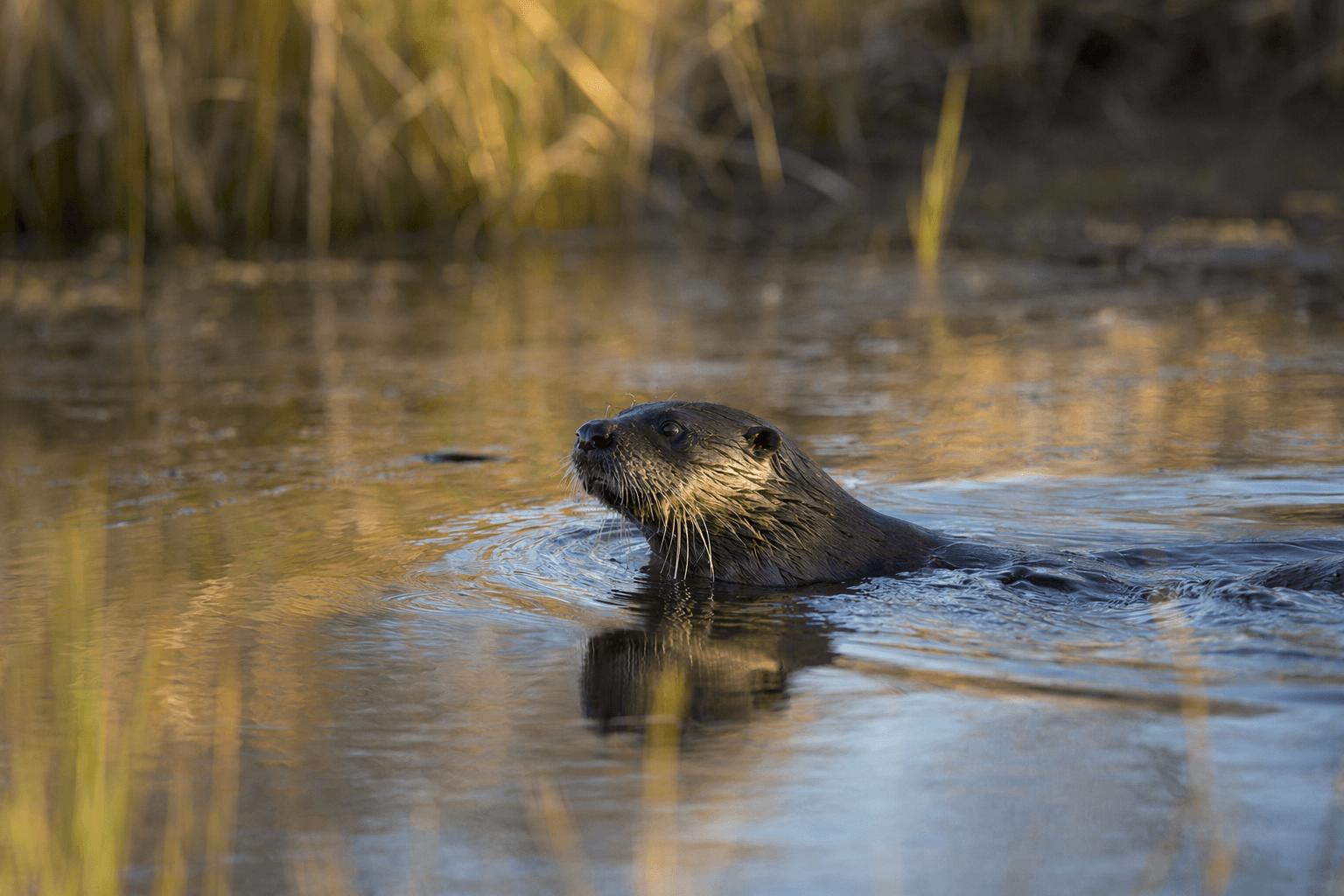
River otters did more than survive at the Arcata Marsh and Wildlife Sanctuary. Over 27 years, Cal Poly Humboldt professor Jeff Black and community volunteers found they were there nearly every day, using Arcata’s wastewater wetlands to hunt, raise pups, rest, socialize and travel.
The long-running study showed a marsh built as public infrastructure had become a dependable wildlife system as well. Otters were not eating fish alone. Waterbirds such as ducks, coots and grebes made up a significant part of their diet for much of the year, and the animals used different hunting tactics, including repeated dives and ambushes in thick vegetation.
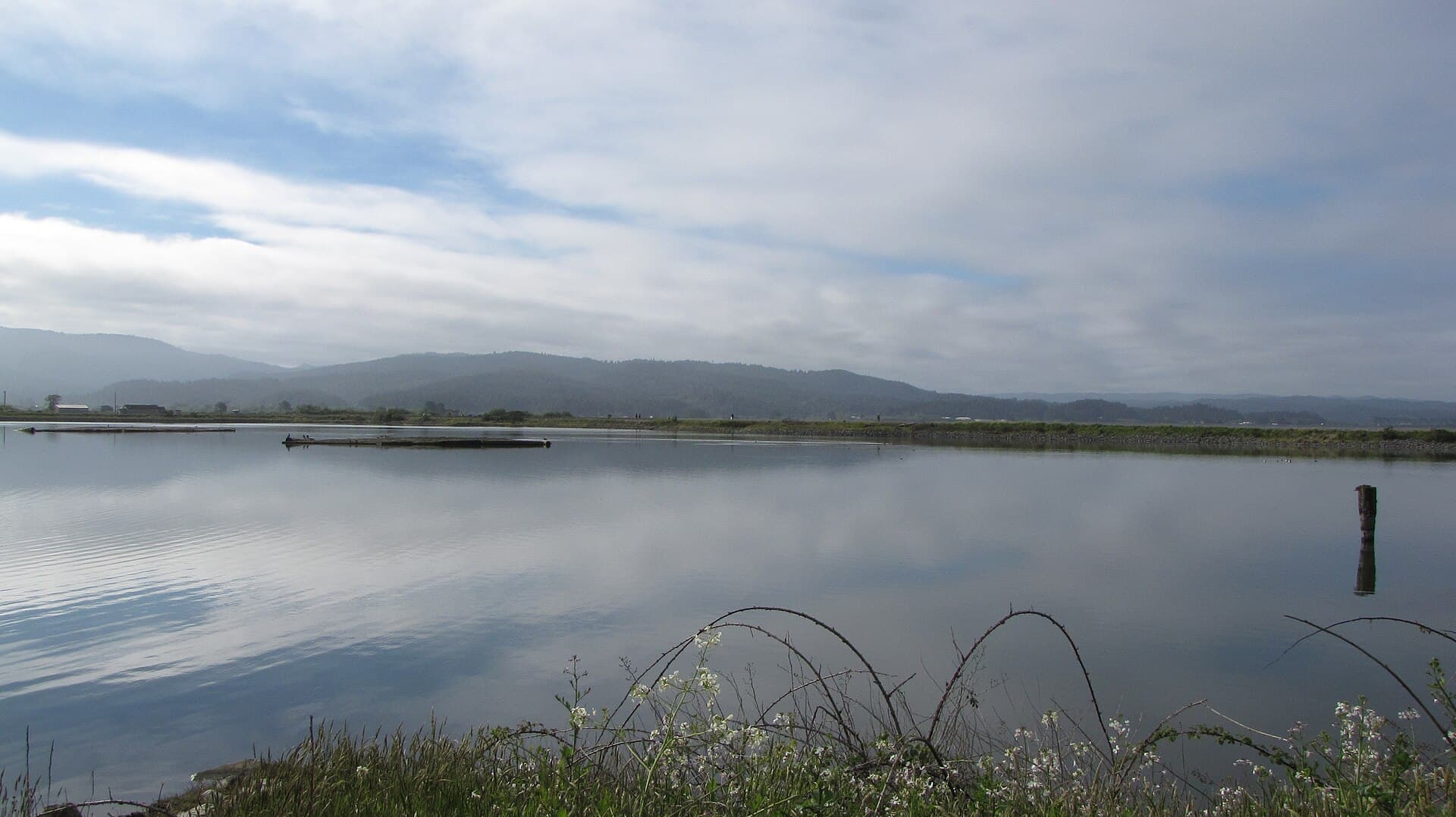
That matters in Arcata because the marsh is not just open space. The 307-acre site is part of the City of Arcata’s wastewater treatment system for a population of about 16,000, with about 5 miles of walking and biking paths, freshwater marshes, salt marsh, tidal sloughs, grassy uplands, mudflats, brackish marsh and an interpretive center. City officials have long described the sanctuary as a place where conventional wastewater treatment works alongside constructed wetlands.
The site’s evolution stretches back decades. In 1983, the State Water Resources Control Board permitted Arcata to upgrade its wastewater treatment plant, including wetland treatment enhancement units. Three years later, the Butcher’s Slough Wetlands Restoration Project expanded the marsh to 154 acres, and the Arcata Marsh Interpretive Center opened in 1993. The land between Humboldt Bay and the forested hillsides had once been marshland, and the Arcata Prairie, known as Goal-la-nah, had been home to several Wiyot villages before later uses as landfill and industrial ground gave way to restoration.
Black said the findings showed thoughtfully designed or restored wetlands could support both people and wildlife, a conclusion with direct implications for how Arcata protects the marsh, plans future maintenance and weighs public investment in habitat management. The sanctuary’s steady draw for wildlife also strengthens its value as a local destination, bringing visitors to a site that doubles as working infrastructure and one of the North Coast’s most visible examples of environmental repair.
The project also grew a community of observers. Volunteers known as otter spotters helped collect sightings over the years, and that public participation inspired the North Coast Otter Public Arts Initiative, which placed artist-designed otter sculptures across the region and helped fund four graduate student research projects at Cal Poly Humboldt focused on wildlife and conservation. Three of those students have graduated and now work in the field, and a fourth was expected to finish this spring.
The River Otter Ecology Project continues to take sightings, keeping the community-based monitoring alive as Arcata decides how to manage one of Humboldt County’s most closely watched public landscapes.
This article was produced by Prism’s automated news system from verified source data, official records, and press releases, then run through automated quality and moderation checks before publishing. The system is built and supervised by the people who set the standards it runs under. Read our full AI policy.
Did this article answer your question?