Appeals court upholds salmon protections in Klamath River case
A Ninth Circuit ruling keeps Klamath water limits in place for salmon and suckers, preserving recovery gains that Humboldt County tribes are still building on.
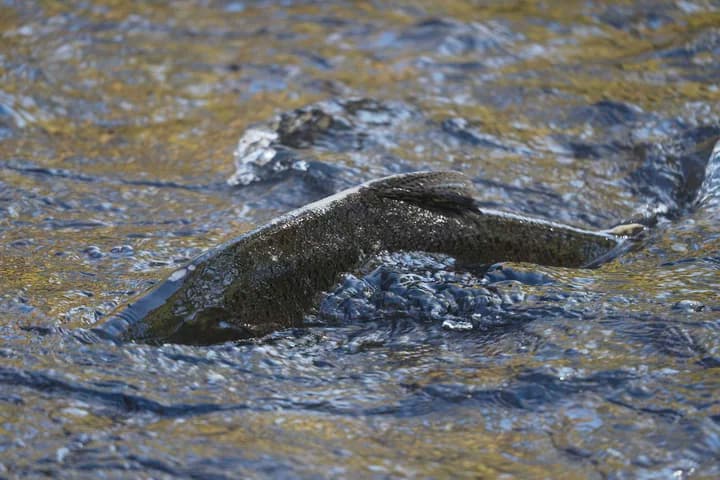
The U.S. Court of Appeals for the Ninth Circuit issued its ruling June 17 in San Francisco, keeping Endangered Species Act protections in place for Klamath River salmon. The 2-1 decision by Judges Mary M. Schroeder and Ronald M. Gould, with Judge Ryan D. Nelson dissenting, affirms that the law applies to the Bureau of Reclamation’s operation of the Klamath Project.
The court held that Section 7(a)(2) of the Endangered Species Act covers the project’s day-to-day operation, not just a one-time federal approval. The Klamath Project is the federal water system that supplies irrigation water and refuge deliveries across Northern California and Southern Oregon. The Bureau had already consulted with the National Marine Fisheries Service and the U.S. Fish and Wildlife Service after two endangered sucker species were listed and several critically dry years hit the basin. Those consultations required the agency to keep water in Upper Klamath Lake and maintain minimum flows in the Klamath River.

For tribes on the lower river, including the Yurok Tribe and the Hoopa Valley Tribe in Humboldt County, the ruling keeps the water protections tied to fish recovery work that is still underway after the 2024 dam removals. Four dams came out in October 2024, the largest dam-removal project in history, and 420 miles of river and tributaries reopened to fish passage. Even so, two dams remain in the upper basin, Keno and Link River.
Spring chinook have returned to parts of the upper Klamath Basin for the first time since the early 1900s. Federal funding for many planned habitat restoration projects is frozen, and tribes have warned that elevated parasite pressure and dry conditions remain major threats to salmon and sucker recovery.
The Klamath Water Users Association said it was disappointed and argued that longstanding delivery contracts, some more than 100 years old, should not trigger ESA consultation because the deliveries are nondiscretionary. The group said the project serves more than 1,200 family farms and ranches and irrigates more than 170,000 acres, and it is considering next steps, including possible further judicial review.
This article was produced by Prism’s automated news system from verified source data, official records, and press releases, then run through automated quality and moderation checks before publishing. The system is built and supervised by the people who set the standards it runs under. Read our full AI policy.
Did this article answer your question?