Arcata Council Approves Gradual Five-Year Water Rate Increases, Reviews AFD/APD Statistics
The Arcata City Council approved a gradual five-year water-rate increase plan to spread costs over time; residents will see smaller immediate hikes but higher per-unit rates by 2030.
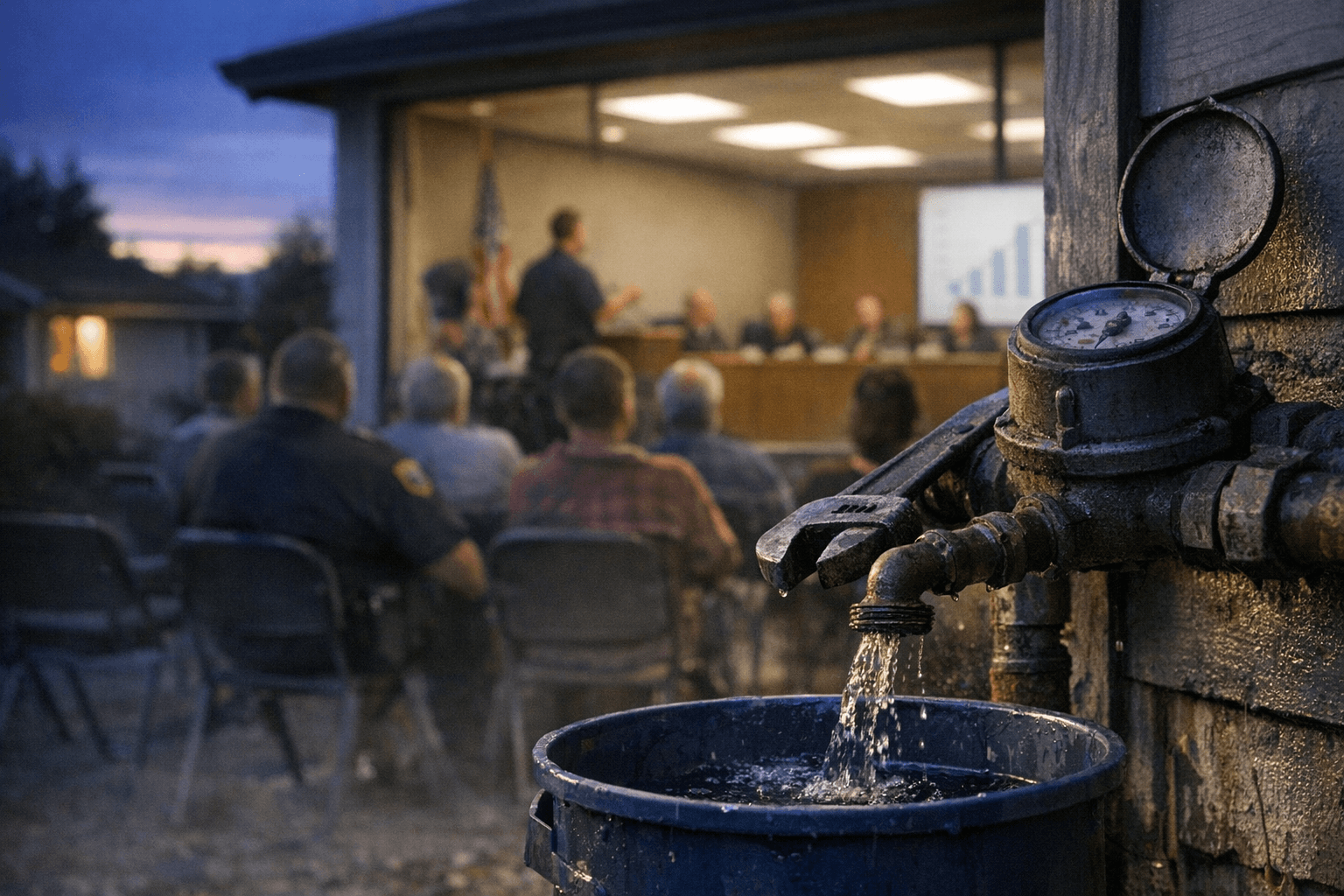
The Arcata City Council voted to pursue a gradual five-year schedule of water-rate increases, choosing the milder option staff recommended that spreads increases over five years. The decision aims to soften the immediate financial impact for households while raising the per-unit price of water slightly more by the end of the plan.
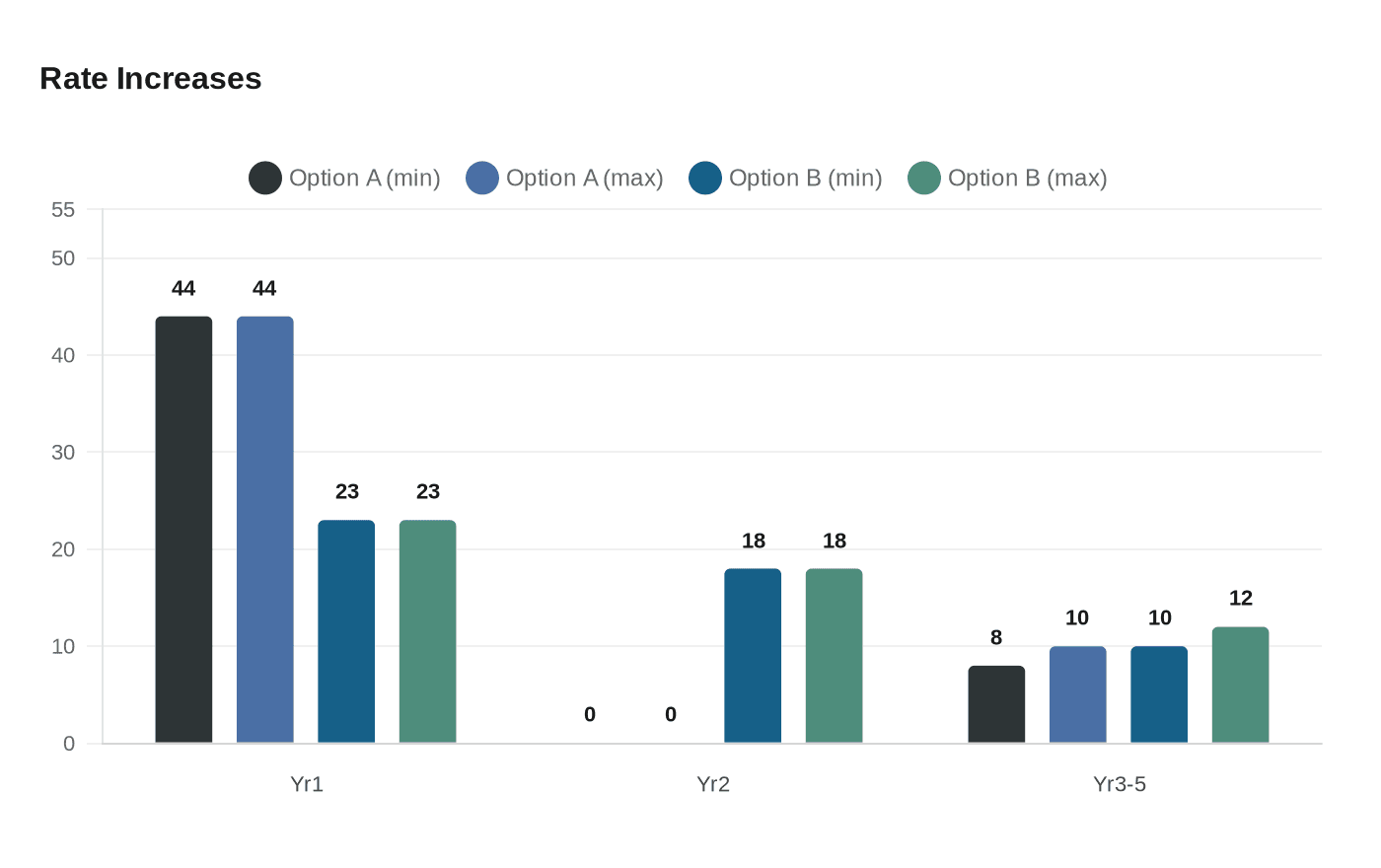
City staff presented two consultant-recommended strategies. Option A, the front-loaded plan, called for a 44% increase in 2026, no increase in year two, and 8–10% annual increases for the next three years, ending at $13.50 per hundred cubic feet (HCF). Option B, the gradual plan chosen by council, proposed roughly a 23% increase in year one, an 18% increase in year two, and 10–12% annual increases in years three through five, ending at $14.12 per HCF. City staff recommended the gradual option and council concurred; Councilmember Stacy Atkins-Salazar dissented, described as doing so because it “would mean a slightly larger cost for residents at the end of a five-year period.”
The council discussion emphasized household impacts and public safety infrastructure. Mayor Kimberley White framed the choice in terms of household budgets: “We have people on fixed incomes, and that difference could make the difference of whether they can eat that month or not. And I don’t want that water bill to be the defining factor,” she said. Councilmember Sarah Shafer argued the increases should be spread out because “it would be more equitable for people living short-term in the city, like students, to have the increases spread out.” Councilmember Miller noted emergency use and existing capacity, saying, “It’s important to remember that approximately 2 million gallons of water was used to fight that fire, and it was critical to the success, but it was based on infrastructure that’s in place,” pointing to a newly built tank that was full with a million gallons of water.
The vote follows a rate study the city commissioned from Bartle Wells Associates. The study and staff materials estimate about $36 million in infrastructure investment over the next five years, including a steel line water replacement project and payments for water tanks and water lines. City materials say the proposed schedule reflects a significant increase to water rates while delaying more moderate increases to wastewater rates, and that wastewater currently accounts for about two-thirds of the average customer’s bill.
Under current rates the average single-family household pays $136.93 monthly for combined water and wastewater. The city projects that average bill would be $145.81 in 2030 if the increases take effect. The city also plans to change wastewater billing to a flat fee for single- and multi-family homes, a shift officials say “will be cheaper for many customers” and blunt the impact of climbing water rates for some households.
The rate-setting process is governed by Proposition 218 and includes public outreach and formal protest rights. An Open House informational meeting is scheduled for Feb. 25, 2026, at 5:30 p.m. at the D Street Neighborhood Center, 1301 D Street. The Public Hearing on proposed water and wastewater rate increases will be April 15, 2026, at 6:00 p.m. at Arcata City Hall, 736 F Street. Written protests must be mailed to or hand-delivered to the City Clerk and be received before the close of the Public Hearing to be counted; protests or comments submitted by e-mail, fax or other electronic means are not counted as written protests. One written protest will be counted for each parcel that is mandated to comply with the proposed rates. If there is a majority protest filed from affected properties, the proposed rate changes cannot be imposed. The city cites California Government Code 53759, noting a 120-day statute of limitations for challenging new, increased, or extended fees.
The council had previously delayed a vote because of the federal government shutdown. Dezmond Remington’s meeting coverage referenced AFD and APD statistics being part of the same council agenda; however, the materials provided to this reporter did not include any AFD/APD statistical figures. Residents concerned about bill impacts or the capital program can review the city’s rate study materials, attend the open house or the April public hearing, and, if eligible, file written protests in accordance with Prop 218 procedures.
This article was produced by Prism’s automated news system from verified source data, official records, and press releases, then run through automated quality and moderation checks before publishing. The system is built and supervised by the people who set the standards it runs under. Read our full AI policy.
Did this article answer your question?