Arcata Marsh a Vital Wetlands Park for Health and Learning
Arcata Marsh & Wildlife Sanctuary is a year-round public space that combines treated-wastewater wetlands, wildlife habitat and a network of trails used by birders, walkers, cyclists and school groups. The site supports recreation and environmental education while raising public health and equity questions about safe access, habitat protection and community benefits.
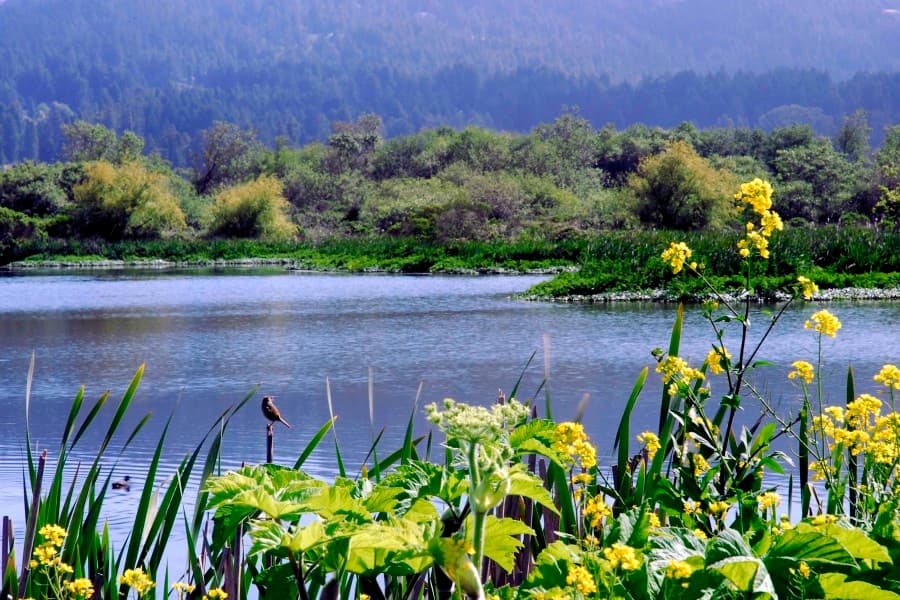
Arcata Marsh & Wildlife Sanctuary serves multiple roles for Humboldt County residents. The site combines treated-wastewater wetlands with wildlife habitat, interpretive trails, observation platforms and regular guided walks and educational programs. Its open spaces attract birders, walkers, cyclists and school groups and function as a valued outdoor classroom and neighborhood park.
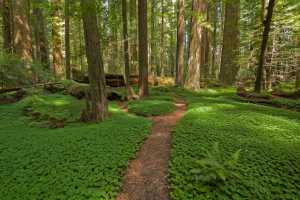
The marsh’s dual status as a working wastewater treatment facility and a public sanctuary carries specific public health implications. Constructed wetlands reduce pollutants and support wildlife, but visitors should avoid direct contact with marsh water. During heavy winter rains, trail conditions can become muddy and slippery, increasing the risk of falls and incidental contact with wet soils. Visitors are advised to check trail conditions before visiting, to take care on wet surfaces, and to supervise young children and those with compromised immune systems when near water or saturated areas.
Spring brings another set of concerns tied to local ecology. The marsh provides important resting and nesting habitat for shorebirds. Posted protections are in place during nesting seasons to reduce disturbance and protect sensitive species. Respecting these protections helps sustain bird populations that support biodiversity and the region’s birding community, and reduces the need for future restrictions that could limit public access.
Beyond safety and conservation, Arcata Marsh is a public-health resource. Access to green space supports mental and physical wellbeing, provides low-cost recreation, and offers hands-on environmental education for school groups. Ensuring that these benefits reach all community members requires attention to transportation, accessibility and program outreach so that low-income residents, seniors and people with disabilities can participate.

Practical guidance for local residents includes using the main parking areas near the Arcata Marsh Interpretive Center, checking trail conditions for muddy sections during heavy winter rains and observing posted habitat protections, especially during spring nesting periods. For event schedules, guided tours and volunteer opportunities, consult the Friends of the Arcata Marsh website or the City of Arcata parks calendar.
The marsh illustrates a broader policy tension between public use and environmental stewardship. Maintaining safe, equitable access while protecting wildlife and the engineered systems that treat wastewater will require continued investment in trail maintenance, interpretive programming and outreach to underserved communities. For Humboldt County, Arcata Marsh remains both a community asset and a reminder that public health, environmental protection and social equity are interdependent priorities.
This article was produced by Prism’s automated news system from verified source data, official records, and press releases, then run through automated quality and moderation checks before publishing. The system is built and supervised by the people who set the standards it runs under. Read our full AI policy.
Did this article answer your question?