Arcata Marsh blends wastewater treatment, wildlife viewing and easy trails
Arcata Marsh turns wastewater treatment into a civic asset, with easy trails, more than 300 bird species and free Saturday walks.
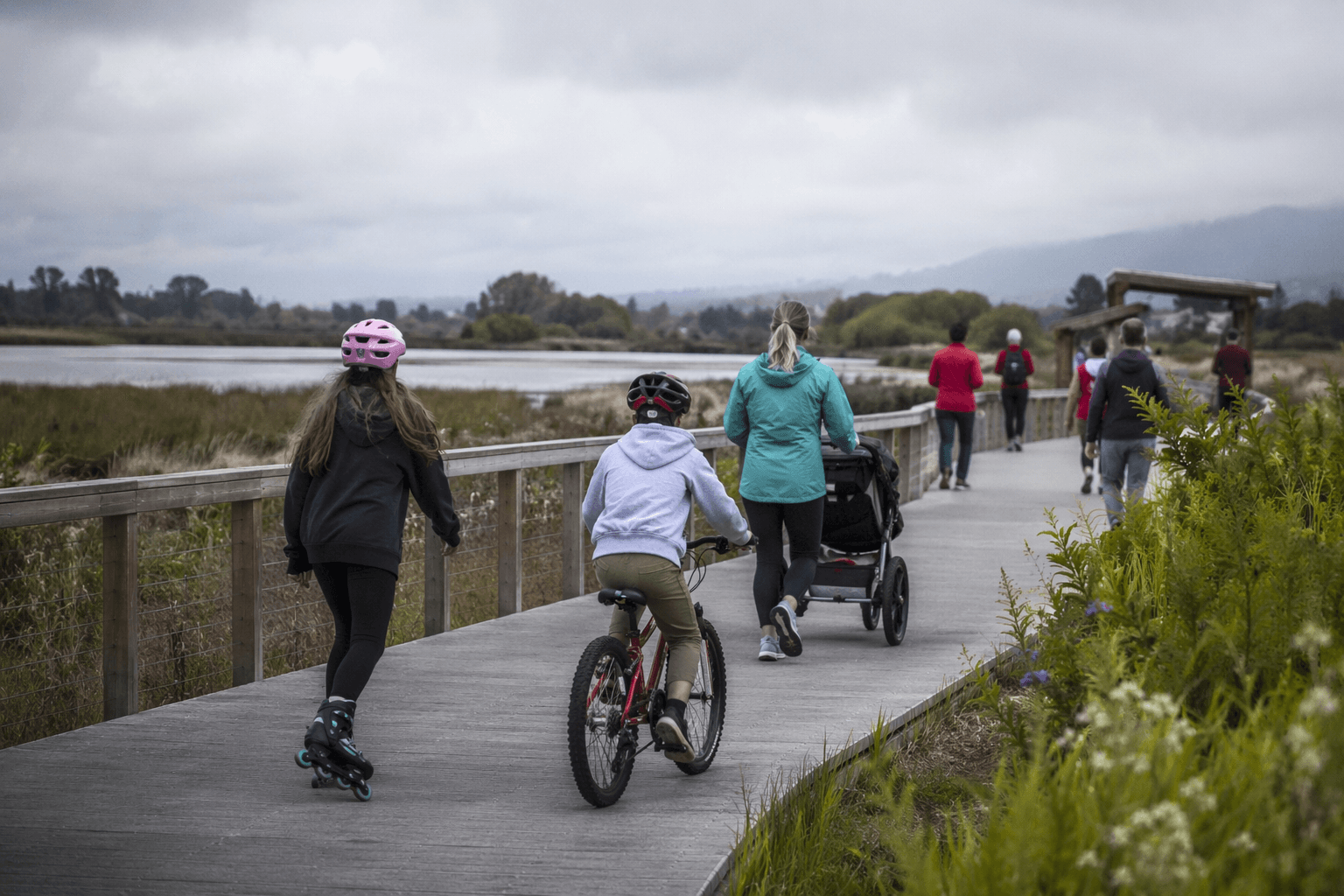
Arcata Marsh and Wildlife Sanctuary is one of Humboldt County’s clearest examples of public works doing double duty. The city integrated conventional wastewater treatment with constructed wetlands, so the system handles sewage while also creating habitat, open space and a place people actually want to spend time in. That is the unusual part of the story: the infrastructure is not hidden from view, it helps define the landscape.
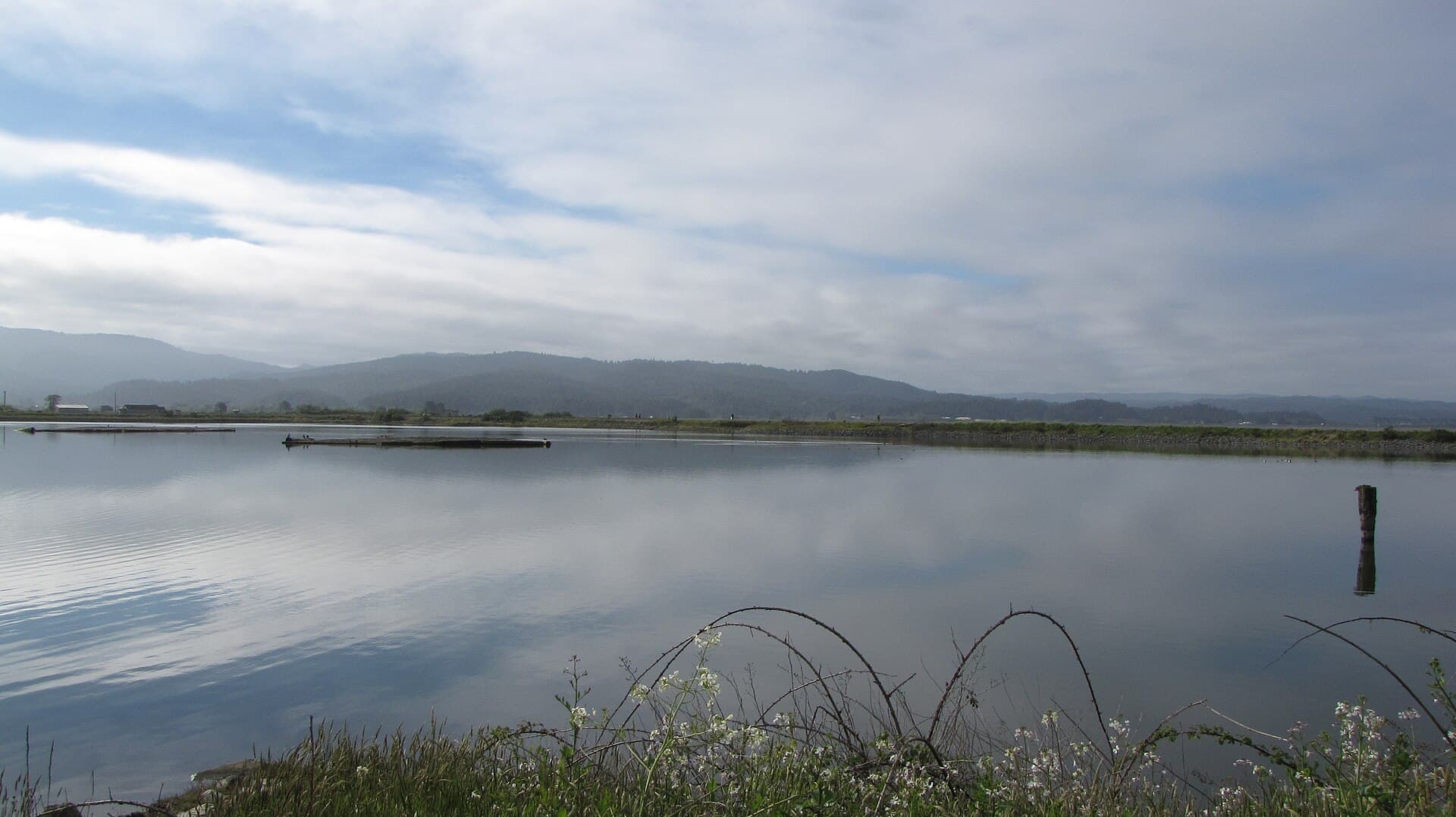
The sanctuary covers 307 acres at the north end of Humboldt Bay and includes freshwater marshes, salt marsh, tidal sloughs, grassy uplands, mudflats and brackish marsh. About 5 miles of walking and biking paths thread through the site, which also includes the Arcata Marsh Interpretive Center. In a county where land use and environmental protection are often discussed as competing needs, Arcata’s marsh shows what happens when the two are designed together from the start.
How to make one visit count
The marsh works best as a simple, repeatable outing. Start at the Interpretive Center, where free maps and brochures in English and Spanish help orient you to the trails, the water treatment system and the habitats around the bay. The center also keeps bird checklists and recent sighting logs, which makes it easy to compare what you see with what has been moving through the marsh lately.
The site is open from sunrise to one hour after sunset, so the visit can be as short or as long as you want. Early morning is a strong choice if you want quieter paths and better bird activity, but the marsh also works as a low-effort afternoon walk because the trails are easy to use and the bay views are immediate. For people who do not think of themselves as birders, that combination matters: the landscape is accessible first, and the birdlife becomes part of the experience instead of the only reason to go.
What changes through the seasons
Arcata Marsh sits along the Pacific Flyway, and the city says it has hosted more than 300 bird species. That puts real range into a single visit. Winter brings waterfowl, shorebirds and wading birds; other months can bring songbirds, raptors and shifting tidal and marsh conditions that change the look and sound of the place.
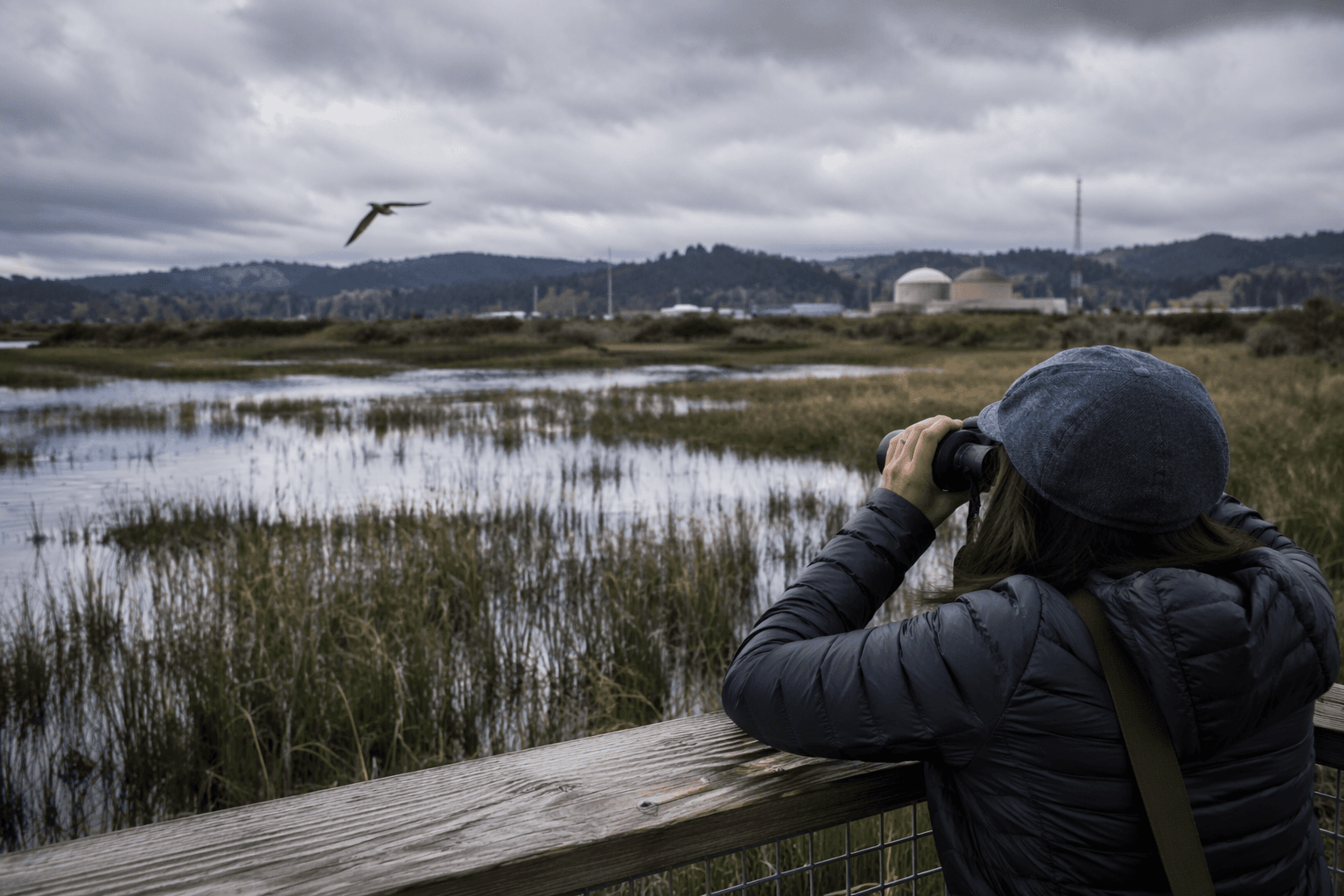
Because the habitat mix is so varied, the marsh does not feel static. Freshwater marshes and tidal sloughs can hold different birds at the same time, while the mudflats and brackish marsh change with the tide. That seasonal variety is part of why the sanctuary remains useful throughout the year, not just during peak birding months.
The Interpretive Center is part of the experience
The Arcata Marsh Interpretive Center is not just a place to pick up a brochure. It is where visitors can get practical tools for a first visit, including the free maps, the bird checklists and the recent sighting logs that help decode what is happening in the wetlands that day. The center also has a beach wheelchair, which makes the site more usable for people who need assistance with mobility on outdoor terrain.
That access point matters because the marsh has to serve several audiences at once: school groups, casual walkers, birders, families and people who are there as much for the trails as for the wildlife. The center helps connect the wastewater system to the living landscape around it, so the site reads as a functioning civic asset rather than a fenced-off utility zone. For a public works project to feel welcoming, the details have to be practical, and here they are.
Free walks, field trips and a built-in rhythm
The calendar around the marsh gives it a steady public life. Friends of the Arcata Marsh leads free guided marsh walks every Saturday at 2 p.m., which gives visitors a dependable weekly entry point if they want a more structured visit. Redwood Region Audubon Society field trips are scheduled for the first and fourth Saturdays of each month, adding another layer for people who want help identifying birds and habitat.
That steady rhythm is one reason the marsh has stayed relevant beyond its original infrastructure role. A place that combines wastewater treatment, wildlife viewing and easy trails can serve different parts of the community at different times, from a quiet solo walk to a guided educational outing. The fact that these programs are free lowers the barrier even further, especially for families and local residents looking for something that does not require a major budget or a long drive.
Why the model matters for Humboldt County
Arcata’s marsh is more than a scenic success story. It shows that a small city can solve an infrastructure problem and create a public space that carries ecological, recreational and educational value at the same time. That combination has real current stakes in Humboldt County, where local governments still face pressure to manage water, habitat and public access without making every project feel separate from daily life.
The lesson for other Humboldt communities is not that every wastewater plant can become a wildlife sanctuary in the same way. It is that public works do not have to be isolated from the landscape they serve. When infrastructure is designed to do more than one job, it can reduce treatment burden, support habitat, draw visitors and give residents an easy place to walk, learn and look out over Humboldt Bay.
Arcata Marsh keeps proving that a utility project can become part of the county’s civic identity. The result is a place that treats water, holds birds, welcomes walkers and makes the edge of the bay feel like public ground rather than the back end of a system.
This article was produced by Prism’s automated news system from verified source data, official records, and press releases, then run through automated quality and moderation checks before publishing. The system is built and supervised by the people who set the standards it runs under. Read our full AI policy.
Know something we missed? Have a correction or additional information?
Submit a Tip