Arcata retools Reconnect project to improve citywide connectivity
Arcata’s Reconnect plan is no longer just a freeway land bridge. After funding setbacks, the city is steering it toward safer crossings, trail links and interchange redesigns.
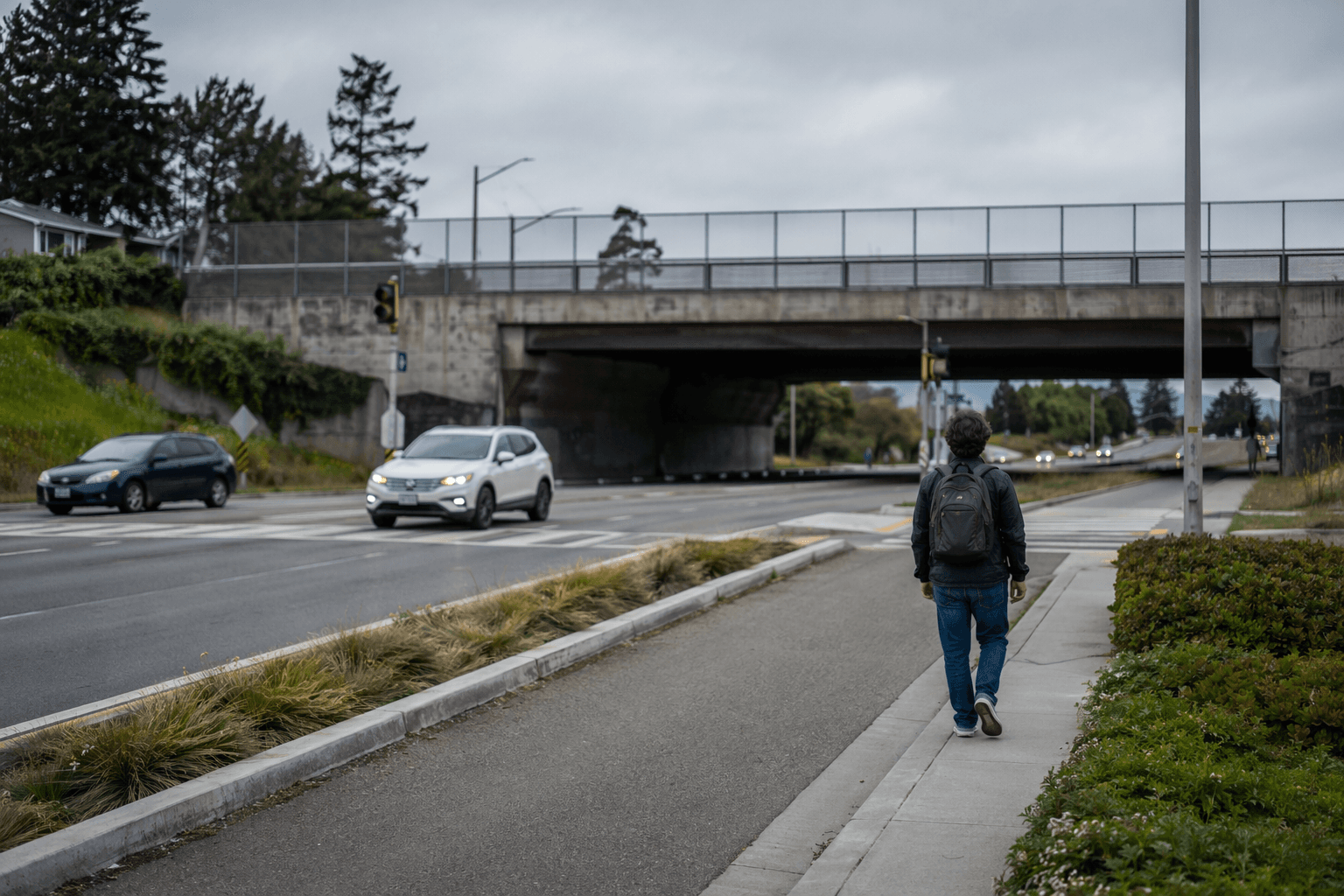
Arcata’s Reconnect project is still alive, but the shape of it has changed. What began as a conceptual land bridge between 14th and 17th streets is now being recast as a broader effort to reconnect central Arcata, Valley West and the Gateway Area with safer crossings, rail-to-trails links and redesigned interchanges around Highway 101.
That shift follows a rough funding ride. Arcata was originally named as one of three pilot communities in California’s Reconnecting Communities: Highways to Boulevards program, alongside South San Francisco and southeast San Diego/National City. The state program, rooted in California Streets and Highways Code section 104.3, was intended to remove or soften transportation barriers that cut off mobility, access and economic opportunity. But budget pressure reduced the program and then suspended it, forcing Arcata to keep the concept moving through local planning instead of relying on a large state-backed construction package.
City officials responded by bringing in SmithGroup as a co-manager under a $300,000 contract approved by the City Council in October 2025. That investment now appears to be paying off. Arcata has also secured a new $700,000 Sustainable Transportation Planning Grant Award, giving the project room for community planning, early design, environmental review and permitting while the larger funding picture remains unsettled.
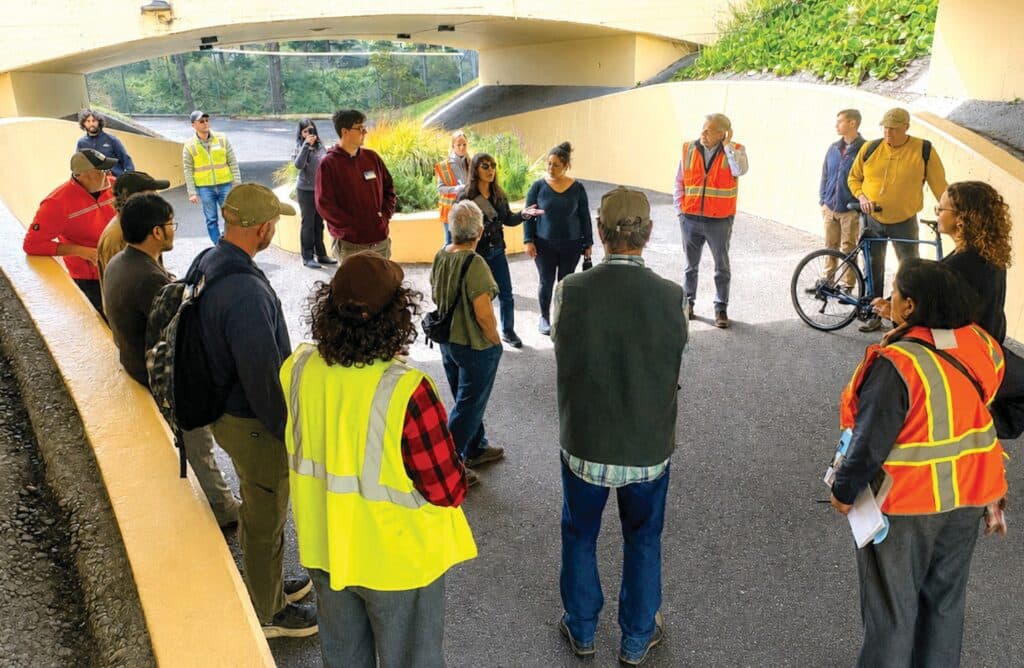
The city’s current materials describe Reconnect Arcata as a way to improve safe transportation and reduce economic barriers in Valley West, Gateway and central Arcata. The project goals also include better access to affordable housing, economic opportunities and recreational activities, while staying within anti-displacement policies. A Community Partnership Group has been convened with local and regional stakeholders representing a range of constituents, organizations, ages and abilities, and the city says future public meetings are expected to include an open house, walking tours, pop-up stations and focus groups.
The history behind the project still shapes the pitch. Arcata’s grant application says U.S. 101 once ran along G and H streets as the city’s main street before the freeway was pushed east of downtown in the 1950s, demolishing historic housing blocks from 7th and D streets in the southeast to Sunset Avenue and G Street in the north. The city’s Valley West page says that neighborhood, on the west side of Highway 101, includes a large share of Arcata’s Latinx population and student residents. That makes the project less like a single signature structure and more like an attempt to undo a long-standing divide in the city’s street network.
This article was produced by Prism’s automated news system from verified source data, official records, and press releases, then run through automated quality and moderation checks before publishing. The system is built and supervised by the people who set the standards it runs under. Read our full AI policy.
Know something we missed? Have a correction or additional information?
Submit a Tip