Arcata weighs housing rules, neighborhood protections and wood stove limits
Arcata could loosen affordable-housing rules, neighborhood buffers and wood-stove limits in a code rewrite that reaches into everyday life. The next decision point is a June 8 study session.
Arcata is considering whether to keep, cut or rewrite the rules that shape where new housing gets built, how much affordability it must include, and how much protection older neighborhoods get from bigger changes next door. The debate reached the Planning Commission on May 26, where commissioners reviewed proposed amendments tied to the city’s land-use code update, including inclusionary zoning, Neighborhood Conservation Areas and standards for wood-burning appliances.
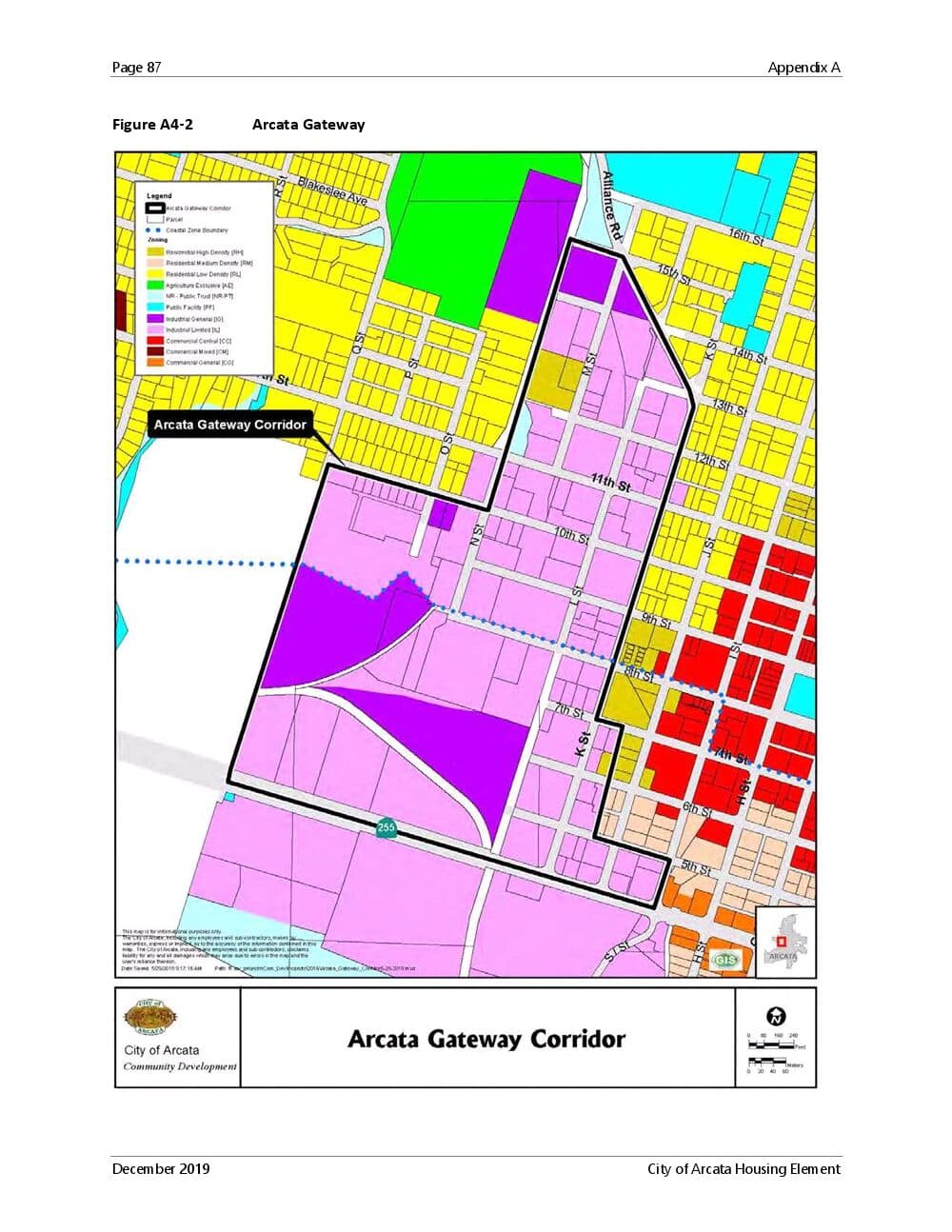
The stakes are unusually broad because Arcata’s Land Use Code has not been comprehensively updated since 2008. City officials are using a HUD PRO Housing Grant to bring the zoning ordinance into line with General Plan 2045, which the City Council adopted on July 17, 2024 as the legal framework for physical development and change over the next 20 years. A joint Planning Commission and City Council study session is scheduled for June 8, putting the next major policy decision on the calendar.
One of the sharpest questions is whether Arcata should keep Neighborhood Conservation Areas at all. The staff report asked commissioners whether NCAs are still needed, what should be retained and what should change. The city identifies Central Arcata, the Plaza District, Arcata Heights and Bayview as designated NCAs, areas where review is used to keep new construction and alterations consistent with existing neighborhood character. Bayside and South of Samoa are not adopted NCAs, but both have related specific plans with properties of interest.

The housing debate is just as consequential. Inclusionary zoning, which can require private developments to include below-market-rate units or pay into housing funds, has long been controversial in Arcata. The city’s code archive shows the requirement was removed from the land-use code in a 2010 ordinance, and the council later adopted Ordinance No. 1575 in 2024 to update affordable housing zoning. The current rewrite could revive, reduce or further reshape the city’s approach to asking private builders to contribute to affordability.
Wood-burning stoves and fireplaces are also part of the conversation, a sign that the rewrite is not limited to density maps and setback lines. Any new limits or standards would sit alongside the city’s own environmental findings: the General Plan 2045 EIR certified on July 17, 2024 identified unavoidable impacts to air quality and historic resources that could not be reduced to less than significant. Those findings give added weight to a debate that is also about daily life, from winter heating choices to whether older parts of Arcata keep their current scale and feel.
Arcata’s preservation history underscores why the choices now matter. The city adopted its first historic preservation ordinance in 1980, and 96 structures or sites have since been designated as local historic landmarks. With comments received by May 22 folded into the commission packet, the city is moving into a public stretch that could decide how much of Arcata’s old code survives and how much of the city’s future gets remade.
This article was produced by Prism’s automated news system from verified source data, official records, and press releases, then run through automated quality and moderation checks before publishing. The system is built and supervised by the people who set the standards it runs under. Read our full AI policy.
Did this article answer your question?