Arcata weighs using federal CDBG and housing funds for low-income residents
Arcata is weighing applications under the 2025 State CDBG Notice of Funds Availability; Director David Loya warned running homeless-service programs would "be kind of a heavy lift for us."
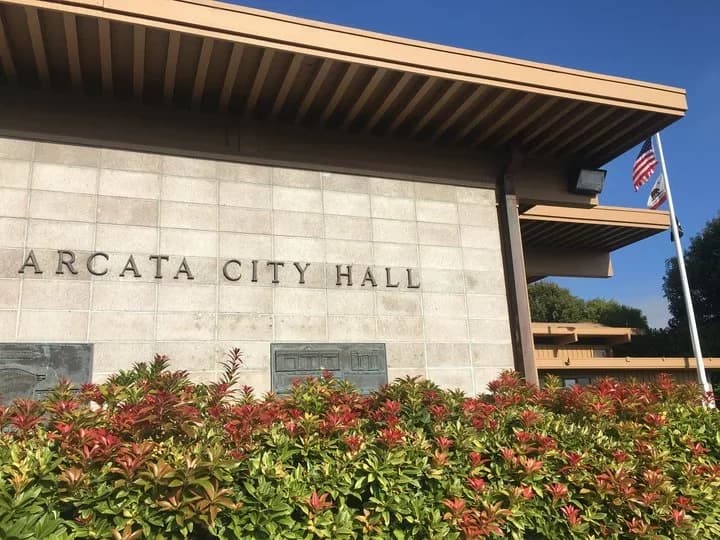
Arcata officials are soliciting public input as they weigh how to apply for 2025 State Community Development Block Grant (CDBG) funds to benefit low- and moderate-income residents, with staff and council facing a mid-March decision on project focus. David Loya, Arcata’s Director of Community Development, cautioned that the city “has never run a program like that. We can’t demonstrate success at doing it. It would be kind of a heavy lift for us,” signaling limits to pursuing new homeless-service programs under the NOFA.
City staff held a public scoping meeting Feb. 17 from 5:00 to 6:00 p.m. in the Arcata Library Conference Room at 500 Seventh Street, where refreshments were provided and staff were available to discuss a current list of potential projects and hear ideas from community members. A public hearing was scheduled during the City Council meeting beginning at 6:00 p.m. Feb. 18 in City Hall Council Chambers, 736 F Street; community members unable to attend were encouraged to submit comments by email to the address shown in the city’s notice.
City materials and the public notice outline the range of eligible CDBG activities the city is considering. “CDBG funds can be used to support a wide range of community needs, including affordable housing, business assistance, planning and technical assistance, public facilities and infrastructure improvements, services for low- and moderate-income residents and projects that improve neighborhood safety, accessibility and quality of life,” the city’s announcement states. Historically, Arcata has used CDBG funds to improve the wastewater treatment facility, lend money to small businesses, and assist building housing projects.
The state funding context complicates choices. California’s Department of Housing and Community Development is funding some $27 million of Community Development Block Grants statewide this year, and CDBG grants are aimed at programs that benefit people making less than about 80% of the area median income. Arcata can also pursue community-wide projects when more than 50% of the city’s population is low-income, allowing benefits without restricting use to individual low-income clients.
Administrative and regulatory requirements in Arcata’s program guidance could shape which projects the city can deliver. An environmental review is required by HUD for each business funded with CDBG monies (24 CFR 58) and must be completed prior to activities commencing; the review must comply with HUD’s NEPA regulations. The city will require applicants to obtain a Unique Entity Identifier and verify participants are not on the federal debarment list via SAM.gov, and federal/state nondiscrimination and other laws will be explained to applicants.
Microenterprise and loan activities carry documentation burdens: a microenterprise is defined as a business with five (5) or fewer employees, including owners, and program operators will require payroll records, EDD reports and other third-party documentation to verify employee counts and eligibility. The city also notes Program Income rules that may require use of CDBG Program Income before other funds in revolving loan accounts.
Arcata tracks multiple housing and funding streams that could be coordinated with CDBG decisions, including HOME grants, Home Key, the Affordable Housing Sustainable Communities program, American Rescue Plan Act funds and a CDBG Program Income Revolving Loan Fund. The city has invited residents to “help shape how future grant funding is used to benefit our community,” and council members are expected to set priorities in mid-March as staff prepares any 2025 NOFA applications; how much Arcata will apply for has not been determined.
This article was produced by Prism’s automated news system from verified source data, official records, and press releases, then run through automated quality and moderation checks before publishing. The system is built and supervised by the people who set the standards it runs under. Read our full AI policy.
Did this article answer your question?