Best tidepool spots, access, facilities and safety tips at Trinidad State Beach
College Cove’s tidepools and a 1/2‑mile trail that drops 120 feet are the top low‑tide draws, but Parks Ca warns “Swimming is not advised” and to always check tides and flags.
1. Best tidepool spots at Trinidad State Beach
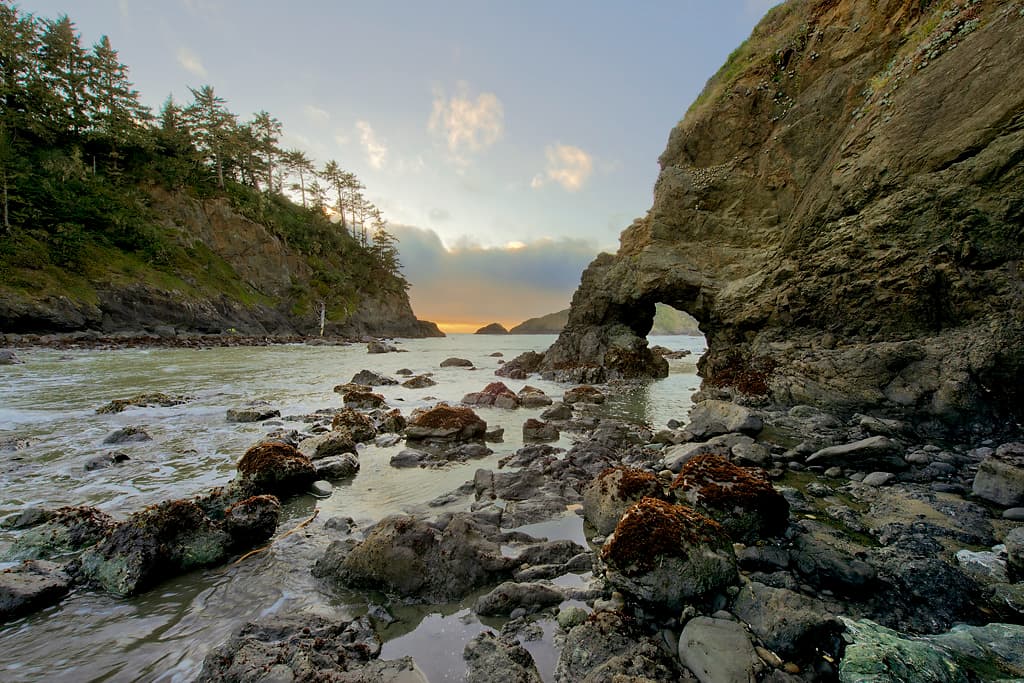
Low tide is the best time to visit the coast for tidepooling; tide pools are found in intertidal zones where ocean meets land and offer a chance to "discover the rich biodiversity of one of the harshest environments on Earth." The park names specific pockets ideal for exploring: College Cove (northernmost section), Indian Beach (south of the pier and Trinidad Head), and rocky intertidal areas along the state beach. Bring sturdy shoes and plan your visit around low tide to maximize viewing and minimize risk of being caught by rising water.
2. College Cove: the prime tidepool destination
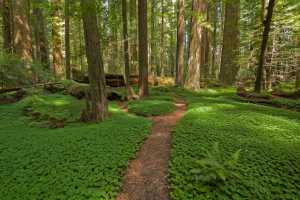
College Cove is described as "the northernmost section of this state beach" and "a popular beach with sheltered waters that are safe to enter under the right conditions." The approach is a "short hike through the woods, across open bluffs, and past seasonal wildflowers down to the beach" via a 1/2 mile trail that "drops 120 feet." Notable features include "fascinating rocks and tidepools to explore" and "a natural arch near the north end of the beach"; Visitredwoods also references a photo asset, "1626P3College cove by Janette Heartwood.jpg," useful for planners and editors.
3. Indian Beach and other tidepool/kayak sites
Indian Beach lies "south of the pier and Trinidad Head" and is "a good spot for tidepooling and kayaking." The beach’s orientation makes it a favored local option for small-boat launch and sheltered tidepool exploration when conditions allow. Treat kayak outings the same as shoreline visits: check tide tables, dress for cold water and wind, and keep children closely supervised.
4. Lookouts and windy points: Houda Point and the overlook
Houda Point earns the local shorthand, "Houda Point: Perched and perfect. You can park and watch or brave the wind for the full-body version." The Trinidad State Beach Overlook comes with the terse wardrobe warning "Trinidad State Beach Overlook: Raincoat", both notes underline how quickly weather and wind can change at bluff viewpoints. These spots are excellent for scanning offshore rocks for seals, sea lions and passing whales without leaving the safety of the headlands.
5. Trinidad Head hike and trail access
For wide ocean panoramas, "Hike the Trinidad Head for incredible views of the ocean", the "trailhead is at the south end of the parking lot." The headland hike is an easy add-on to a beach visit and lets you scan for migrating and resident gray whales and seabirds from higher vantage points. If you plan both the hike and a tidepool visit, stagger times so you arrive at the shoreline near low tide.
6. Access, parking and getting to College Cove
"With easy access and plenty of parking," Trinidad State Beach sits just north of the Trinidad Harbor and pier. For College Cove directions: "Take the Trinidad exit into town, then turn right onto Stagecoach Road in approx. 1/4 mile. Follow about 1/2 mile to the parking area on your left." From that lot, expect a "1/2 mile trail to the beach" that descends roughly "120 feet." Plan for limited space on busy weekends and allow extra time for the short but steep descent and ascent.
7. Facilities and recreational opportunities
Visitor facilities include restrooms, parking and "a small picnic area with tables and grills," plus trails, an open grassy area and a spruce forest. Recreation options listed by Parks Ca include birding, beachcombing, tide pooling, walking through a "luscious, temperate rainforest," whale watching, kayaking, and surf fishing. For anglers: "Go surf fishing; common catches include rockfish, surfperch and halibut," and you should "Check the latest fishing regulation before your visit."
8. Wildlife viewing and biodiversity
Bring binoculars to "observe sea birds, seals and sea lions resting along offshore rocks beyond the shoreline" and to scan for migrating and resident gray whales. Tidepools and intertidal rock surfaces are home to "native amphibians and invertebrates", concentrated biodiversity that is fragile and fascinating. Treat wildlife viewing as observation-only: maintain distance from hauled-out marine mammals and never disturb animals.
9. Tidepool etiquette and legal protections
"When visiting tide pools, it is best to be prepared, make safety a priority, and practice tide pool etiquette." Parks Ca emphasizes protection: "PLEASE REMEMBER Leave No Trace, Respect and protect these rich, biodiverse ecosystems" and "All natural and cultural features are protected by law and may not be disturbed." Do not collect organisms, move rocks, or remove shells; leave habitats intact so neighbors and future visitors can enjoy them.

10. Pet rules and responsible access
"Parks Ca" states that "Dogs are permitted on beaches, picnic areas, and park trails as long as they are on a maximum 6-foot leash." Keep dogs under control on bluffs and near tidepools so they do not disturb nesting birds, shoreline wildlife, or other visitors. Follow leash rules and pack out pet waste.
11. Coastal hazards: cold water, sneaker waves, and tides
"Coastal Hazards, Swimming is not advised. The ocean off Trinidad State Beach is cold and dangerous. Be cautious of 'sneaker wave' activity." Check the tides: "Check the Tides, Check current tide tables to avoid being trapped by high tides." Low tide is the safest window for tidepooling because rising water can quickly cover access points and hide rocks and channels; plan departures well before the incoming tide.
12. Rip currents, flags, lifeguards and water safety
Trinidadexpress advises: "On arrival at a beach, look for brownish discolouration of the water, choppy/smooth water, or a collection of debris in one concentrated area that can signal the presence of a rip current. Pay attention to waves that move in a criss-cross pattern, which can indicate a rip current or rocks in the area." Quoting Wayne Drysdale, retired lifeguard and public education officer at the Trinidad and Tobago Life Saving Society (TTLSS): "If you end up in a rip current, swim parallel to the beach, avoid the temptation to swim towards the shore," and "Should you observe someone caught in a rip current, call for the assistance of a lifeguard or throw something in the path of the rip that the person can hold on to." Drysdale also stressed: "Listen to the lifeguard’s whistle, which is his way of attracting attention," and "Do not bathe directly in front of red flags, which signal the presence of dangers like rip currents, rocks in the water or other objects that can cause injury." Note: TTLSS and Drysdale are sources from Trinidad and Tobago; their advice is general water‑safety best practice. Confirm local lifeguard coverage, flag systems and hours with California State Parks before relying on lifeguard rescue at Trinidad State Beach.
13. Child supervision and an urgent reminder
"Always stay within an arm’s reach of children." Drysdale warned, "If you are in the water with your children, you would be in a better position to observe whether there are any strong currents and you can look out for any dangerous marine life," and he recalled "two children were unknowingly bathing next to a large sting ray while their parents were lounging a distance away under a coconut tree." Keep children close and supervised at every moment on rocks, in pools and near surf.
14. Cultural land acknowledgement and stewardship
Trinidad State Beach is located on the land of the Ner’-er-nerh/Coastal Yurok People. Respect for cultural places is part of the park’s legal protections: "All natural and cultural features are protected by law and may not be disturbed." Include this ethic in how you move through tidepools, bluffs and forested trails.
- Check current tide tables and "PARK WEBPAGE FOR MORE INFO" to avoid high-tide traps and for any alerts.
- Dress in layers, bring a raincoat and wind protection ("Trinidad State Beach Overlook: Raincoat").
- Bring binoculars for whale and seal watching and sturdy shoes for slippery rocks.
- Obey posted signs and flags; "Do not bathe directly in front of red flags."
- Keep children "within an arm’s reach of children" and have a plan to act if someone is swept or caught.
- Keep dogs on a "maximum 6-foot leash" and pack out waste.
- "PLEASE REMEMBER Leave No Trace, Respect and protect these rich, biodiverse ecosystems."
- If fishing, check the latest regulations before you arrive.
15. Practical checklist before you go
This guide pulls together official park advisories, local trail directions and water‑safety guidance so you can enjoy Trinidad’s tidepools and bluffs while protecting people, wildlife and cultural sites.
This article was produced by Prism’s automated news system from verified source data, official records, and press releases, then run through automated quality and moderation checks before publishing. The system is built and supervised by the people who set the standards it runs under. Read our full AI policy.
Did this article answer your question?