Blueprint of resilience - Blue Lake fire of 1911 and what it means today
Archival excerpts recount the Dec. 5, 1911 blaze that swept Blue Lake’s business district and the mutual-aid response that followed. The history matters for modern wildfire readiness and local recovery planning.
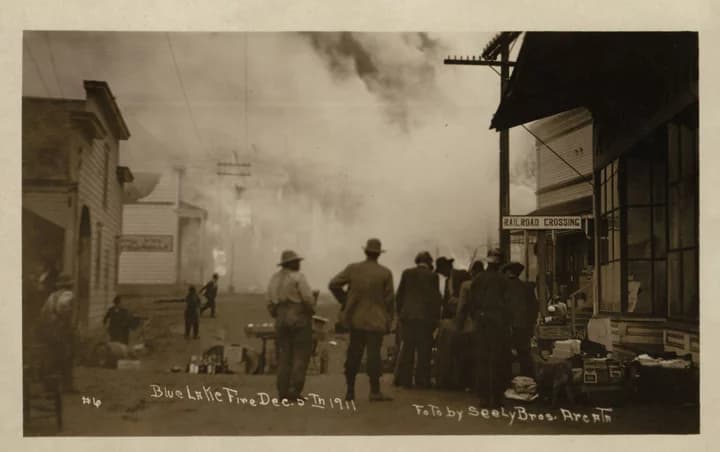
A newly compiled set of archival excerpts recounts the devastating fire that tore through Blue Lake’s downtown on December 5, 1911, offering a close look at how a small Humboldt County community responded, absorbed losses, and began to rebuild. The material includes contemporary newspaper accounts describing the fire’s origin in a clothing and tailor shop, the arrival of engines and crews from neighboring towns, and the immediate human response that limited what could have been an even larger catastrophe.
The historical narrative captures the blaze in stark terms: “The business district of Blue Lake was partially swept by fire beginning a few minutes after 12 o’clock noon Tuesday, December 5, 1911.” Those words anchor the account and point to the suddenness with which a single ignition can imperil an entire commercial strip. Excerpts detail heroic rescues by townspeople and visiting firefighters who worked together amid heavy smoke and spreading flames to save lives and retrieve valuables as buildings fell.
The archived reports catalog losses, list insurance figures, and trace the first phases of reconstruction. While specific dollar amounts are preserved in the excerpts, the broader picture is familiar to modern readers: small businesses hit hard, insurance covering some but not all losses, and a reliance on neighbor-to-neighbor assistance in the absence of expansive municipal resources. Engines and crews from neighboring towns were credited with preventing a total loss of the town’s commercial core, underscoring the long-standing role of mutual aid in Humboldt County emergency response.
For contemporary residents and policymakers, the story is more than nostalgia. It prompts questions about building materials, fire prevention in commercial corridors, the adequacy of insurance for small proprietors, and the robustness of mutual-aid agreements today. Humboldt County's history of shared emergency response continues to shape current planning; understanding how communities coped in 1911 can inform investment in fire-resistant infrastructure, coordinated training, and community-based preparedness programs.
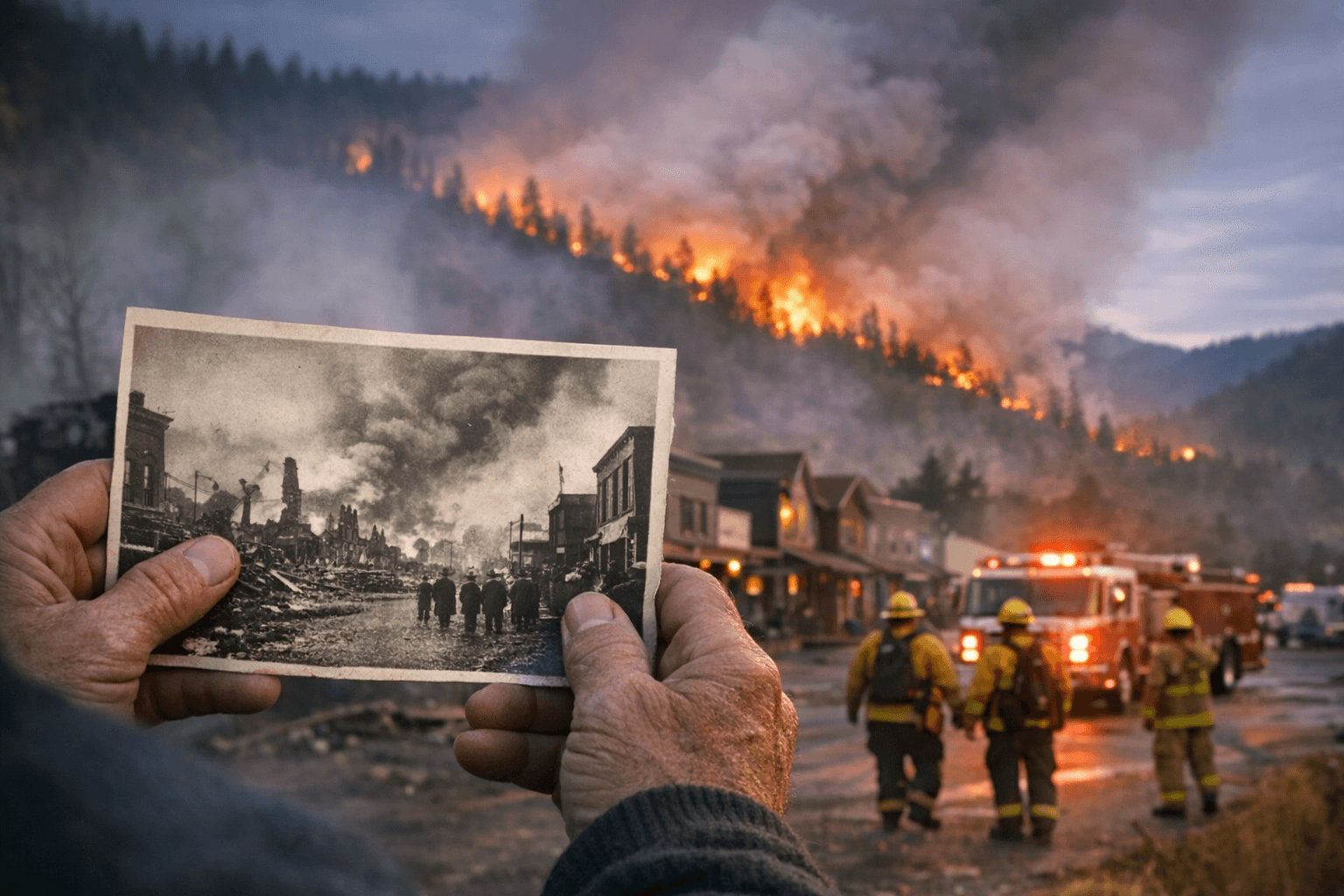
Preserving and publicizing these records also serves civic needs: they are reference points for disaster planning, sources of accountability for municipal and county leaders, and reminders of the civic muscle that neighbors lent each other when formal systems were overwhelmed. The early rebuilding efforts described in the excerpts show both determination and the limits of private capital in recovering from sudden urban conflagrations.
The takeaway? History here is practical. Remembering the Blue Lake fire of 1911 is not just about honoring past courage; it’s about using those lessons to press for stronger prevention, clearer mutual-aid protocols, and realistic insurance options so our downtowns can survive the next crisis. Our two cents? Check your coverage, know your town’s mutual-aid plan, and talk with your neighbors about how you'd respond.
This article was produced by Prism’s automated news system from verified source data, official records, and press releases, then run through automated quality and moderation checks before publishing. The system is built and supervised by the people who set the standards it runs under. Read our full AI policy.
Did this article answer your question?