Cal Poly Humboldt, CSU repatriation of Native remains, artifacts remains slow
Cal Poly Humboldt and the CSU still control thousands of Native remains and cultural items while tribes wait for return. The slow pace reflects paperwork, custody gaps and legal hurdles, not a lack of urgency.
The accountability gap
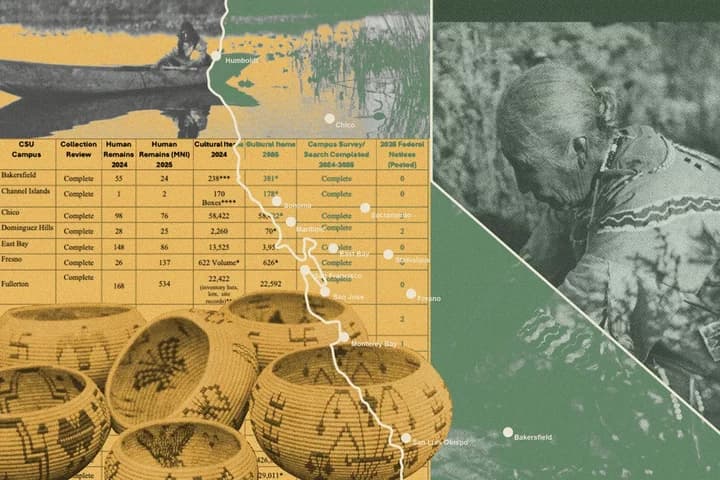
A repatriation system meant to return ancestors and sacred belongings to Native nations is still moving far too slowly, and the bottleneck sits inside the institutions that continue to hold the remains and artifacts. In the California State University system, more than 2,000 Native American remains and more than 1.57 million artifacts are still in custody, with another 500,000 items awaiting proper tribal review and cataloging, a scale that turns every campus file room into a contested site of public trust.
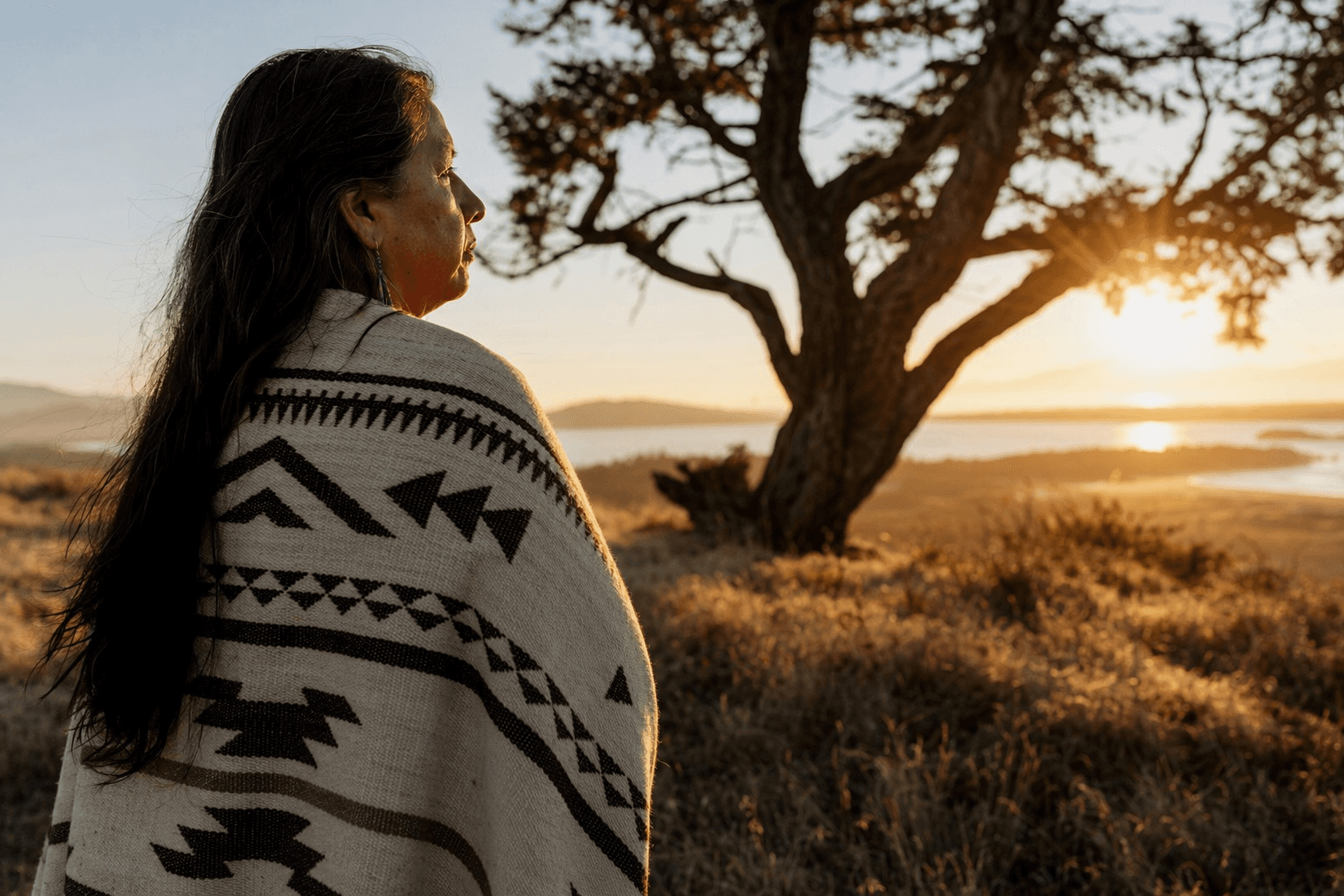
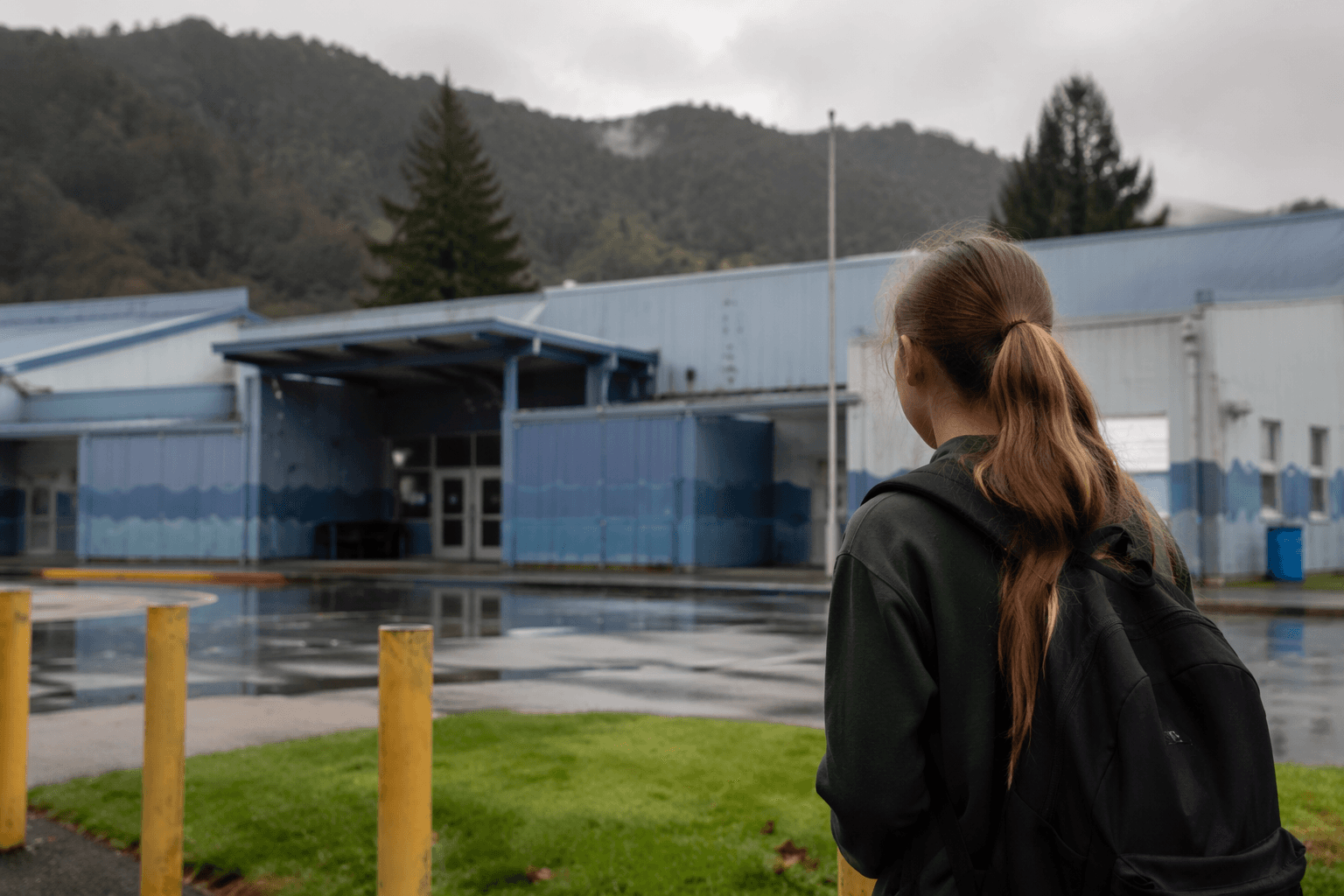
That matters in Humboldt County because Cal Poly Humboldt sits in the middle of one of California’s most tribally connected regions. The campus says it is on Wiyot land in Goudi’ni, Arcata, and its Marine Lab is on Yurok territory in Chuerey, Trinidad. The Office of Tribal Relations says 13 federally recognized tribes surround the campus, including the Wiyot Tribe, Yurok Tribe, Karuk Tribe, Hoopa Valley Tribe and Tolowa Dee-ni’ Nation.
Why the process moves so slowly
The basic law is not new. The Native American Graves Protection and Repatriation Act was enacted in 1990, implemented in 1995, and its federal regulations were revised in 2023 to address compliance timelines and points of confusion. Even with that framework, the return process can stall for years because each collection has its own history, chain of custody, documentation problems and consultation requirements.
The challenge is especially sharp when tribes are not federally recognized. That can complicate the legal pathway even when tribal communities have deep cultural ties to the materials. The result is a system where moral clarity does not automatically produce administrative speed, and where the burden of proof often falls on tribes that have already waited decades.
What Cal Poly Humboldt says it holds
Cal Poly Humboldt says it hired a dedicated NAGPRA coordinator in February 2024, a step meant to move compliance out of the margins and into day-to-day campus work. At that time, the university said it possessed more than 23,000 cultural items subject to NAGPRA and CalNAGPRA, and that about 20,000 of them were debitage, the discarded stone fragments left over from toolmaking. The campus also said it did not have any human remains in its possession.
Those details matter because they show how repatriation is not only about a small number of dramatic museum pieces. It also involves thousands of routine-seeming archaeological fragments that still carry legal and cultural significance, and that must be sorted, cataloged and reviewed before they can be returned or otherwise resolved.
For Humboldt County, the stakes are local as well as historical. The North Coast has long been a place where ancestors and sacred items were collected under older academic practices that ignored tribal consent. That history still shapes the work in Arcata and Trinidad, where the campus must consult with nearby tribal nations whose cultural interests are directly affected by what remains in university custody.
What changed at CSU, and what did not
The California State University system has recently moved to formalize what had long been uneven campus-by-campus practice. On November 13, 2025, CSU adopted its first systemwide NAGPRA policy after more than 30 outreach and listening sessions that began in April 2024. CSU says those sessions produced hundreds of comments and recommendations from tribal leaders and community representatives, and the system also allocated $3.7 million in direct funding to campuses for two consecutive years to support staffing, training, consultation and infrastructure.
That is a meaningful shift in tone and resources, but it does not erase the structural problem. The systemwide policy acknowledges that compliance has to be managed across multiple campuses, each with separate holdings, records and consultation timelines. In practice, that means the institutions still decide how quickly collections are reviewed, how documentation is assembled and when items are ready to move.
The CSU annual collections review submitted on December 22, 2025, makes that oversight structure explicit. The report says it was required by AB 389, the 2023 law, and by Health and Safety Code section 8028.7, which together require systemwide and campus oversight committees, staffing and accountability measures. In other words, the state has now told CSU that repatriation cannot be treated as an informal or occasional responsibility.
Why tribes say the pace remains unacceptable
The pressure on CSU did not appear out of nowhere. At a 2023 legislative hearing, Assemblymember James C. Ramos said the university had failed for decades to return 698,200 Native American human remains and artifacts. The state audit that followed found that only 6 percent of nearly 700,000 items had been repatriated, that 12 of 21 CSU campuses with collections had not completed required NAGPRA reviews, and that 16 campuses had little or no repatriation activity.
Those numbers explain why tribal leaders and advocates keep returning to the same complaint: the system has had the legal authority and the ethical obligation for years, yet progress has remained sporadic. Even now, when more funding and a formal policy are in place, the deciding power still rests with campuses and the CSU bureaucracy until review, consultation and transfer are complete.
What Humboldt County should watch next
For Humboldt County, the issue is not abstract museum policy. It is a live test of whether public institutions in this region can return control of ancestral remains and cultural heritage to the communities that should never have lost them. The campus sits beside tribes that have endured generations of collection, removal and delayed accountability, and it now operates under a tighter state and federal framework that demands real movement.
The clearest sign of progress will not be another policy announcement. It will be fewer items lingering in storage, cleaner records, faster consultation and more returns that actually leave institutional control. Until that happens, Cal Poly Humboldt and the broader CSU system remain the gatekeepers of Native remains and artifacts, and tribes across the North Coast will keep pressing to make sure the law finally works as intended.
This article was produced by Prism’s automated news system from verified source data, official records, and press releases, then run through automated quality and moderation checks before publishing. The system is built and supervised by the people who set the standards it runs under. Read our full AI policy.
Did this article answer your question?