Cal Poly Humboldt expands kelp farm in Humboldt Bay for research, jobs
Cal Poly Humboldt is pushing its Humboldt Bay kelp pilot toward market scale, adding 0.33 acres and a Trinidad hatchery to test jobs, buyers and permits.
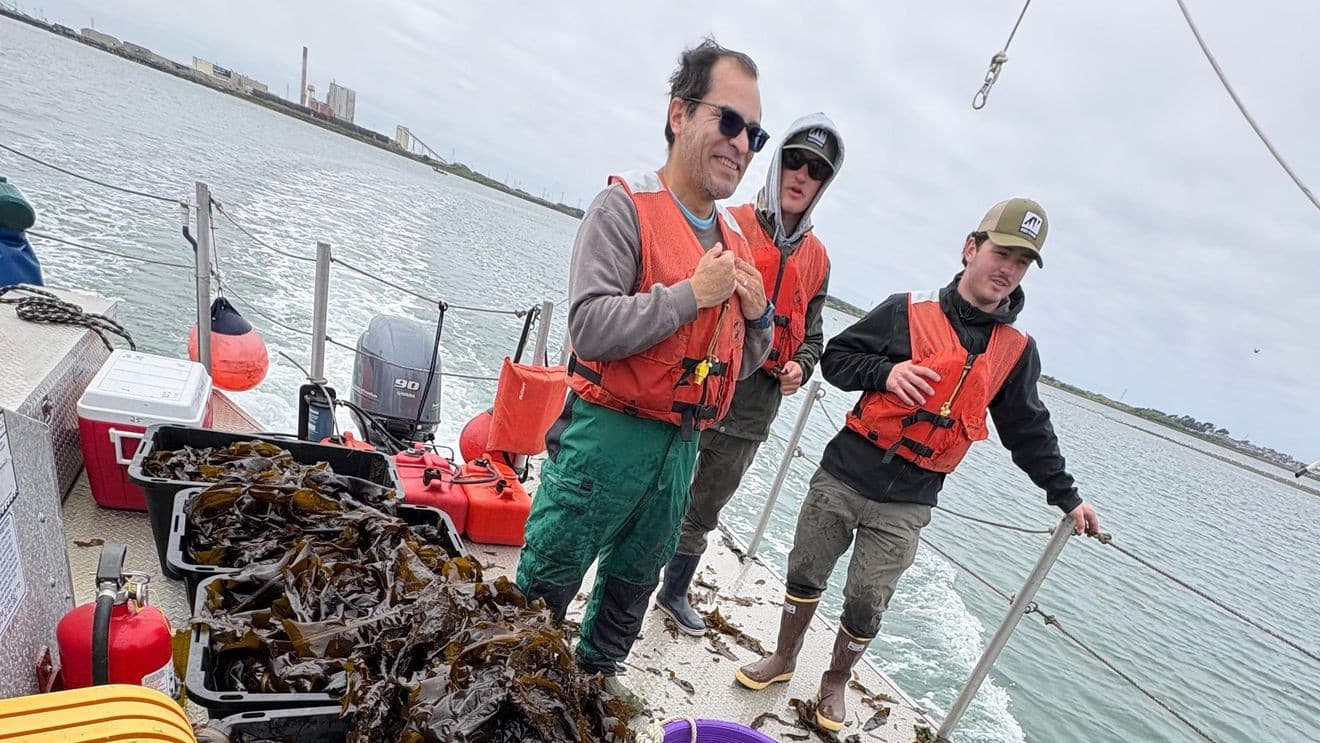
A small kelp plot in Humboldt Bay was being pushed toward something much bigger: a possible North Coast seaweed industry with local jobs, commercial buyers and a tighter fit inside Humboldt County’s working waterfront.
Cal Poly Humboldt planned to add about 0.33 acres to the existing site and build an onshore kelp hatchery at the Humboldt State Marine Lab in Trinidad, where a 40,000-gallon seawater system gives researchers a controlled place to raise seed stock. The university said the goal was not just more biology, but more business, creating information future farmers could use as they navigate California’s regulatory and economic environment.
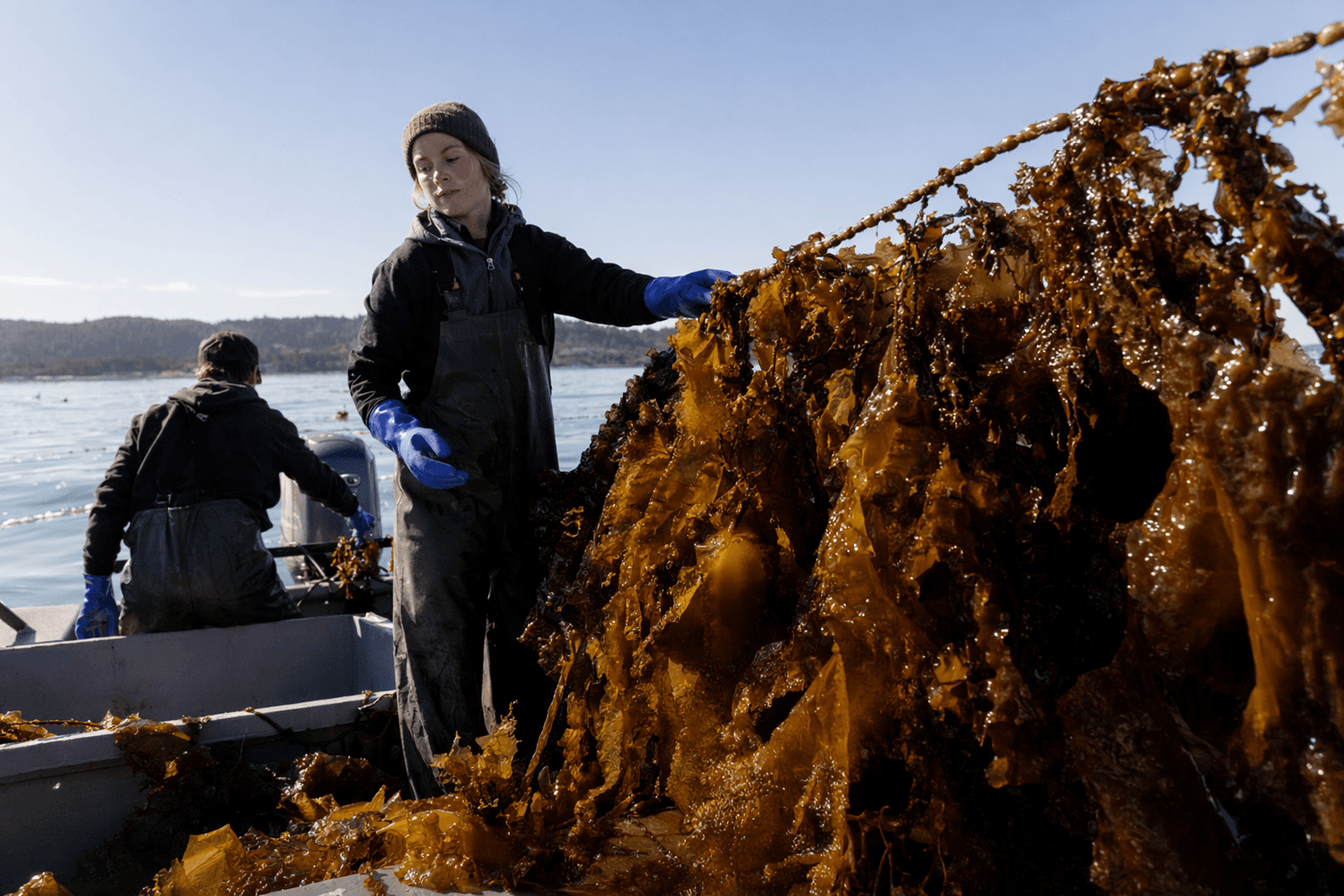
The HSU-ProvidenSea pilot began in 2019 in Humboldt Bay and has been described by the university as California’s first commercially licensed open-water seaweed farm. Students and researchers have already tested cultivation methods and species selection, including growing winged kelp on long lines. The next phase centers on reproduction, growth, water quality and temperature, while the team also studies whether seaweed aquaculture can help remove excess nutrients and support bioremediation.
That commercial angle matters in Humboldt Bay, where aquaculture is already established but still narrow. The Humboldt Bay Harbor, Recreation and Conservation District oversees tide and submerged lands in the bay, and its harbor overview says oysters remain the primary cultivated species. Any kelp operation that grows beyond a pilot has to fit into that existing framework, making permitting and working-waterfront access as important as crop performance.
The market case is stronger than it was a few years ago. University reporting has said coastal kelp on the North Coast has declined by 95% because of global warming, while NOAA says seaweed farms can lower nutrient levels in nearby waters, buffer ocean acidification and feed markets ranging from food to cosmetics, animal feed and fertilizer. NOAA also describes seaweed farming as the fastest-growing aquaculture sector and says U.S. aquaculture creates jobs and business opportunities in coastal communities.
Cal Poly Humboldt said the project was funded by the CSU Agricultural Research Institute and Cal Poly Humboldt’s Sponsored Programs, with GreenWave as a collaborator helping communities launch regenerative ocean farms. GreenWave also provides farmers tools, market access and a climate fund that pays per foot of kelp planted, underscoring how quickly the industry is being organized around both science and revenue.
The local stakes also reach beyond economics. The Rou Dalagurr Food Sovereignty Lab and Traditional Ecological Knowledges Institute says seaweed work on Wigi, the Humboldt Bay peninsula, includes Sunken Seaweed, a land-based seaweed farm, hatchery and nursery. The Wiyot Tribe says Wiyot people have lived in the Humboldt Bay region for thousands of years. For student Lex Hooper and the researchers around him, kelp is no longer just a marine organism. It is food, livestock feed, restoration work and, if the numbers pencil out, a new line of business for Humboldt County.
This article was produced by Prism’s automated news system from verified source data, official records, and press releases, then run through automated quality and moderation checks before publishing. The system is built and supervised by the people who set the standards it runs under. Read our full AI policy.
Did this article answer your question?