Cal Poly Humboldt Welcomes First Latino President Carvajal, Announces Listening Sessions
Cal Poly Humboldt welcomed Richard Carvajal as its first Latino president on Jan. 20; he will hold listening sessions to gather campus priorities, a development with implications for local equity and health.
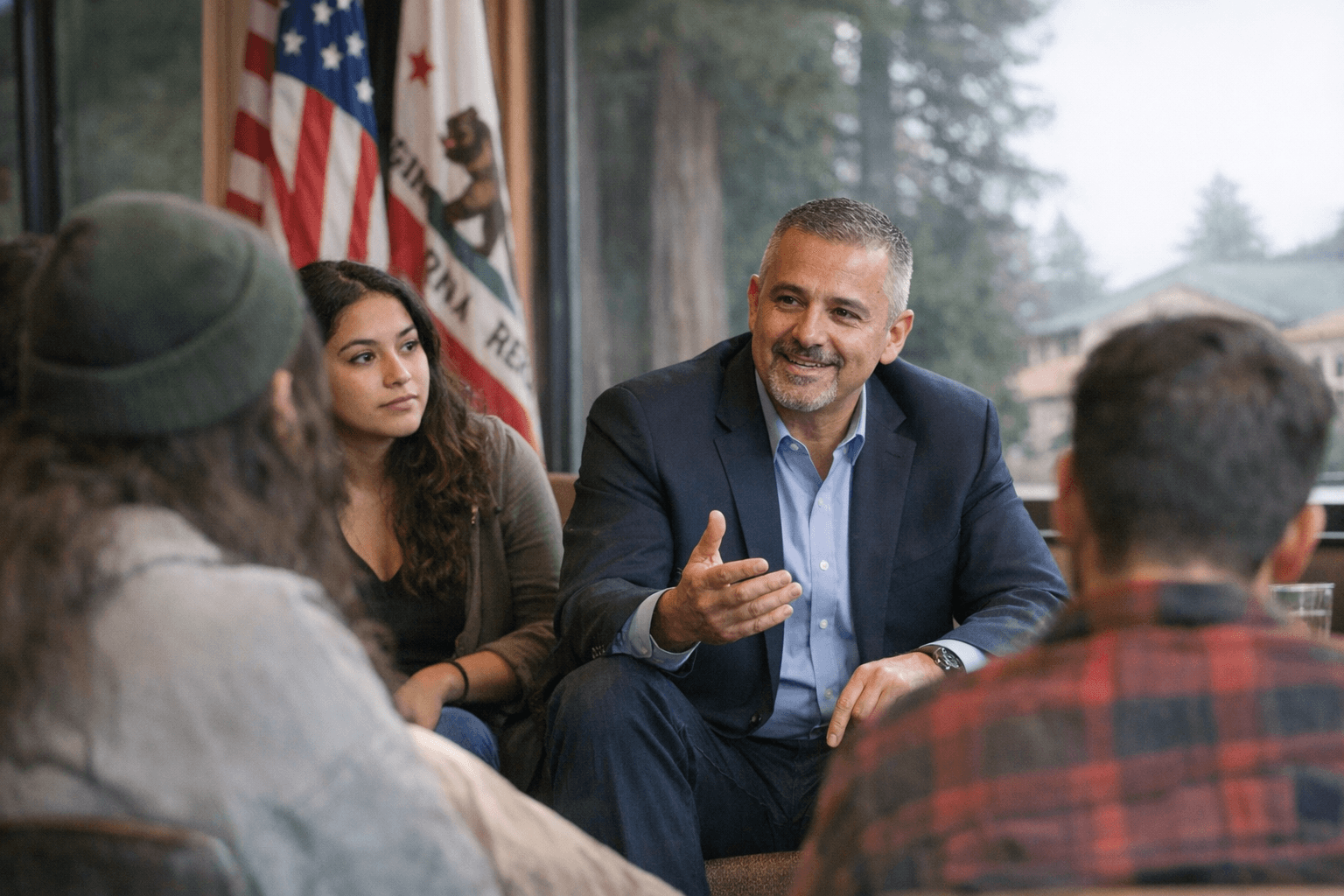
Richard Carvajal arrived on campus Jan. 20 for his first day as Cal Poly Humboldt’s president, making history as the university’s first Latino president and beginning an early program of outreach to students, faculty, and staff. Carvajal spent the day greeting students, visiting classrooms, and taking part in informal meet-and-greet activities, including handing out donuts. The university also staged a campus welcome reception on Jan. 22.
Carvajal announced plans to host a series of listening sessions to gather input about university priorities from across the campus community. Those sessions are intended for students, faculty, and staff to share concerns and ideas about academic programs, student services, and operational priorities. For Humboldt County residents, those sessions offer a direct avenue to shape policies at an institution that is a major employer and a provider of education and services for the North Coast.
The arrival of a first Latino president carries symbolic and practical weight for a region that has long grappled with health disparities, housing insecurity, and limited access to culturally responsive services. Leadership that reflects student and community diversity can affect recruitment of faculty and staff, curricular priorities in fields such as public health and social work, and partnerships with local clinics and tribal and community organizations. For students who identify as Latino or come from immigrant families, representation at the highest level of campus leadership can help reduce barriers to care and build trust in campus health and counseling services.
Carvajal’s listening sessions may influence how the university allocates resources to student mental health, reproductive health services, housing support, and enrollment programs designed for first-generation and low-income students. Cal Poly Humboldt’s role in training the next generation of nurses, social workers, teachers, and environmental professionals connects directly to county workforce needs; shifts in university priorities could ripple into local staffing, internships, and community-based research collaborations.
Campus advocates for equity and campus health officials will likely watch the content and structure of the listening sessions closely. Transparent outreach that includes night and weekend times, virtual participation options, and outreach in Spanish and other languages will determine how broadly voices from Arcata, Eureka, and surrounding communities are heard. The university’s response to input gathered at the sessions will be an early indicator of how Carvajal’s administration plans to turn community feedback into policy and programs.
Carvajal’s first week set a tone of accessibility and outreach. For Humboldt County residents, the next steps are clear: monitor campus announcements for dates and locations of the listening sessions and consider participating to raise concerns about student wellness, housing, and equitable access to services. The reception and meet-and-greets were only the opening notes; the listening sessions will test whether that initial goodwill leads to concrete changes that address long-standing public health and social equity challenges on campus and across the North Coast.
This article was produced by Prism’s automated news system from verified source data, official records, and press releases, then run through automated quality and moderation checks before publishing. The system is built and supervised by the people who set the standards it runs under. Read our full AI policy.
Did this article answer your question?