Caltrans clears environmental milestone for Last Chance Grade tunnel project
Caltrans cleared a key environmental step for Last Chance Grade, but the tunnel that could tame the landslides is still years from construction.
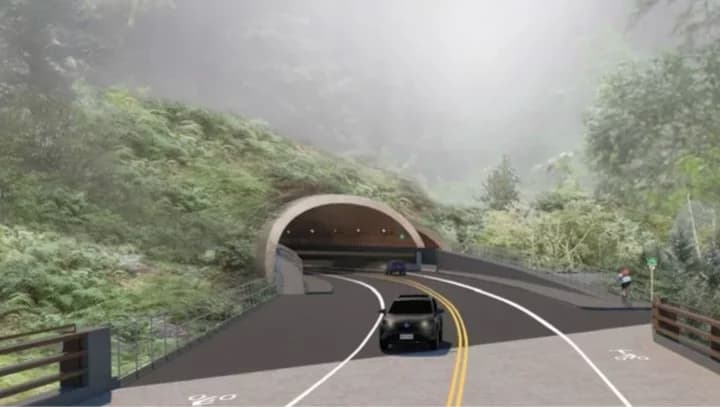
Caltrans has cleared a major environmental hurdle for the Last Chance Grade tunnel plan, but the long-troubled stretch of U.S. 101 south of Crescent City is still years away from any real relief from closures and emergency repairs.
The agency said it completed the Final Environmental Impact Report/Environmental Impact Statement and Final Section 4(f) Evaluation for the 3-mile segment just north of Wilson Creek, between Klamath and Crescent City. The documents respond to comments on the draft environmental study and move the project deeper into the approvals pipeline, where design work, right-of-way questions and funding decisions still have to line up before construction can begin.

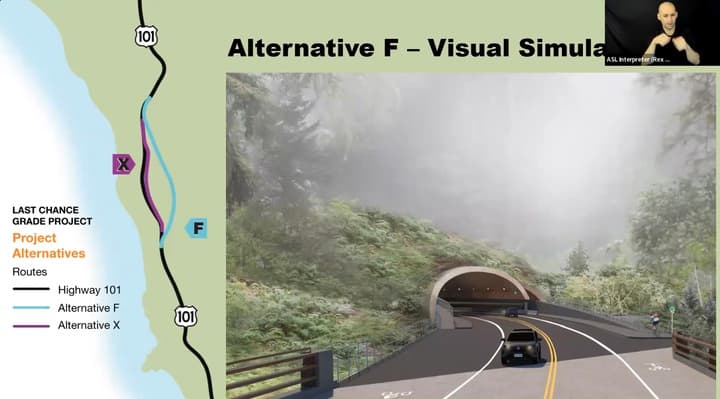
Last Chance Grade has long been one of the North Coast’s most fragile transportation links. The roadway runs through a geologically active corridor with four large active landslides, next to Redwood State and National Parks land, and Caltrans has spent decades trying to keep the highway open with temporary fixes. In June 2024, the agency selected Alternative F, a 6,000-foot tunnel that would bypass the unstable hillside and realign Highway 101. Caltrans says the tunnel would be the longest tunnel ever built in its history and the longest tunnel in California.
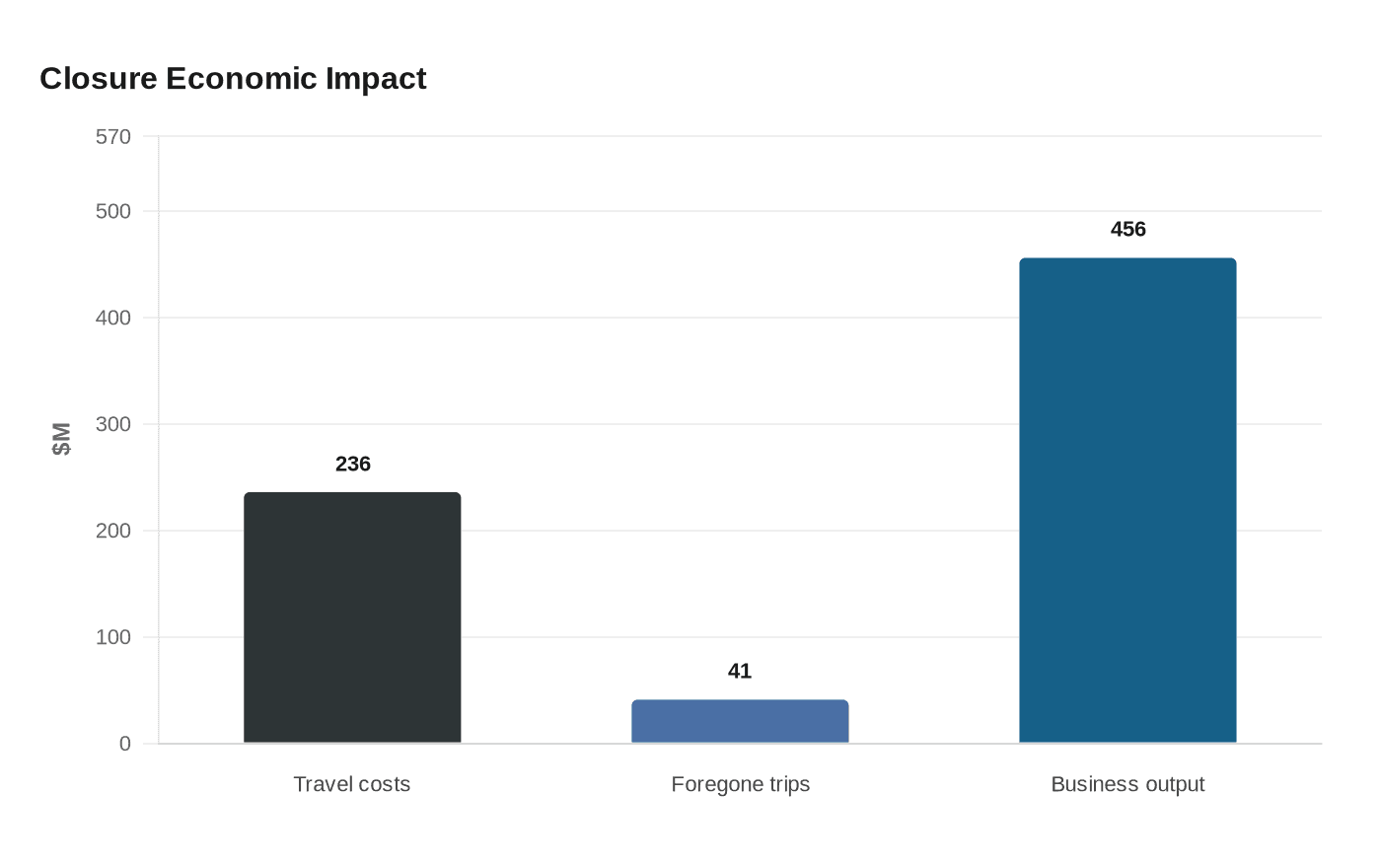
The stakes are not abstract. Caltrans materials say a full emergency closure of the current highway could force a 407-mile, 8-hour detour between Eureka and Crescent City. The agency estimates that one year of closure would cost $236 million in travel costs, $41 million in foregone trips, eliminate 3,800 jobs and cut $456 million in business output. That kind of disruption would ripple through freight movement, commuting, emergency response and the North Coast economy.

The environmental milestone does not mean the region is close to putting the closure threat behind it. Caltrans’ current schedule still puts design and permitting in 2026 through 2031, construction in 2031 through 2038 and a public opening in 2039. The project also remains dependent on future approvals and funding, even after the California Transportation Commission approved an additional $40 million for design in June 2025 and Caltrans set aside $45 million for the environmental phase in March 2019.
Caltrans first established the Last Chance Grade Partnership in March 2014 to coordinate with agencies and land managers affected by any realignment. For Humboldt County and the broader North Coast, the latest filing marks progress, but not protection. The road that links Del Norte County to the rest of California is still vulnerable, and the permanent fix is still a long way from opening.
This article was produced by Prism’s automated news system from verified source data, official records, and press releases, then run through automated quality and moderation checks before publishing. The system is built and supervised by the people who set the standards it runs under. Read our full AI policy.
Did this article answer your question?