Coastal Commission reviews plan to shield Humboldt fishing grounds from offshore wind
At a Half Moon Bay meeting the California Coastal Commission reviewed a draft statewide plan aimed at helping offshore wind developers avoid and mitigate impacts to commercial, recreational and tribal fisheries, a move that could shape protections for Humboldt fishing grounds.
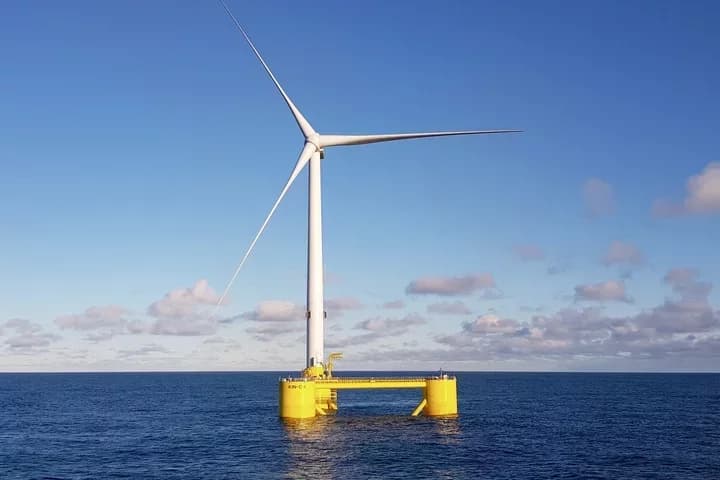
At a meeting in Half Moon Bay the California Coastal Commission reviewed a draft statewide plan developed by a multi‑stakeholder working group intended to help offshore wind developers avoid and mitigate impacts to commercial and recreational fisheries and tribal fishing interests. The review marks a point in state planning where siting and mitigation for offshore wind could be shaped to reduce conflicts with coastal fishing communities, including those in Humboldt County.
The plan under review, described in the commission meeting summary, is paired in the public record with comment letters that frame broader priorities for coastal policy. An Oct. 8, 2025 public comment submitted to Coastal Commission executive staff praised the commission’s institutional role, saying, "Enactment of the California Coastal Zone Conservation Act represented a seminal turning point in our State’s history Voters empowered this Commission to conserve and protect California’s coastal zone as a vital environmental resource. Your Strategic Plan is an important articulation of the Commission’s goals, objectives and commitment towards fulfilling its mandate from California’s voters. I applaud the Commission and its [...]"
Those public comments also highlight Tribal consultation and co‑stewardship as central elements. One submission reads, "The Tribe appreciates the Coastal Commission’s willingness to listen and to refine its Strategic Plan in collaboration with California Native American Tribes. The Draft 2026–2030 Strategic Plan demonstrates meaningful progress toward a more inclusive and equitable approach to coastal protection. By incorporating explicit commitments to government-to-government consultation, recognizing the unique nature of Tribal coastal access, and establishing mechanisms for co-stewardship and accountability, the Commission can ensure that the next fifty years of coastal protection reflect both the enduring vision of the Coastal Act and the deep, continuous relationship of California’s First Peoples to the ocean and shore. [...]"
Local government voices also appear in the submissions. A staff comment tied to the City of San Diego states, "Thank you for the opportunity to comment on the California Coastal Commission’s 2026-2030 Draft Strategic Plan. We applaud the Coastal Commission’s ongoing commitment to maintaining and enhancing the public’s access to the coast, and the City of San Diego looks forward to ongoing opportunities for collaboration to achieve our shared goals of equitable coastal access, building climate-resilient communities and protecting and enhancing sensitive biological resources." That comment goes on to note the commission’s role in preserving public access: "The Coastal Commission’s successes in ensuring the public’s access to the coast are truly remarkable. Californians and visitors from across the world benefit from these efforts every day, enjoying what in other places may be reserved for private interests or the wealthy only."
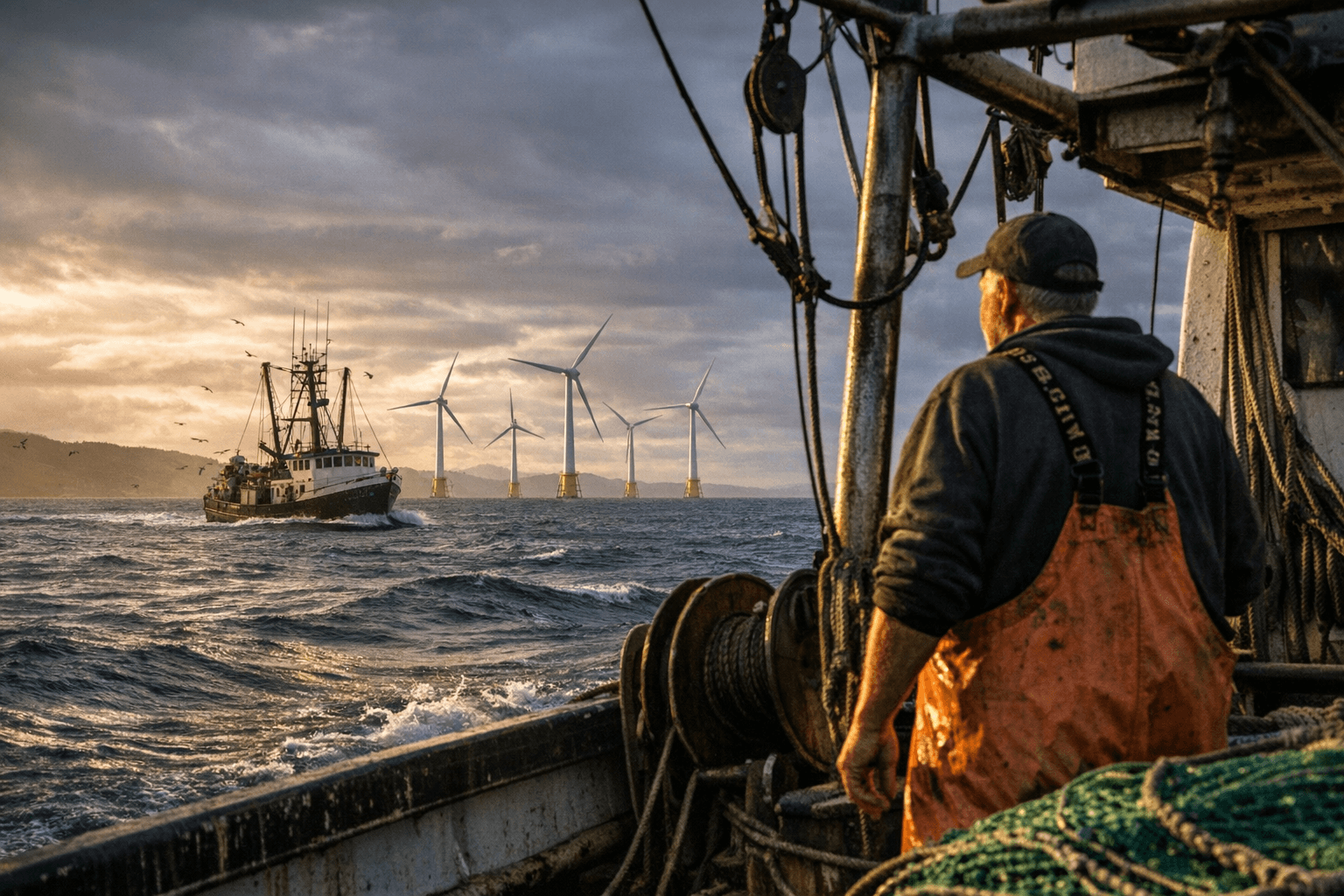
The materials provided to this newsroom leave several specifics unresolved. The meeting summary names Half Moon Bay as the review location but does not list a meeting date or the working group roster. The Oct. 8, 2025 public comment addresses a "Draft 2026–2030 Strategic Plan," but the record does not explicitly confirm whether that Strategic Plan is the same text reviewed in Half Moon Bay. That distinction matters because Humboldt County’s commercial and tribal fishers will bear the practical impacts of any siting, exclusion, or mitigation rules that follow.
For Humboldt, the immediate stakes are clear: state planning will influence where offshore wind developers can operate, what mitigation measures are required, and how tribal fishing access is recognized. Local fishery representatives and Tribal governments should track Coastal Commission agendas and request the full draft texts, meeting minutes and the working group membership to assess how proposed measures would affect gear use, access and harvest patterns.
What comes next is procedural but consequential. The Coastal Commission must publish or confirm the draft text it reviewed, clarify whether the Strategic Plan and the working‑group draft are the same, and record any directives to the working group or staff. Those documents will determine whether Humboldt’s fishing grounds receive explicit protections as offshore wind development advances along the North Coast.
This article was produced by Prism’s automated news system from verified source data, official records, and press releases, then run through automated quality and moderation checks before publishing. The system is built and supervised by the people who set the standards it runs under. Read our full AI policy.
Did this article answer your question?