Cultural Burning Returns to Smith River, Restores Tolowa Dee ni’ Stewardship
Tolowa Dee ni’ Nation practitioners conducted a cultural burn on October 21, 2025 at See tr’ee ghin dvm dvn, also known as Peacock Bar, along the Smith River, marking the first cultural burning in that place since the 1850s. The restoration effort supported by California State Parks, CAL FIRE and federal partners aims to revive traditional plant communities, protect cultural resources, reduce wildfire risk, and model cooperative stewardship for the North Coast region.
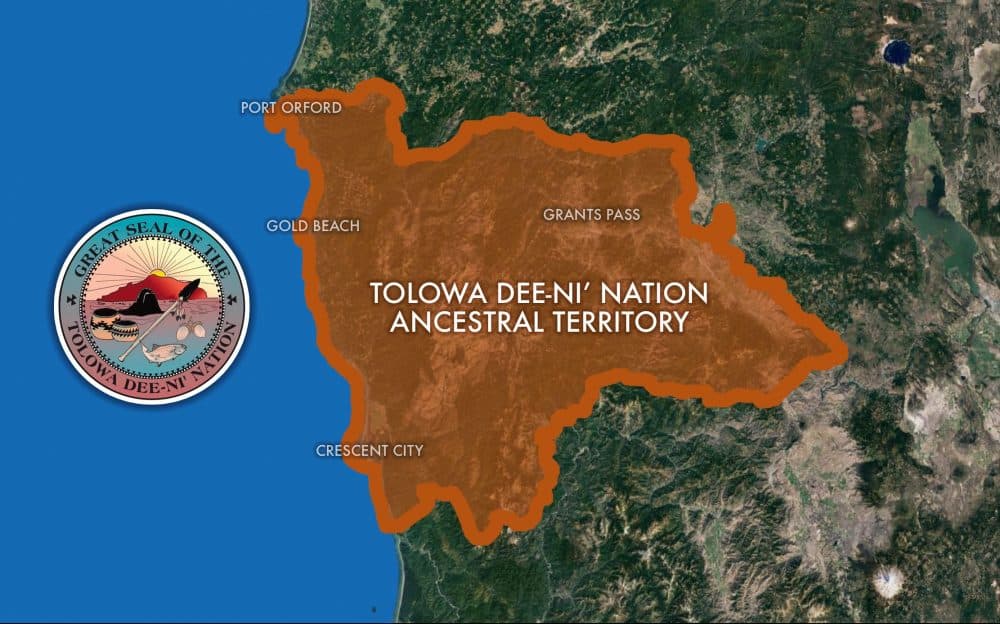
Tolowa Dee ni’ Nation practitioners carried out a roughly 10 acre cultural burn on October 21, 2025 at See tr’ee ghin dvm dvn, commonly called Peacock Bar, within Jedediah Smith Redwoods State Park along the Smith River. The project, reported November 26, represents the first intentional cultural burning at that location since the 1850s and was conducted with operational support from the North Coast Redwoods District of California State Parks, CAL FIRE and federal partners.
Organizers described the work as ecocultural restoration, using fire to promote desired oak woodland and mixed conifer stewardship practices that historically shaped the landscape. The burn targeted the restoration of plant communities that provide traditional resources for the Tolowa Dee ni’ people, including materials for basketry, medicines and foods, while reducing the amount of surface fuels that can drive high intensity wildfire.
The collaboration highlights a growing pattern of co stewardship between tribal nations and state and federal agencies across the North Coast. For Humboldt County residents the work carries practical implications for local wildfire resilience and ecosystem management. Techniques developed and refined in coordinated cultural burns influence fuels reduction strategies for neighboring forests, inform permitting and training protocols, and may shape how agencies allocate resources for seasonal burning programs.
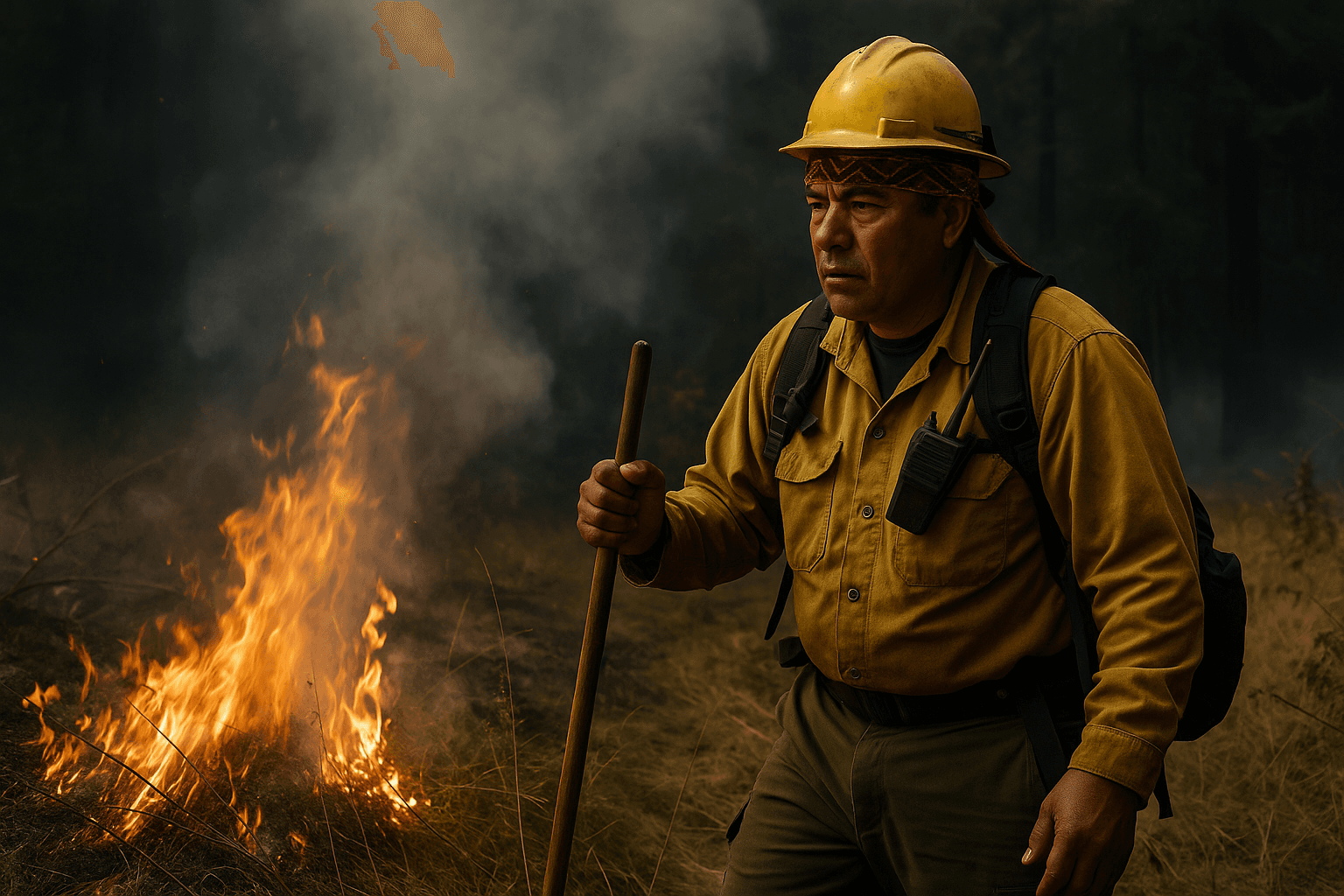
The project also raises governance questions for local officials and voters about how to prioritize funding, training and regulatory support for Indigenous led stewardship across public lands. As more jurisdictions consider expanding cultural burning, agencies will need clear procedures for safety planning, cross jurisdictional coordination and public engagement to ensure both cultural goals and community safety are served.
Practical outcomes from the Peacock Bar burn will be monitored by the partnering agencies and tribal practitioners. The operation offers a model for integrating traditional ecological knowledge into contemporary land management, while underscoring the necessity of sustained institutional support for long term restoration and wildfire risk reduction in the region.
Know something we missed? Have a correction or additional information?
Submit a Tip

