Eureka dining facility loses volunteers, youth step in to help
St. Vincent de Paul of Humboldt County saw a shift at its long running Eureka dining facility on November 25, 2025 as longtime volunteers have begun retiring and local schools and service clubs increased their involvement. The change matters to residents because continuity of meal services depends on a stable volunteer base, and the new youth participation brings both labor and civic education but also raises questions about sustained staffing and organizational capacity.
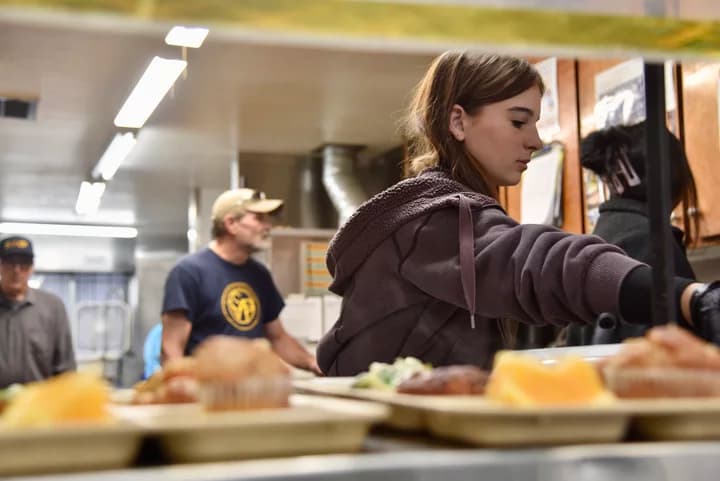
St. Vincent de Paul’s Eureka dining facility experienced an observable change in volunteer demographics on November 25, 2025 as a wave of retirements among longtime helpers opened gaps in day to day operations. Local schools and service clubs stepped into that space, with students from St. Bernard’s Academy and East High joining volunteer rotations and partnerships with Soroptimist groups providing additional hands for meal preparation and service. The influx of younger volunteers kept meal service running while revealing longer term challenges for the nonprofit.
The immediate impact was practical. Volunteers traditionally handle food prep, meal service and cleanup, and without replacement labor the facility risks reduced hours or lower meal capacity. Youth volunteers supplied needed labor during a critical time, maintaining service continuity for residents who rely on daily meals. Beyond those immediate needs, the presence of students at the facility served as a form of civic education, exposing young people to direct service work and the operational realities of nonprofit delivery.
Organizational leaders are balancing the benefits of this new pipeline against recruitment and retention challenges. Younger volunteers often serve on shorter schedules and require more training and supervision, which shifts staff time toward onboarding. The departure of experienced volunteers also raises institutional continuity concerns, including loss of informal knowledge about kitchen procedures, supplier relationships and volunteer coordination. Those gaps can increase operating risk, particularly at a moment when public and private funding decisions at the local level will affect nonprofit capacity.
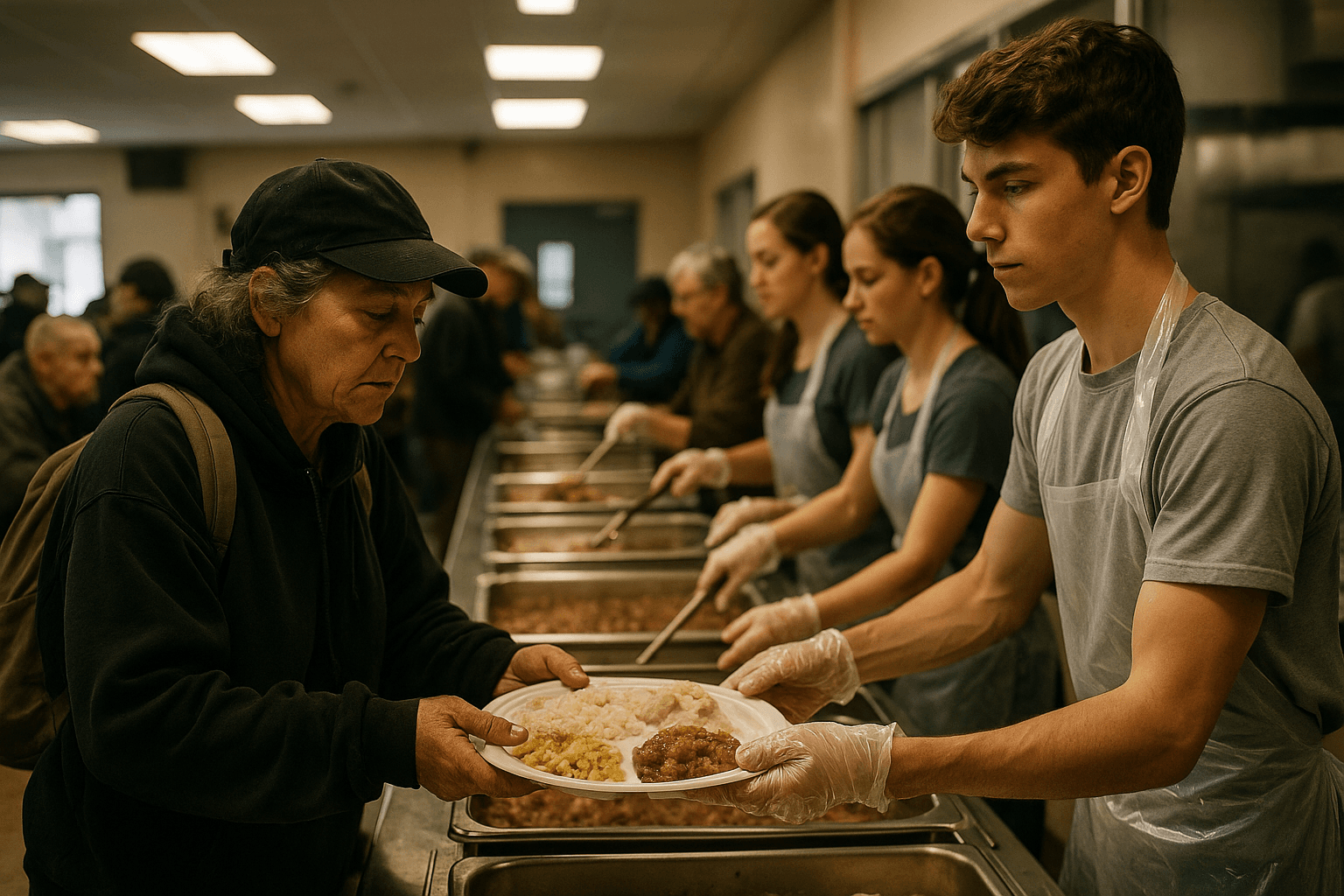
The situation highlights policy implications for Humboldt County. Reliance on volunteer labor for essential food services intersects with questions about long term funding, workforce development, and the role of civic education in sustaining community safety nets. Local officials, school administrators and nonprofit boards may need to coordinate to formalize volunteer pipelines, invest in training, and consider whether paid positions are necessary to guarantee uninterrupted service.
Community members who want to help are encouraged to contact St. Vincent de Paul of Humboldt County to learn about current volunteer opportunities and requirements. Continued civic engagement from residents and institutions will be important to maintain meal services for vulnerable populations.
This article was produced by Prism’s automated news system from verified source data, official records, and press releases, then run through automated quality and moderation checks before publishing. The system is built and supervised by the people who set the standards it runs under. Read our full AI policy.
Did this article answer your question?