Eureka faces planning for 1,740 homes including 967 low-income units
Eureka was assigned up to 1,740 new homes for 2027–2035, including 967 low-income units; the allocation raises local planning and equity concerns.
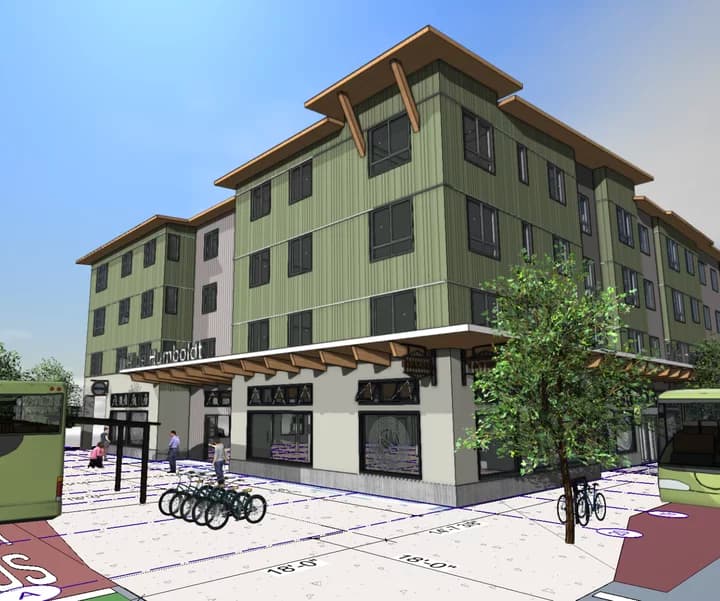
“Eureka must plan for as many as 1,740 new homes over the next decade, including 967 units for low-income residents.” That assignment, discussed at Eureka City Council and staff meetings Jan. 6–7, crystallized a regional fight over how California distributes housing responsibility and what it will mean for Humboldt County.
The figure is part of the Regional Housing Needs Allocation, or RHNA, for 2027–2035. Eureka’s draft share, as many as 1,740 units, represents more than a third of the countywide total of 5,962 units, and nearly half of those units are designated for lower-income households. City staff and several councilmembers raised alarm that the methodology used to set allocations, which heavily weights vehicle-miles-traveled and opportunity scores, effectively concentrates low-income housing in Eureka rather than spreading need across the county.
City staff sent a formal letter to the Humboldt County Association of Governments outlining those concerns. At their Jan. 6 meeting the council unanimously directed staff to submit a formal appeal of the allocation. Filing an appeal would trigger a regional review and extend the local RHNA adoption timeline by about 45 days, pushing back when jurisdictions must adopt local housing elements and begin zoning changes to accommodate the numbers.
RHNA is a state-mandated process that assigns housing targets by income level to cities and counties, with the goal of aligning local planning with statewide housing and equity goals. Appeals are the mechanism jurisdictions can use to challenge either allocation numbers or the methodology that produced them. In Humboldt, the debate over the current draft highlights tension between climate-oriented metrics - like reducing vehicle miles traveled - and the county’s dispersed settlement pattern, limited transit corridors, and scarce shovel-ready sites outside Eureka.

For Eureka residents, the immediate questions are practical: where would these units go, what infrastructure and services would be needed, and how will the city balance affordable housing needs with local priorities like preserving neighborhood character and protecting critical coastal and forested lands? Countywide, the allocation raises concerns that smaller towns and unincorporated areas could be relieved of planning responsibility even as regional affordability and displacement pressures persist.
Local stakeholders will have a window during the appeal and subsequent hearings to press for adjustments, mitigation measures, or regional strategies that spread affordable housing obligations more evenly. Our two cents? Keep an eye on council and HCAOG agendas, show up to comment, and ask concrete questions about site availability, sewer and transit capacity, and protections against concentrated impacts so Humboldt shapes these numbers to fit local realities.
This article was produced by Prism’s automated news system from verified source data, official records, and press releases, then run through automated quality and moderation checks before publishing. The system is built and supervised by the people who set the standards it runs under. Read our full AI policy.
Did this article answer your question?