Eureka home and garden tour spotlights nine distinctive local properties
Nine Eureka homes reveal how preservation, gardens, and small upgrades shape neighborhood identity, from a 1904 Queen Anne on Hillsdale to festival-like tour stops.
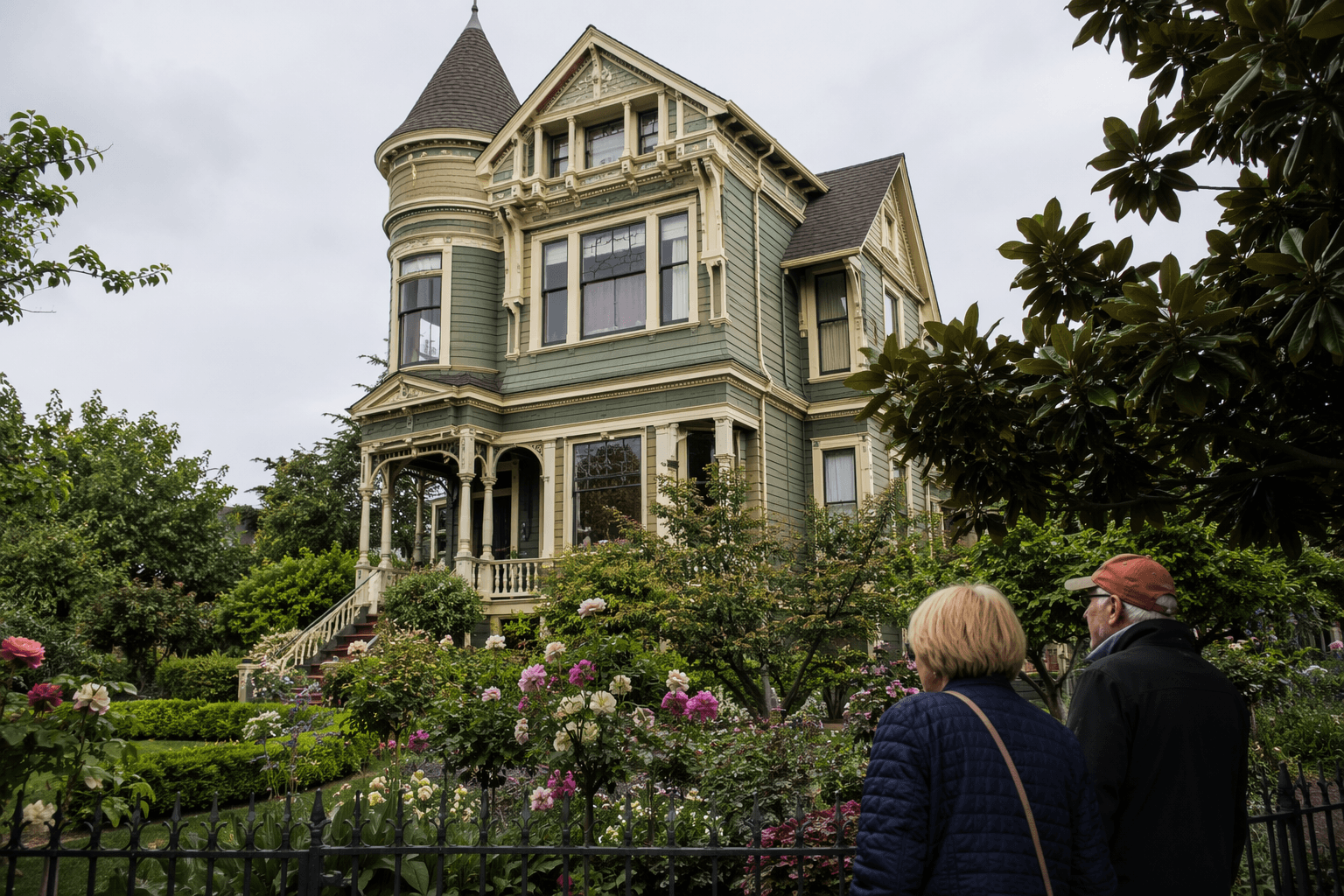
Nine local homes put Eureka’s residential character on display, turning a photo feature into a close look at how the city cares for its built environment. The tour matters because it shows more than attractive facades: it shows how neighbors restore, adapt, plant, and preserve homes that reflect Eureka’s Victorian roots and coastal climate.
A tour that reads like a neighborhood census
The photo feature spotlights nine local homes, and that number alone says something about how much variety sits behind Eureka’s front yards and fences. Other local listings have described the annual Heritage Society tour as 10 beautiful properties, including six unique homes and four gardens, while another version centered on 8 gardens at 1000 F Street with tickets priced at $25 in advance and $35 on the day of the tour.
That spread of descriptions makes the event feel less like a single house tour and more like a cross-section of how people live in Eureka. Readers come to see different approaches to old houses, additions, landscaping, and upkeep, which is why the tour draws homeowners, neighbors, and visitors looking for a clearer picture of the city’s residential identity.
The Queen Anne at 232 Hillsdale Street
One of the clearest anchors in the tour is the late Queen Anne at 232 Hillsdale St., built for Peter Delaney in 1904. The Delaney family kept the house until 1981, giving it a long family history that still shows in the way the property is described.
The house’s complex gabled roof, gingerbread cornices, and classical portico place it firmly in Eureka’s historic architectural story. Its middle parlor carries a more personal detail too: Helen Delaney used that room for countless songs, a reminder that preservation here is not only about trim and rooflines but also about family memory.
Why older houses matter here
Eureka’s home tour lands in a city where Victorian architecture and older housing stock are part of everyday scenery, not museum pieces. That makes the event a practical window into how residents keep aging properties livable, from restoring original details to adapting historic structures for modern use.
The appeal is not simply aesthetic. In neighborhoods where curb appeal and visible upkeep shape how blocks feel, a tour like this shows the work behind the scenes, including maintenance decisions that help houses stay sturdy and welcoming in a coastal environment.
Gardens as a coastal design language
The garden side of the tour is just as revealing as the houses themselves. One local listing described the Heritage Garden Tour as featuring 8 gardens, and the broader event descriptions paired the homes with landscaping, refreshments, and a pop-up garden store.
That matters in Eureka, where climate and character shape what thrives outside as much as what survives inside. The gardens suggest a style of local living that values resilience, seasonal color, and yards that work with the weather rather than against it.
Music and artists turn the route into a festival
A summer 2024 Eureka Heritage Society newsletter said live music and artists at work added to the festive atmosphere at the annual tour on Sunday, June 23. That detail changes the event from a static home showcase into something closer to a neighborhood celebration.

The same sense of occasion shows up in the way related listings describe refreshments and working artists on site. Instead of moving quickly from one doorway to the next, visitors are encouraged to linger, talk, and see the tour as a shared public event as much as a design outing.
A boost for the people who keep houses standing
Home tours often create ripple effects beyond the ticketed route. In Eureka, that includes the contractors, landscapers, designers, and artisan vendors whose work supports repairs, garden upkeep, and the kind of restoration that keeps older homes standing.
The tour also gives local homeowners a practical reference point. Seeing how others handle additions, planting, and preservation can influence the next round of improvements on nearby streets, which is part of why this event resonates with people who care about the city’s long-term housing stock.
Housing quality is part of neighborhood health
This kind of coverage matters because housing quality is a quality-of-life issue, not just a style conversation. In Humboldt County, people notice whether homes are kept up, whether yards are cared for, and whether older buildings are being adapted in ways that still respect their bones.
The photos capture maintenance, style, and curb appeal, but they also point to a broader public concern: how to make aging properties resilient, attractive, and livable over time. That is part of neighborhood well-being in Eureka, where the condition of the built environment shapes how people experience daily life.
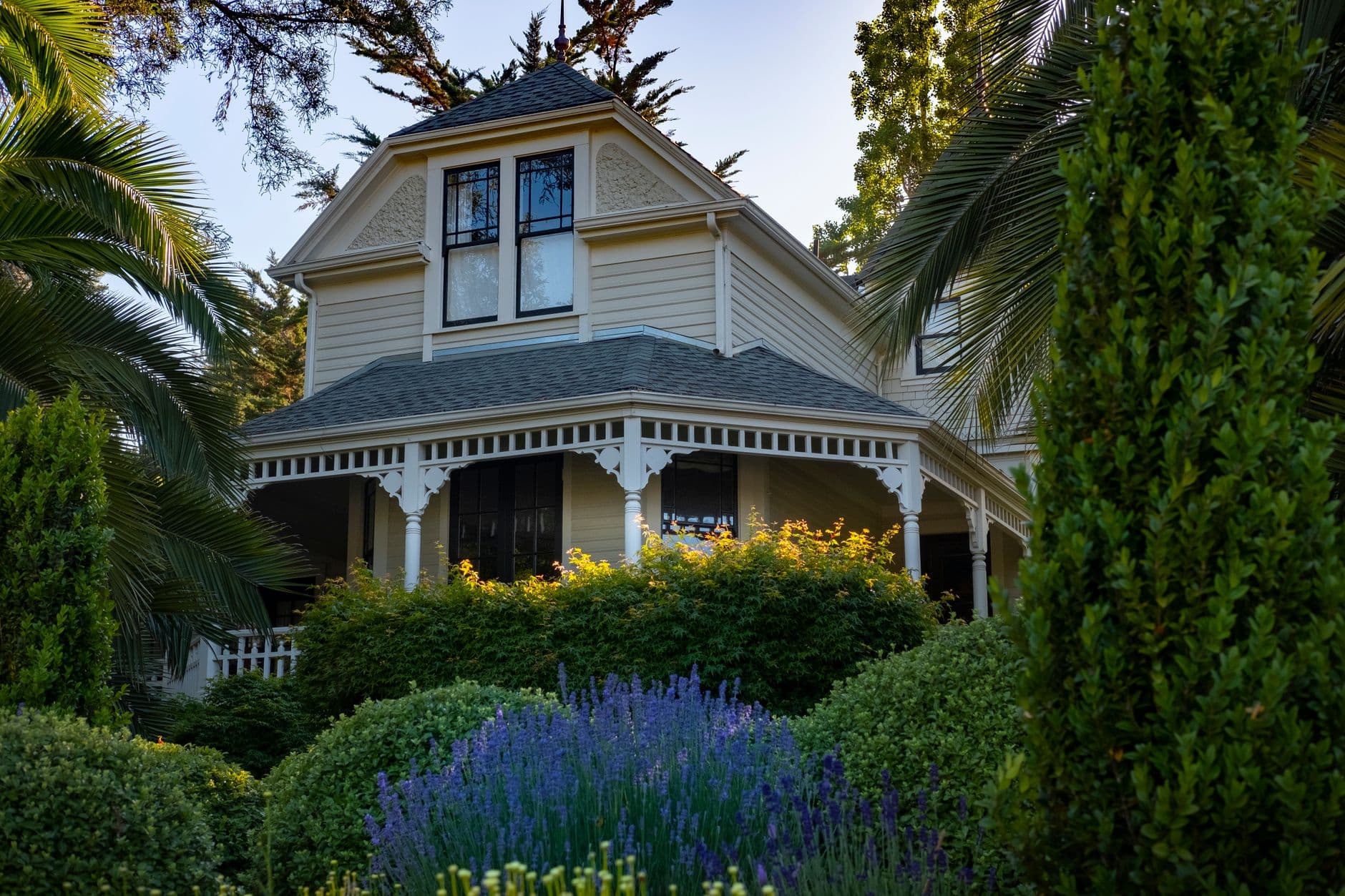
Eureka Heritage Society has been at this since 1973
The tour is part of a longer preservation culture tied to the Eureka Heritage Society, which was established in 1973. Its annual Home and Garden Tour is one visible way that work continues in the city year after year.
That continuity matters because it frames preservation as ongoing civic practice, not a one-off event. The society’s role helps explain why the tour keeps returning as a local fixture, with homes and gardens serving as public evidence that heritage can be cared for, not just admired.
What the nine-home spotlight says about Eureka now
The strongest takeaway from the nine-home feature is that Eureka’s neighborhoods are being shaped by people who value both history and livability. The tour highlights residents who invest in their properties, and that investment gives the city a more specific identity than any single headline about politics or infrastructure.
Seen together, the homes, gardens, music, and preservation work show a city that understands its future through the condition of its streets. In Eureka, the most revealing civic stories are often the ones told through porches, parlors, and yards.
This article was produced by Prism’s automated news system from verified source data, official records, and press releases, then run through automated quality and moderation checks before publishing. The system is built and supervised by the people who set the standards it runs under. Read our full AI policy.
Did this article answer your question?