Eureka installs mini traffic circles in Vision Zero pilot
Temporary mini traffic circles are now changing G Street at Humboldt and Pine at Hawthorne as Eureka tests whether low-cost fixes can slow traffic and protect people walking and biking.
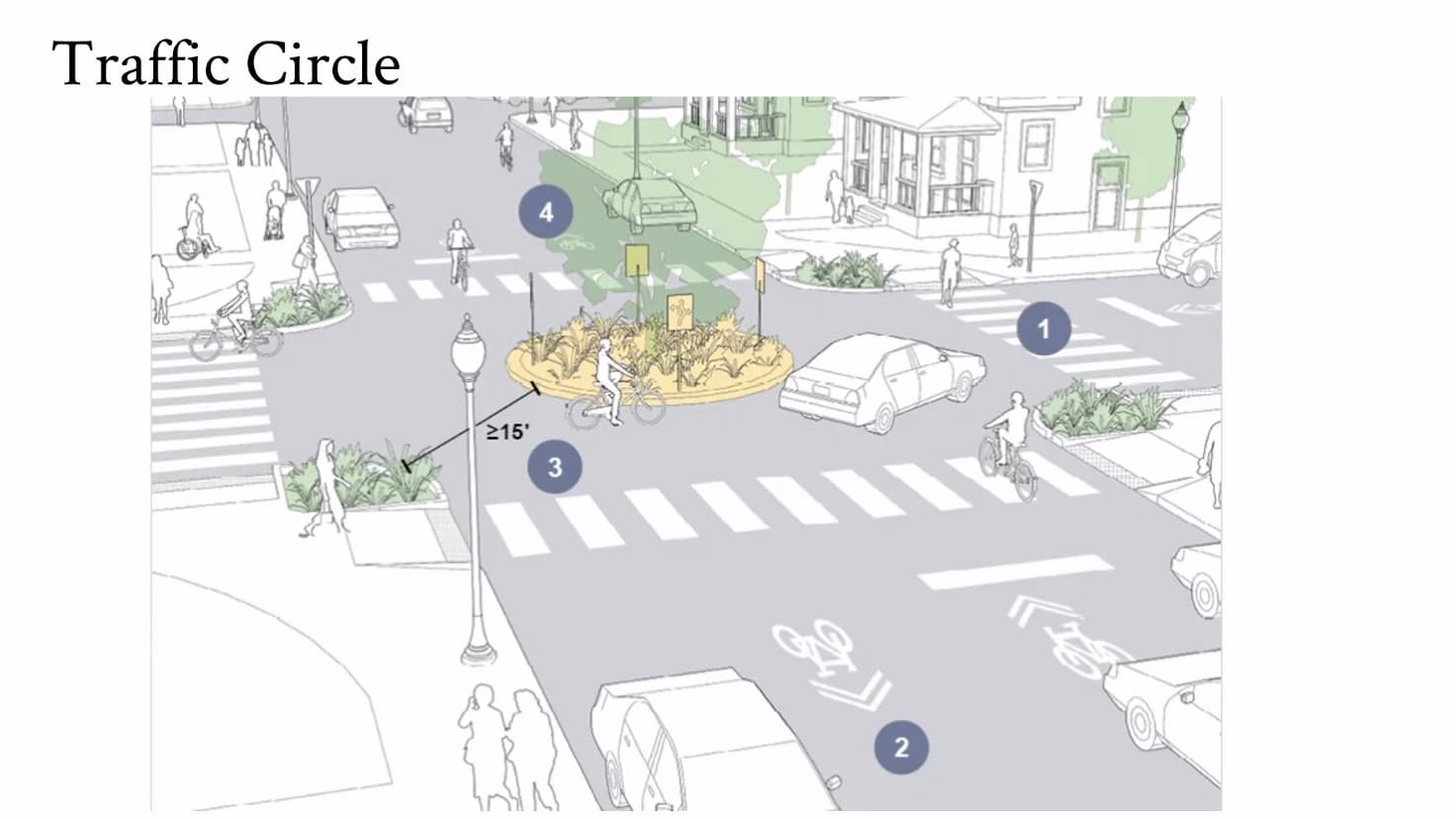
Drivers at G Street and Humboldt Street, and at Pine Street and Hawthorne Street, are now meeting temporary mini traffic circles as Eureka tries a fast, low-cost safety fix in two everyday neighborhood intersections. The pilot began June 18 at 9 a.m. and is expected to run for about two months, giving the city a live test of whether a different street layout can slow vehicles and improve safety without major construction.
At both sites, the city has installed temporary mini roundabout striping, wheel stops and delineators. The changes are meant to calm traffic, reduce vehicle speeds and make the intersections safer for people on foot and on bikes. In practical terms, the pilot shifts the street from a straight-through, familiar crossing pattern to one that asks drivers to move more deliberately through the intersection and pay closer attention to everyone else using the space.
Eureka is not treating the experiment as a guess. City officials said they will collect video footage and observational data before the installation and throughout the pilot, then compare conditions before, during and after the project. They will look at driver behavior, traffic operations, pedestrian activity and overall safety. If the design works, the data could support more permanent traffic-calming improvements later. If it falls short, the city will still have evidence to guide the next round of changes.
The stakes are regional as well as local. Humboldt County’s Vision Zero materials say 111 people died in motor vehicle collisions from 2019 to 2023, a grim backdrop for smaller interventions like temporary circles, wheel stops and delineators. Humboldt County Association of Governments says final recommendations from its regional Vision Zero effort are expected later in 2026, and similar safety demonstrations are planned in Arcata, Fortuna and Ferndale.

Vision Zero began in Sweden in the 1990s and is now used in communities across the United States. In Eureka, the pilot fits into a broader safety framework that includes the city’s Transportation Safety Action Plan, updated January 3, 2024 with 2020-2023 collision data. It also lands in a city where redesign efforts have already drawn attention: the G Street Bike Boulevard survey opened April 17 and received 1,050 responses, plus additional comments by email, phone and door-to-door conversations.
That level of interest matters because the pilot is taking place on streets people use every day. For Eureka, the question is not whether the intersections will look different for a few weeks. It is whether small changes in geometry can produce safer behavior now, and a better blueprint for the next round of street fixes later.
This article was produced by Prism’s automated news system from verified source data, official records, and press releases, then run through automated quality and moderation checks before publishing. The system is built and supervised by the people who set the standards it runs under. Read our full AI policy.
Did this article answer your question?