Eureka survey shows fewer unhoused residents sleeping in shelters
Eureka’s latest homeless survey found fewer people sleeping in shelters, but officials still cannot tell whether residents moved into housing, avoided shelters or ended up in more exposed places.

Fewer unhoused people in Eureka said they slept in a shelter the night before the city’s latest survey, but officials still could not explain whether that meant more people found housing, more people were turned away, or more people ended up in doorways, alleys and other exposed places downtown.
At Eureka City Council’s Tuesday-night meeting, police and outreach staff presented the 2026 homelessness survey, conducted from March 8 through April 4 by the Eureka Police Department’s Community Safety Engagement Team with Uplift Eureka and Crisis Alternative Response Eureka. The survey reached 239 people, up from 221 in 2024. The biggest shift was shelter use: 26% of respondents said they slept at a local shelter the night before, down from roughly 46% two years earlier.
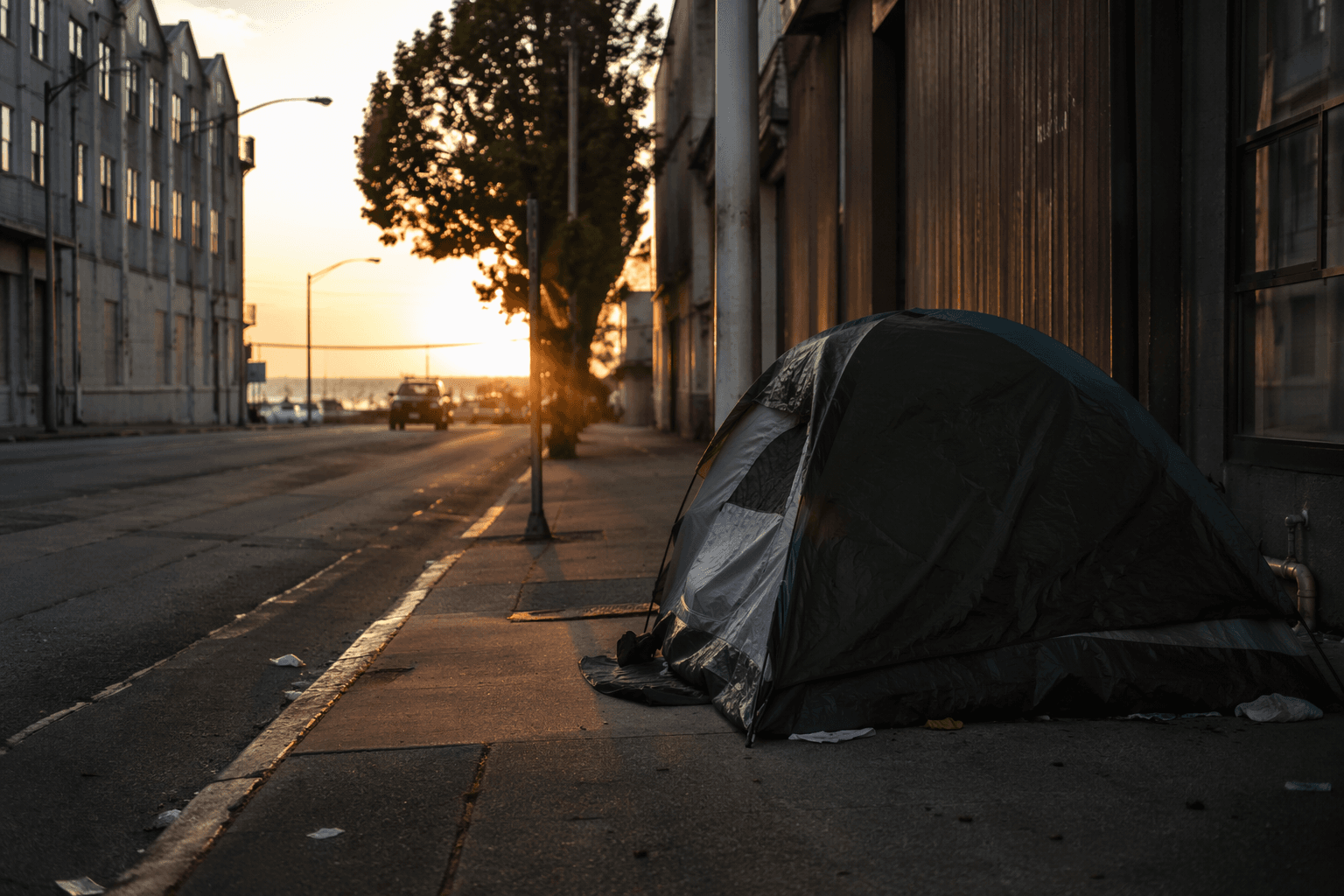
That drop matters in Eureka because the shelters named in the discussion, the Eureka Rescue Mission and Betty Chinn’s Blue Angel Village, are among the city’s main emergency options. The survey also showed fewer people reporting that they slept in greenbelt encampments, while more said they were sleeping in doorways and alleyways. Taken together, the answers suggested a movement away from semi-hidden camps and toward more visible locations in and around downtown Eureka. The number of people sleeping in vehicles was about the same as in 2024.
Eureka Police Department Commander Leonard La France told the council the shelter decline was large enough to stand out, but he could not say why it happened. Sergeant Brian Ross, who supervises the survey work, said some interviews were done at Free Meal, St. Vincent de Paul’s dining facility in Eureka, rather than at shelters, which may have affected the sample. Ross also said some residents may have been excluded from shelters for behavior issues, pushing them back outside. He said substance use remained a major barrier to entering or keeping a shelter bed, and that some people may prefer to stay near Free Meal because they feel safer there.
Councilmember G. Mario Fernandez asked whether the lower shelter use could mean more people had moved into permanent or transitional housing. The survey did not provide a firm answer, leaving city officials with a narrow but important problem: the city knows fewer people are sleeping indoors, but not where the difference went.
That uncertainty comes as Humboldt County continues to track a large regional homelessness crisis. The county’s 2024 Point-in-Time count identified 1,573 people experiencing homelessness on a single night in January, and the Humboldt Housing & Homelessness Coalition says those counts help determine state funding and local service needs. The coalition, established in 2004, coordinates the countywide Continuum of Care, and residents can reach coordinated entry by dialing 211.
HUD’s 2024 local inventory lists emergency shelter beds in Eureka at the Rescue Mission and Blue Angel Village, while Arcata House Partnership continues to provide shelter, outreach, food assistance and case management elsewhere in the county. For Eureka, the latest survey suggests the next policy decisions on shelter funding, outreach strategy and enforcement will hinge on a question the city still cannot answer with confidence: where did those residents go?
Know something we missed? Have a correction or additional information?
Submit a Tip