Eureka vacant building rules, enforcement gap raises local concerns
An examination of Eureka's vacant building ordinance found a mismatch between the city code and the way enforcement has proceeded, exposing properties that remain unmaintained despite a monthly fine schedule. The gap matters to residents because allowed vacancies undermine neighborhood safety, reduce housing availability, and shift enforcement burdens onto city staff and taxpayers.
City records and field observations on December 11, 2025 revealed that Eureka's vacant building ordinance, designed to incentivize maintenance and reduce blight, has not produced consistent enforcement outcomes. The ordinance contains a schedule of penalties that escalate monthly for buildings left unmaintained, yet multiple properties in residential and commercial corridors remained vacant without apparent action from city enforcement during the period examined.
The ordinance was adopted to compel owners to secure, repair, or return units to productive use. Its penalties include recurring fines that are intended to create a financial incentive for timely remediation. Despite that framework, enforcement has been intermittent, constrained by limited staff capacity, procedural exceptions, and legal obstacles that complicate efforts to compel repairs or boarding. City officials and community members described enforcement capacity limits, cited exceptions in the code, and pointed to practical barriers when trying to move properties from neglected status to active use.
The local impact is tangible. Vacant buildings can attract illegal activity, create safety hazards, and depress adjacent property values. For a city that faces a tight housing market, prolonged vacancies also represent lost housing opportunities. Commercial districts with visible vacancies risk reduced foot traffic and investment, while residential neighborhoods cope with blight and maintenance burdens that fall on neighbors and municipal services.

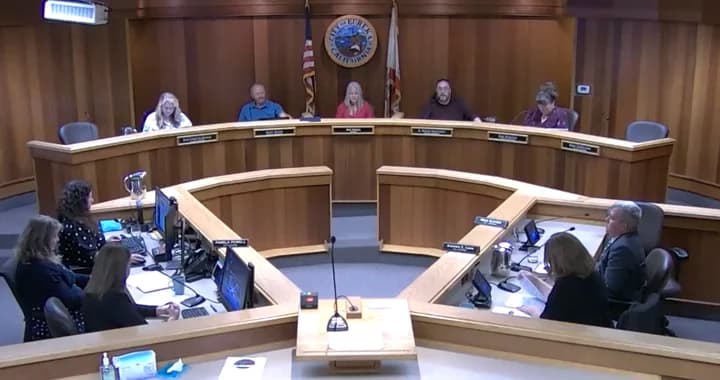
Institutionally, the gap highlights a broader governance challenge. Enforcement of land use and building codes requires not only clear statutory language, but also dedicated staffing, nimble interdepartmental coordination, and robust legal tools to address complex ownership situations. Some property owners can invoke exceptions, extended permitting timelines, bankruptcy protections, or cost barriers to rehabilitation, all of which prolong vacancy and complicate enforcement. Closing the gap will require City Council attention to resource allocation, code clarity, and procedural pathways that balance property rights with community welfare.
Moving forward, residents seeking change should monitor council agendas where enforcement policy and budgeting decisions are set, and engage in public comment processes that shape local priorities. For now, the mismatch between ordinance text and enforcement practice leaves neighborhoods bearing the visible costs of vacancy while institutional solutions remain under discussion.
This article was produced by Prism’s automated news system from verified source data, official records, and press releases, then run through automated quality and moderation checks before publishing. The system is built and supervised by the people who set the standards it runs under. Read our full AI policy.
Did this article answer your question?