High Gas Prices Haven't Boosted Humboldt Bus Ridership Yet, Officials Say
Gas prices are up sharply across Humboldt, but the county's buses aren't filling up. HTA deputy GM Katie Collender says the shift takes months, not days, in a car-dependent rural county.
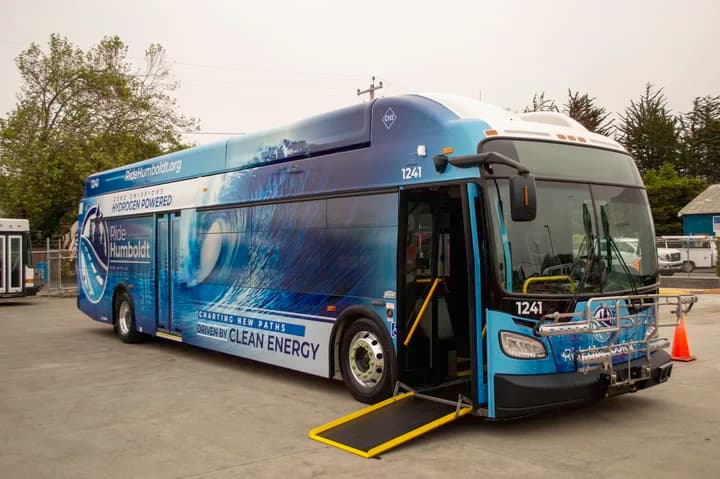
Every weekday, thousands of Humboldt County drivers make the same Highway 101 runs south: Arcata to Eureka, McKinleyville to the county seat, Fortuna past Loleta and into town. Gas prices have climbed sharply at pumps across the region. Almost none of those drivers have switched to the bus.
Humboldt Transit Authority deputy general manager Katie Collender said the agency had not seen a significant ridership jump as of early April, even as fuel costs rose noticeably. If prices stay elevated, Collender said, "definitely" more people would start using the bus more regularly, but that definite move had not materialized yet. The behavioral shift that higher pump prices are expected to trigger, she explained, plays out over months rather than days.
The math for a Humboldt commuter looks compelling on paper. The Redwood Transit System, HTA's intercity service, charges adults $2.10 per ride and runs six days a week, Monday through Saturday, connecting Fortuna, Eureka, Arcata, and McKinleyville. Fortuna riders have a dedicated Park and Ride facility on the north side of town to ease the first- and last-mile problem. On a 20-mile Fortuna-to-Eureka round trip, or the 14-mile McKinleyville-to-Eureka corridor, the cost difference between bus and car is real money over a month of commuting. For the shorter eight-mile Eureka-Arcata hop, the fuel savings narrow for solo drivers, but the fare still undercuts most car trips when parking and wear are included.
The structural challenge is time and schedule mismatch, not price. Driving from Fortuna to Eureka runs roughly 25 minutes on clear US-101 conditions. Driving Eureka to Arcata takes about 14 minutes. The bus, with its fixed departure windows and intermediate stops, takes considerably longer on both corridors, and there is no guarantee a departure aligns with a given employer's start time. RTS does not run on Sundays, a hard ceiling for retail, healthcare, and hospitality workers with weekend shifts.
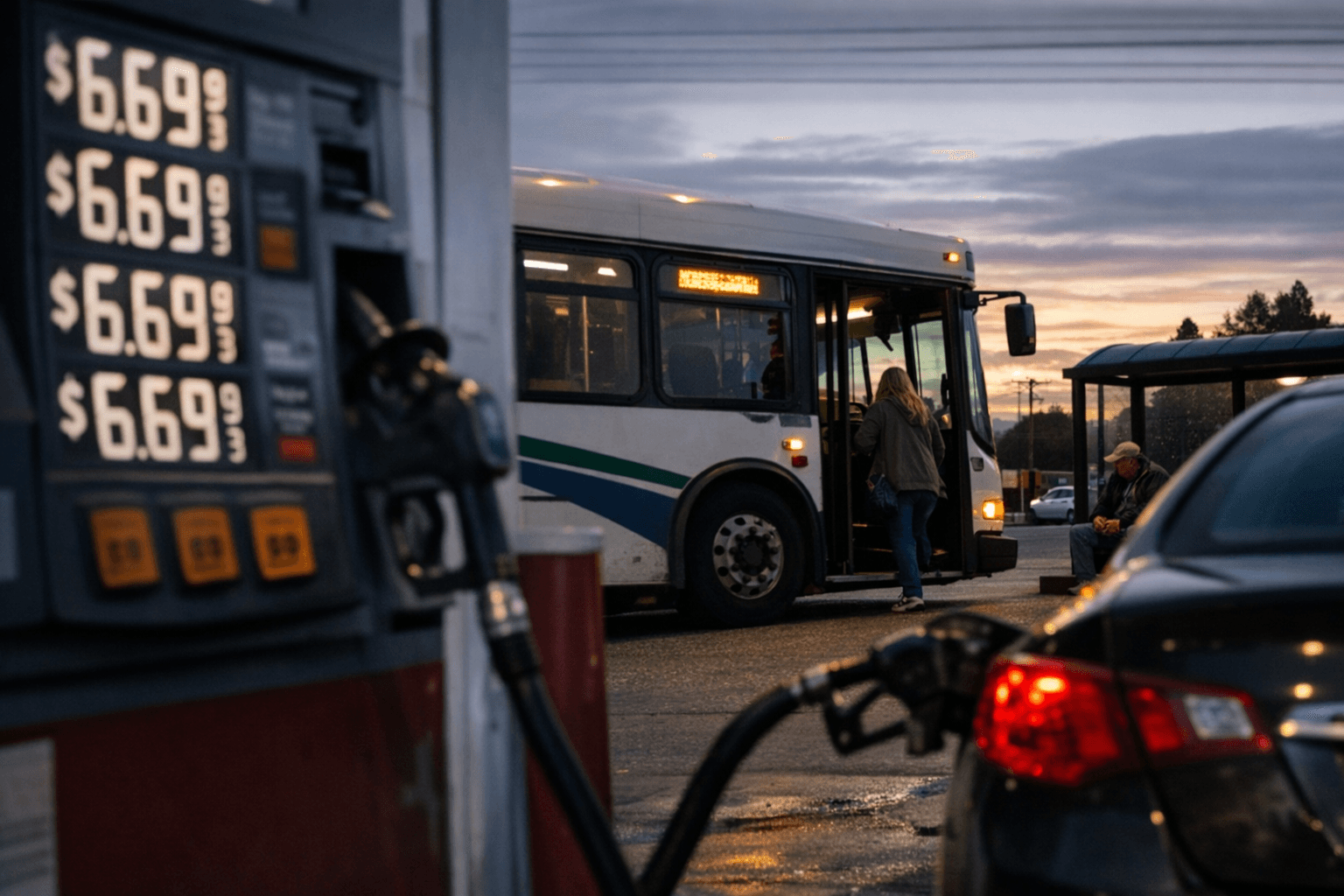
Collender pointed to trust as the underlying friction keeping drivers in their cars. Riders need to adapt their schedules, confirm that transit will meet their needs reliably, and absorb the inconvenience of coordinating a household around bus times, before they commit to leaving the car home. In a county where a single commute can span 20 miles of Highway 101, with few alternative routes and limited evening service, that calculation remains tilted toward driving even when gas is expensive.
The pattern is not unique to Humboldt. Transit agencies across California reported similar lags during previous fuel price spikes, and analysts have consistently found that sustained ridership gains require deliberate service improvements alongside price pressure. Micro-transit and carpooling options could cushion the gap, but those alternatives remain unevenly available in rural Northern California.
HTA has not publicly named the single service change most likely to accelerate a shift. But Collender's own framing of the problem, centered on reliability and schedule fit rather than fare cost, suggests the agency knows where the friction actually lives.
This article was produced by Prism’s automated news system from verified source data, official records, and press releases, then run through automated quality and moderation checks before publishing. The system is built and supervised by the people who set the standards it runs under. Read our full AI policy.
Did this article answer your question?