How to Visit Humboldt’s Lost Coast Safely - Practical Tips and Local Impact
The Lost Coast near Black Sands Beach, Mattole and Shelter Cove offers dramatic, remote coastline but limited access and services. This primer explains how to plan visits safely, what to expect on roads and beaches, and why preparation matters for residents and local economies.
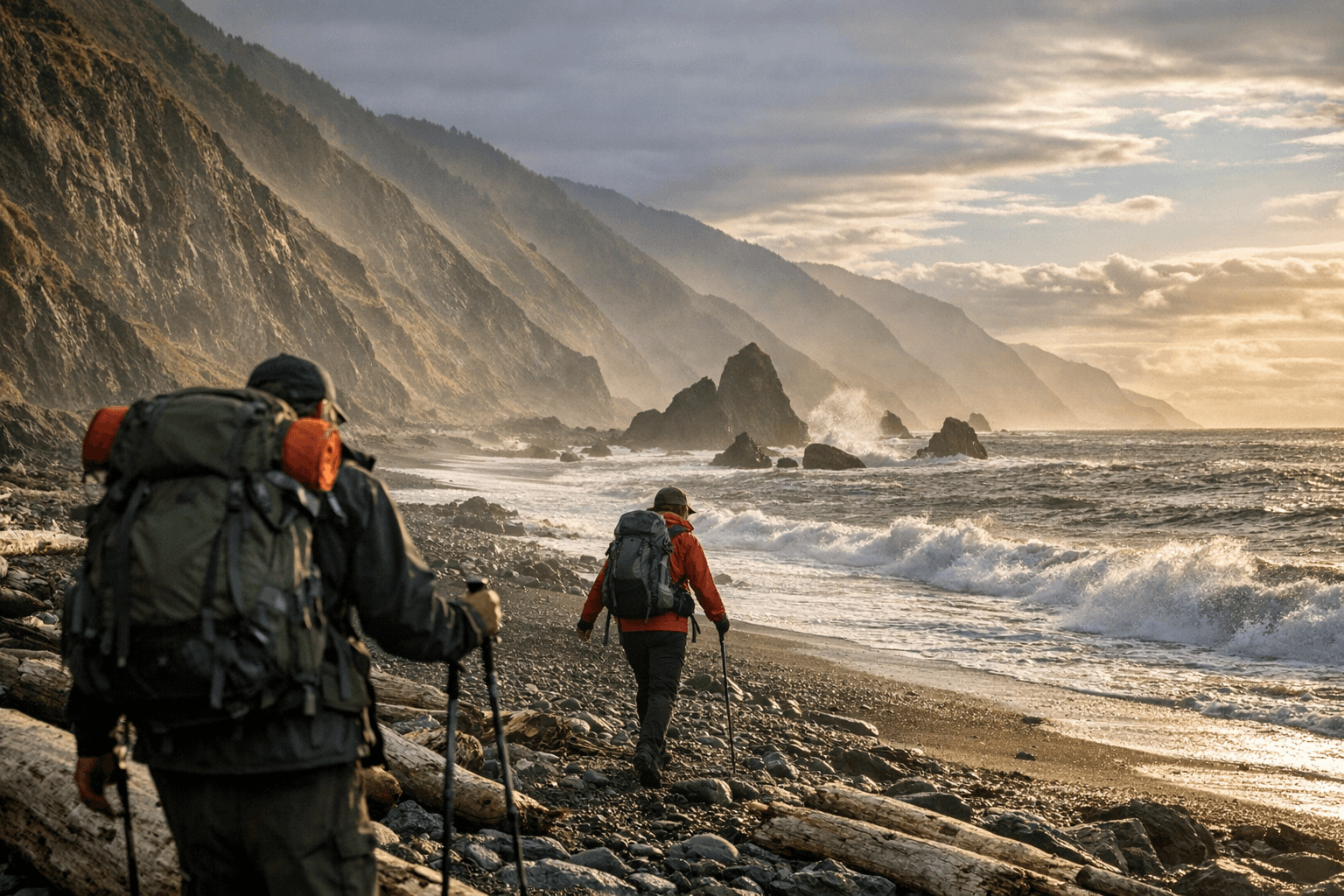
The Lost Coast is one of California’s most remote coastal corridors, prized for black-sand shorelines, tidepools and sweeping vistas. Access is often steep, narrow and rough; many routes, including Mattole Road and King’s Peak access roads, can be affected by storms, rockfall and seasonal washouts. High-clearance vehicles are recommended in some spots, and motorists should fuel up and buy supplies in larger towns such as Eureka or Ferndale before traveling into the area, where gas, food and services are limited.
Safety is the primary concern for visitors and for local emergency responders. Cell coverage is spotty across much of the Lost Coast; download offline maps or carry a physical map and tell someone your itinerary before you go. Check weather and surf forecasts, and know local tide times: sea stacks and some coves become inaccessible at high tide, and rogue waves can sweep visitors from rocks even on calm days. Winter storms can create dangerous surf and strong currents, and cliff edges can be unstable during and after storms. Footwear should be sturdy and waterproof, clothing layered with a windproof outer layer, and day visitors should carry a first-aid kit, extra water and food. For longer hikes or overnight plans bring a headlamp and consult US Forest Service and California State Parks for permits and current conditions.
Recommended day visits include Black Sands Beach at Shelter Cove for dramatic shoreline and tidepooling at low tide, the Mattole River estuary viewpoints for birding and winter migrations, and King Range pullouts off Mattole Road for coastal panoramas without committing to backcountry trails. Observe tidal restrictions and marine life protections while tidepooling, and keep a respectful distance from seals, sea lions and shorebirds; never approach pups or hauled-out marine mammals.
Environmental stewardship is essential to maintaining the coastline and the small communities that depend on visitation. Pack out all trash, avoid driving on braided beach surfaces or dune vegetation, and respect private property where access roads traverse private land. Local volunteer groups organize trail and beach cleanups; consider supporting these efforts to preserve habitat and reduce maintenance costs.
From an economic and policy perspective, visitation supports small businesses in gateway towns but also places pressure on infrastructure and emergency services. Humboldt County road condition pages and state park advisories are critical planning tools, especially during winter storms. For overnight or backcountry trips, consult US Forest Service and California State Parks for permits and conditions to reduce risks and protect sensitive coastal resources. Thoughtful planning and local stewardship help keep the Lost Coast accessible and safe for residents and visitors alike.
This article was produced by Prism’s automated news system from verified source data, official records, and press releases, then run through automated quality and moderation checks before publishing. The system is built and supervised by the people who set the standards it runs under. Read our full AI policy.
Did this article answer your question?