Huffman hails long-overdue salmon disaster aid for California fishing communities
NOAA's $21.3 million salmon aid could finally reach California fishers, but Humboldt families still want to know how fast it will hit docks, plants and crews.
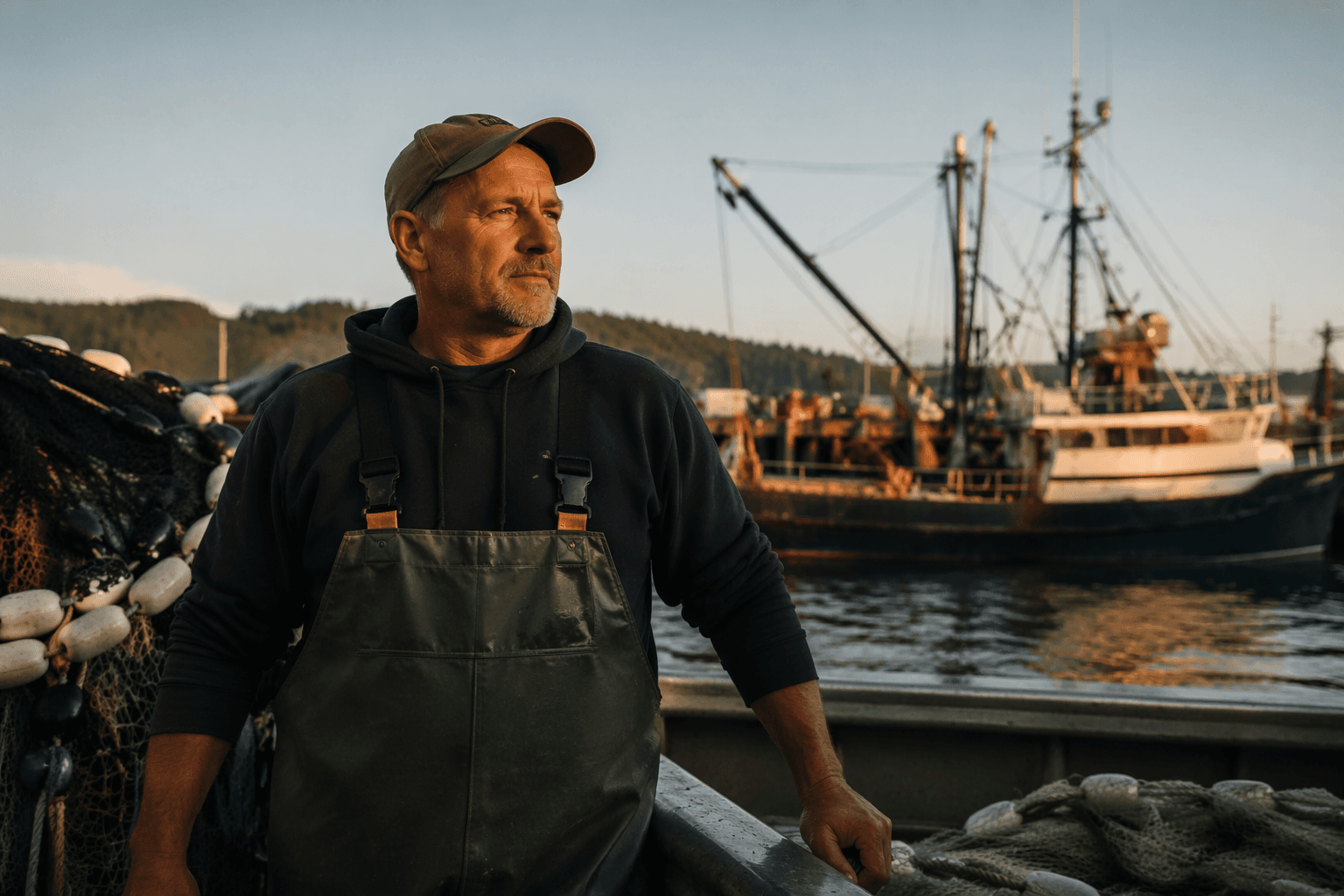
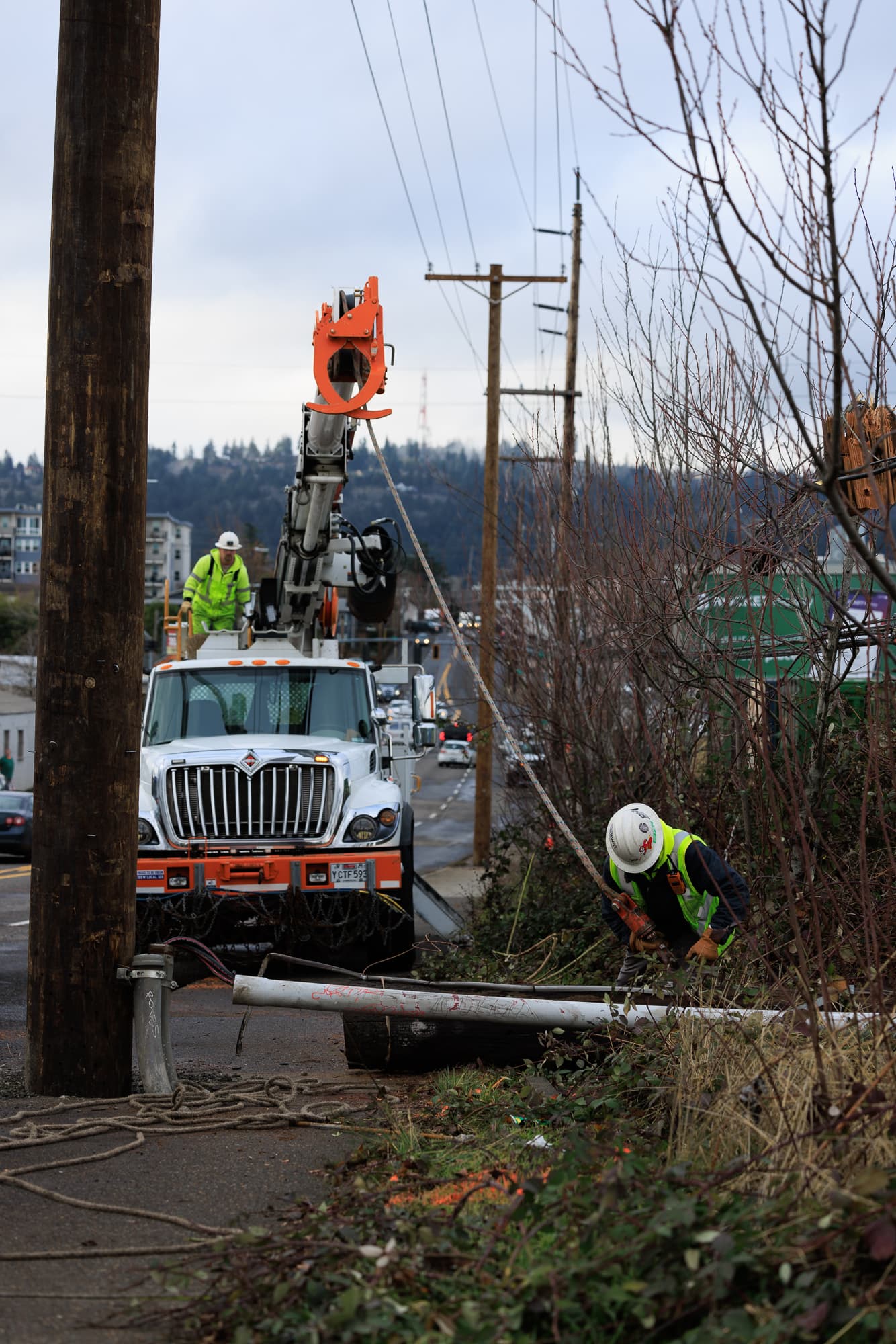
The first question in Eureka and Arcata is simple: how much of NOAA’s new $21.3 million salmon disaster allocation will reach Humboldt-area boats, crews, processors and ports, and how quickly will it arrive? After repeated closures have battered the North Coast economy, Rep. Jared Huffman is hailing the money as long-overdue relief, even as the timing underscores how long fishing families have waited for federal follow-through.
NOAA announced June 17 that it was distributing $123.6 million in fishery resource disaster funding under the American Relief Act, 2025, with California receiving $21.3 million tied to the Sacramento River Fall Chinook and Klamath River Fall Chinook fisheries. The agency said the money applies to previously declared disasters, including the 2024 State of California Sacramento River Fall Chinook and Klamath River Fall Chinook ocean and inland salmon fisheries disaster, and that it can support commercial fishermen, recreational fishermen, charter businesses, shore-side infrastructure, subsistence users, habitat restoration, vessel and permit buybacks, job retraining and related recovery work.
For Humboldt County, the significance is not abstract. Salmon closures ripple through North Coast fishing families, seafood processors, fuel docks, gear suppliers and small businesses that depend on a working waterfront. The new allocation may not solve the damage done over the last two seasons, but it is aimed at the same economic network that stretches from the docks in Eureka to businesses serving the fleet across the county.
The delay, however, remains the story behind the money. NOAA first determined on Nov. 21, 2023 that a commercial fishery failure had occurred in the Sacramento River Fall Chinook and Klamath River Fall Chinook fisheries. On Feb. 1, 2024, U.S. Secretary of Commerce Gina M. Raimondo allocated more than $20.6 million for the 2023 disaster. California then sought a separate determination for the 2024 disaster in April 2024, and NOAA’s Nov. 27, 2024 memo said the state’s ocean salmon fisheries were completely closed because of near-historically low forecast abundance, producing a 100-percent revenue loss.
Huffman, along with Sens. Alex Padilla and Rep. Jimmy Panetta, said in February 2024 that NOAA’s then-$20 million approval fell well short of California’s $45 million request. Huffman called that relief “grossly inadequate,” and said then that he wanted to know where the missing $25 million went. His current stance is more restrained but still critical: the aid is welcome, but it should not have taken years of pressure, reviews and public frustration to reach this point.
California officials and advocates have tied the salmon collapse to drought, wildfires, habitat damage, harmful algal blooms, ocean forage shifts and climate change. The state’s salmon strategy even noted that some tribes canceled religious and cultural harvests in 2023 for the first time ever. For the North Coast, the new money is real, but so is the warning embedded in the timeline: salmon relief is still arriving after the losses have already spread through the economy.
This article was produced by Prism’s automated news system from verified source data, official records, and press releases, then run through automated quality and moderation checks before publishing. The system is built and supervised by the people who set the standards it runs under. Read our full AI policy.
Did this article answer your question?