Humboldt Bay water district says discolored tap water is safe to drink
Cloudy, red and brown tap water alarmed some Humboldt Bay customers, but the district said a pressure surge stirred harmless minerals, not a health threat.
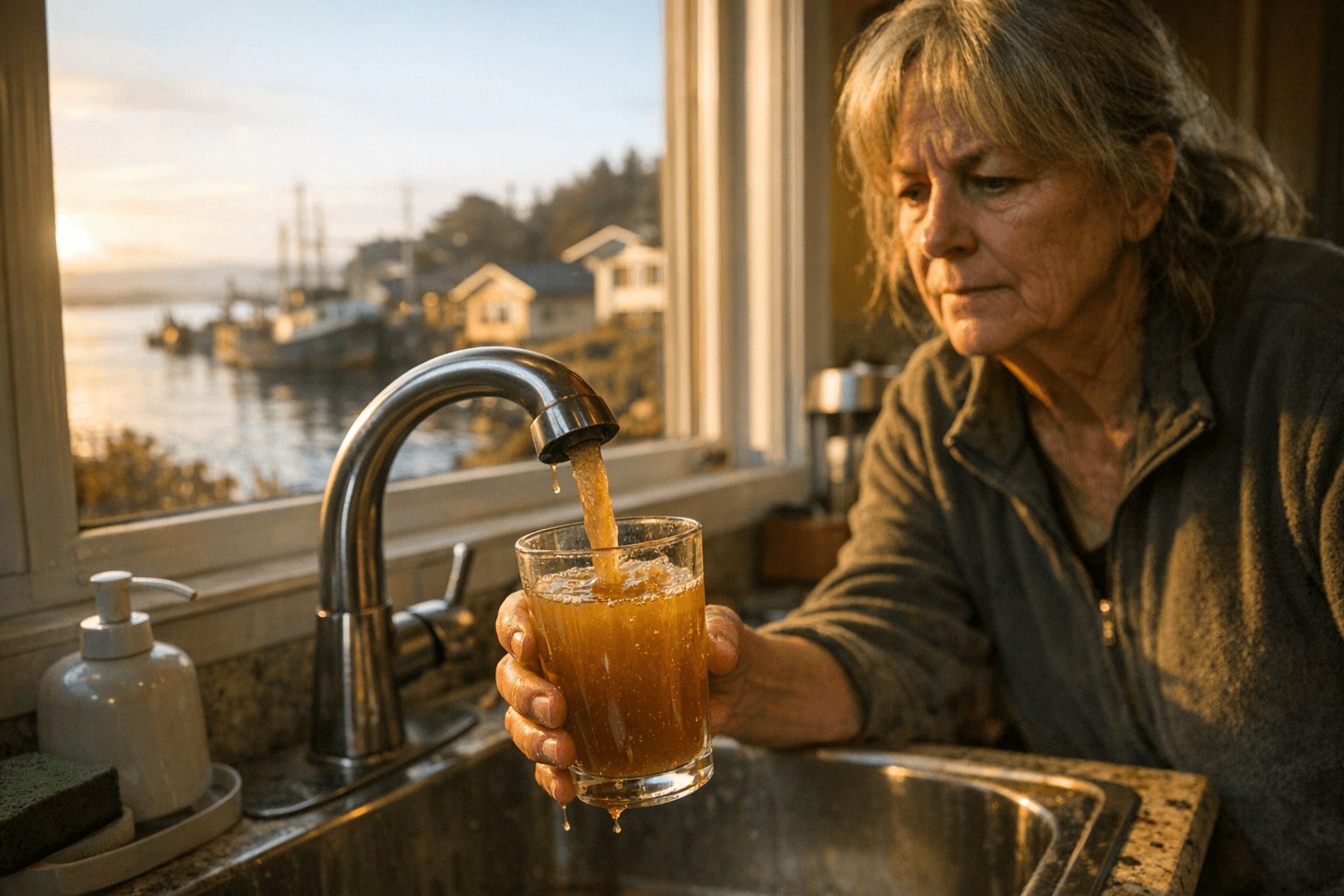
Some Humboldt Bay Municipal Water District customers saw cloudy, red or brown tap water, but the district said the water remained safe to drink after a pressure surge in one of its transmission pipelines stirred material already inside the system.
The district said the problem fit a water-hammer event, the kind that can happen when flow changes suddenly during a pump start or stop, a valve operation or an abrupt change in demand. That kind of surge can disturb sediment and mineral deposits in the mains and send them into the distribution system, leaving water with a rusty appearance. HBMWD said the discoloration came from iron and manganese, naturally occurring minerals in water systems, and that the water still met state and federal drinking water standards.
That distinction matters because the U.S. Environmental Protection Agency’s secondary drinking water standards cover cosmetic concerns such as color, taste and odor rather than health risks. In other words, the water can look bad and still be considered safe to drink, which is exactly the kind of situation that can unsettle households even when utility operators say there is no danger.
HBMWD advised customers not to run hot water or do laundry until the water cleared, since discolored water can stain clothes and leave deposits in water heaters. The district also said residents should flush cold water for three to five minutes from the tap closest to the service connection, and remove aerators before flushing if needed. Operations staff were monitoring water quality and flushing the system with local providers to get the water back to normal as quickly as possible.
The episode also highlighted the scale of a district that was formed in 1956 to build a regional water system for the greater Humboldt Bay area. HBMWD supplies drinking water to seven public agencies, including Arcata, Eureka, Blue Lake, Humboldt CSD, Manila CSD, McKinleyville CSD and Fieldbrook-Glendale CSD. Its retail customers are mainly in West End Road, the Arcata bottoms and Samoa, while its Ranney collectors can produce about 20 to 21 million gallons per day and Hilfiker Pump Station No. 6 can pump 60 MGD.
That makes a pressure-surge problem more than a cosmetic nuisance. Even when the water remains potable, an event like this can spread quickly across a wide service area, interrupt daily routines and raise the harder question of how the district will keep a temporary discoloration from becoming a repeat blow to public confidence.
This article was produced by Prism’s automated news system from verified source data, official records, and press releases, then run through automated quality and moderation checks before publishing. The system is built and supervised by the people who set the standards it runs under. Read our full AI policy.
Did this article answer your question?