Humboldt County to write new rules for license plate readers
After a four-hour public fight, supervisors ordered new ALPR rules and a ban on private use on county rights of way, with Rex Bohn dissenting.
Humboldt County is moving to rewrite the rules for its license plate readers after a four-hour public showdown in Eureka over who can see the data, how it is searched and what limits are missing. The Board of Supervisors voted 4-1 on June 2 to form an ad hoc committee to look at alternatives to Flock Safety, while also telling Public Works staff to draft a policy that would block private use of ALPR cameras and similar technology on county rights of way. Rex Bohn cast the lone no vote.
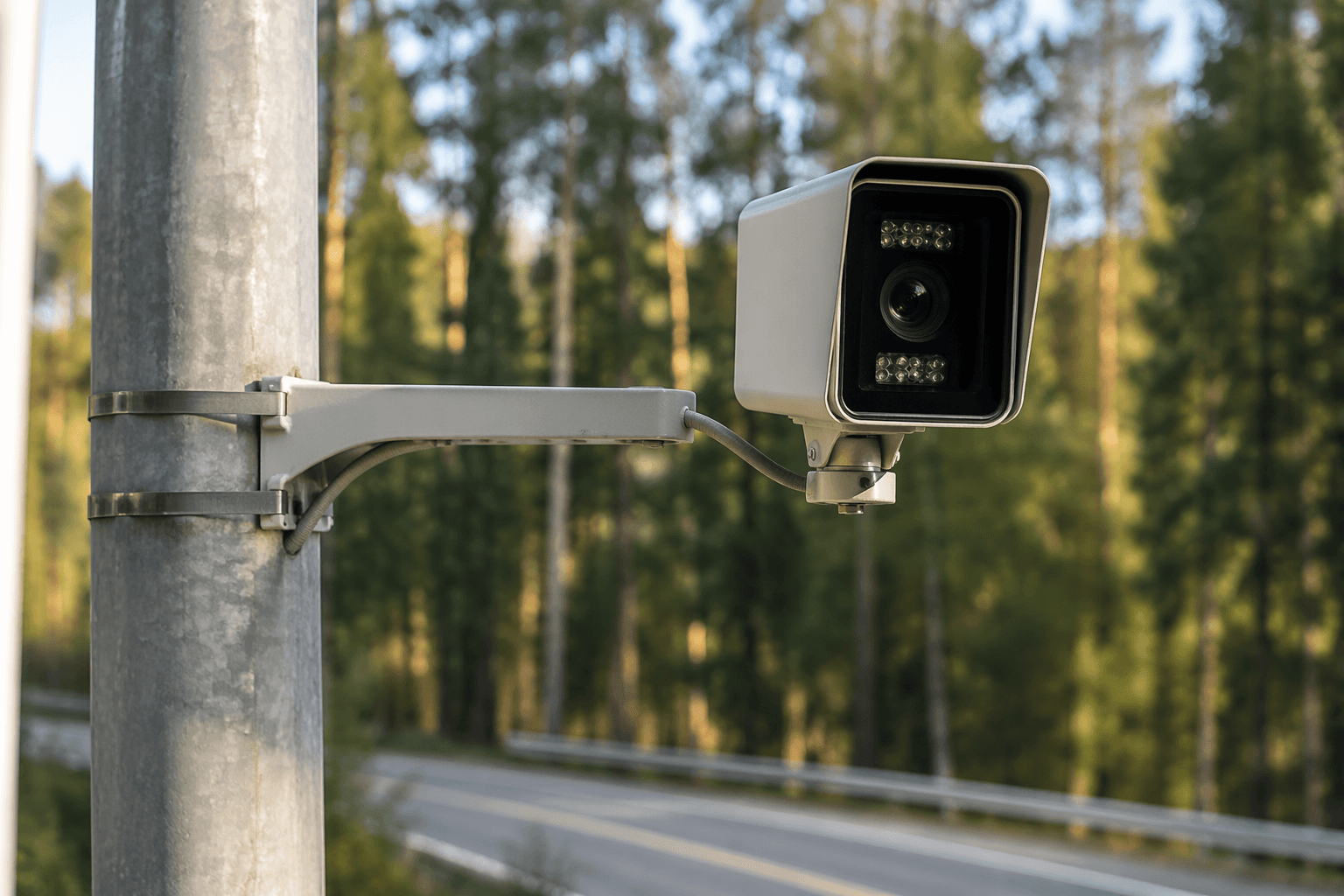
The sheriff’s office now operates seven permanently mounted ALPR cameras and two mobile devices across the county, part of a program that began in April 2024. Under the current contract, Flock Safety is set to stay in place until July 2027 unless county leaders change course sooner. The board’s decision did not settle the surveillance fight; it pushed it into a rules-writing phase that could reshape how the cameras are used from Westhaven Road and Scenic Drive to Old Town Eureka and Trinidad.
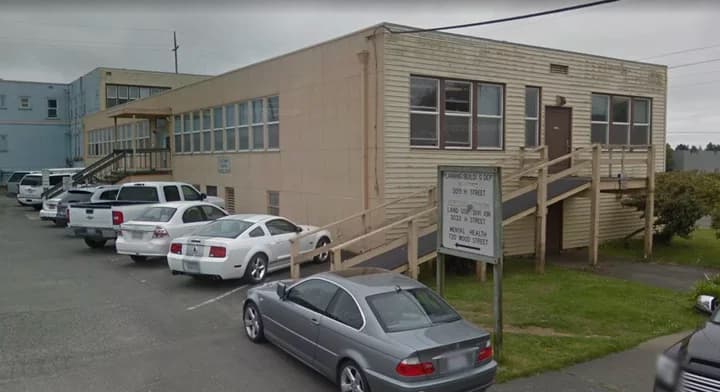
That shift came after residents packed the board chamber at 825 Fifth Street and raised privacy and surveillance concerns about the county’s arrangement with Flock. A petition calling for removal of the cameras had reached 732 signatures as of May 29, showing the controversy had moved far beyond a sheriff’s-office issue and into the public square. The debate centered on a basic civil-liberties question: whether a system that records vehicle movements can be constrained tightly enough to serve investigations without building a shadow map of everyday travel through Humboldt County.

Supporters of ALPRs say the cameras help track stolen cars and serious suspects more efficiently. Critics in Humboldt focused on what happens after the plate is captured. The data can create searchable records of where cars have been, who may have visited a neighborhood and what patterns of movement emerge over time. According to data logs cited in local reporting, outside law-enforcement agencies had been allowed to conduct hundreds of thousands of searches per month of Humboldt’s ALPR data, often without the required justification, and hundreds of searches referenced federal agencies including Immigration and Customs Enforcement.
That point cuts to the heart of the county’s new policy push. California Attorney General guidance says SB 34, effective January 1, 2016, sets rules for how law-enforcement agencies collect, store, use and share ALPR data, including privacy safeguards and restrictions on sharing. Flock says its technology is used by more than 5,000 law-enforcement agencies nationwide, and the company’s data is reportedly stored in cloud servers hosted by Amazon Web Services and deleted after 30 days. But Humboldt’s dispute is now about who can search the information, whether outside access is too broad and what guardrails the county will write before the cameras become an even deeper part of daily policing.
This article was produced by Prism’s automated news system from verified source data, official records, and press releases, then run through automated quality and moderation checks before publishing. The system is built and supervised by the people who set the standards it runs under. Read our full AI policy.
Know something we missed? Have a correction or additional information?
Submit a Tip