Humboldt Faces Funding Shifts and Policy Debates Heading into 2026
This guide explains how federal funding changes through 2025 have reshaped local budgets, nonprofits, and port projects, and how those shifts intersect with housing, land-use, and climate debates in Humboldt County. Residents will learn which programs and policies were affected, how the county responded, and practical next steps for community members and organizations.
1. Federal grant freezes and cuts after 2025 federal actions
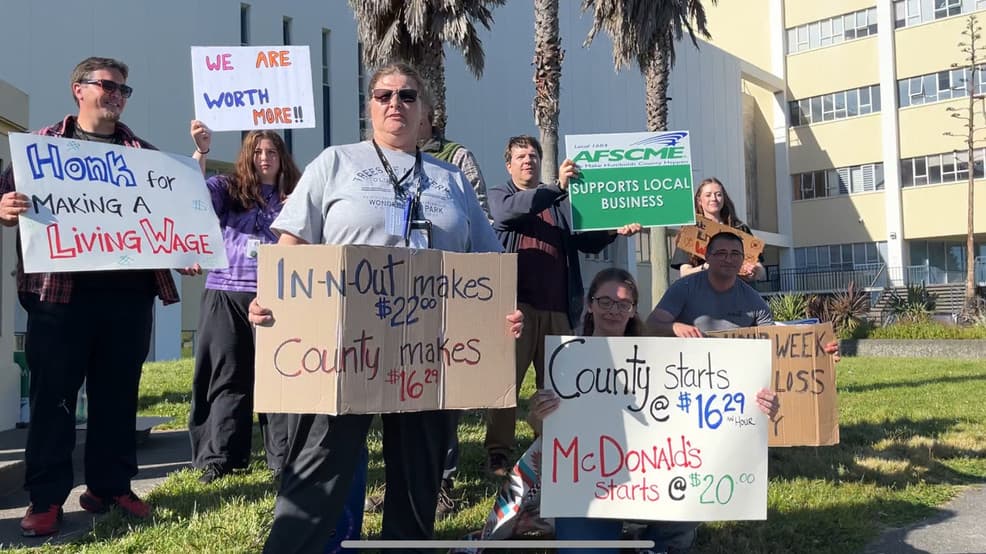
Federal decisions in 2025 produced a cascade of grant freezes and cuts that reached Humboldt County programs. These actions paused or reduced awards across several federal grant lines, creating uncertainty for multi-year projects and prompting county departments and local partners to re-evaluate timelines. The knock-on effects have included delayed capital work, paused contract hiring, and reprioritization of limited local funds to cover immediate shortfalls.
2. Regional nonprofit funding losses reported in surveys
Regional nonprofit surveys compiled after the federal adjustments documented estimated funding losses for local social service providers and cultural organizations. While the surveys vary in methodology, they consistently indicate substantial reductions in expected federal support, forcing nonprofits to scale back programs, delay expansions, or seek emergency operating funds. Local service delivery, especially for vulnerable populations, has been affected as organizations balance mission needs against shrinking revenue.
3. Rescinded federal port grant and Humboldt Bay Harbor District impacts
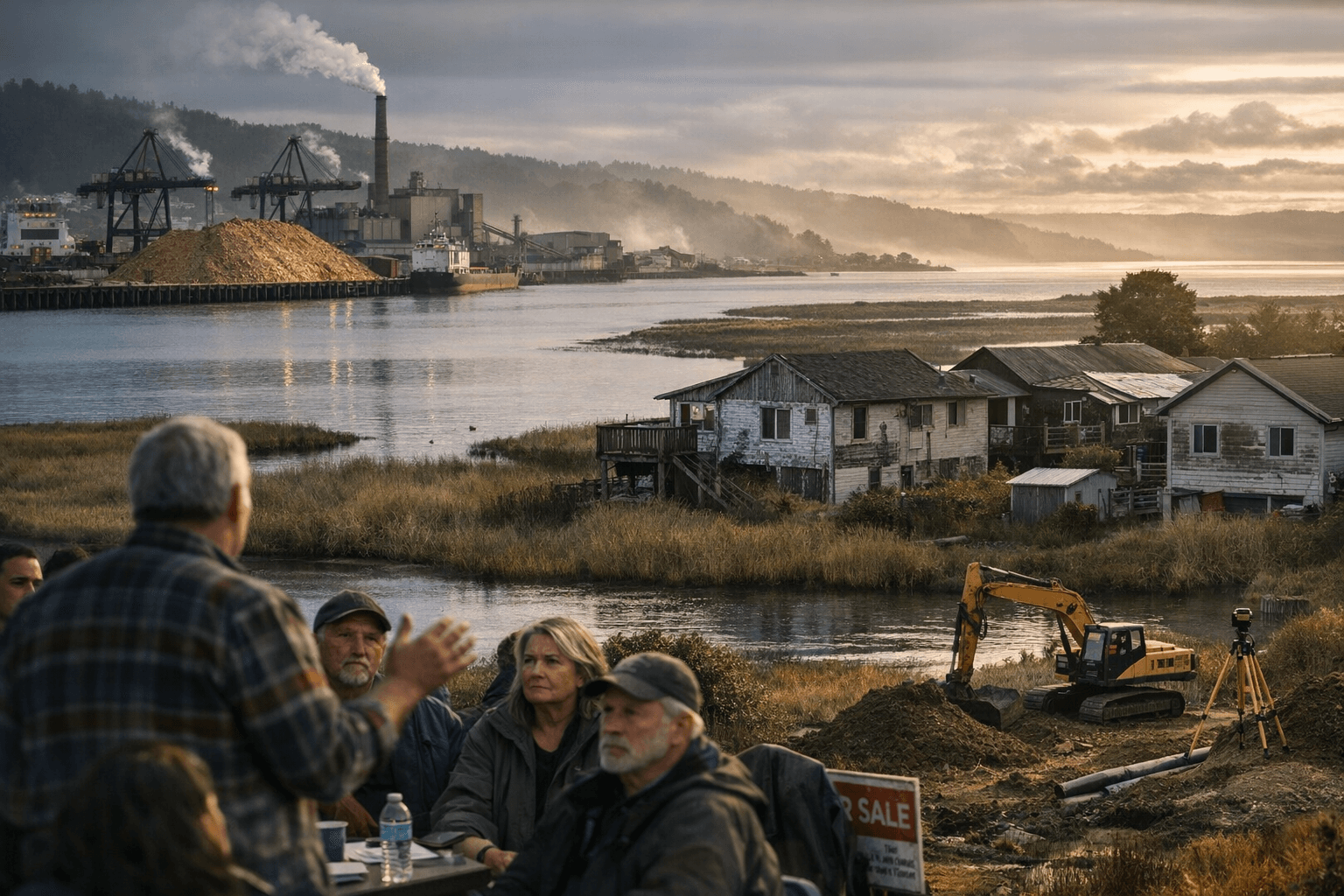
A federal grant intended for the Humboldt Bay Harbor District was rescinded, directly affecting planned harbor improvements and operational investments. The Harbor District must now reconfigure capital plans, defer certain projects, and potentially seek alternative state or private funding to avoid service disruptions. This setback has implications for maritime businesses, fisheries support infrastructure, and regional supply chains that depend on port reliability.
4. County-level budget pressures and mid-year shortfalls
County departments experienced increased budgetary pressure and mid-year shortfalls as anticipated federal reimbursements and grants were delayed or reduced. Staff reports and meeting records show the county reallocated reserves and postponed nonessential projects to maintain core services. These mid-year adjustments complicate fiscal planning for 2026, narrowing the county’s flexibility to respond to new needs or emergencies.
5. Measure S cannabis excise tax permit revocations and repeal actions
Measure S-related cannabis excise tax permit revocations occurred amid enforcement and permitting shifts, creating disruption for licensed growers and businesses relying on those revenues. Subsequent repeal actions and policy debates sought to address administrative and economic consequences for the cannabis sector and county tax receipts. The back-and-forth has created uncertainty for business planning and for county revenue projections linked to cannabis excise collections.
6. Housing and homelessness funding dynamics: state grants and local debate
State grants arrived amid growing local debates over how to deploy funds for homelessness and housing. While state support provided a new revenue stream to expand services and shelter options, local officials and community groups remain divided on approaches, weighing short-term shelter capacity against long-term affordable housing strategies. The funding dynamics prompted discussions about prioritization, accountability, and the need to pair immediate assistance with housing production.
7. Proposed "compassionate assistance" ordinance and no-camping proposals
Local policy debates intensified over possible ordinances that would provide sanctioned, supportive spaces ("compassionate assistance") alongside proposals to restrict unsanctioned camping in certain areas. Proponents of compassionate assistance argue it creates safer, health-centered alternatives to street homelessness, while supporters of no-camping ordinances stress public safety and access to public spaces. These competing approaches underscore deep community tensions about balancing individual dignity, neighborhood concerns, and legal constraints.
8. 2025 land-use and climate policy developments: McKinleyville Town Center and Climate Action Plan debates
Land-use actions in 2025 included the McKinleyville Town Center ordinance, which reshapes zoning and development expectations for one of the county’s key commercial hubs. Concurrently, debates over the county's Climate Action Plan reflected differing priorities about growth management, emissions reductions, and the pace of adaptation measures. Both policy threads highlight how land-use decisions intersect with housing, economic development, and environmental stewardship, with long-term implications for community resilience.
9. Fiscal outlook heading into 2026 and county budget concerns
Taken together, grant reductions, rescinded awards, revenue volatility from Measure S developments, and ongoing service demands leave the county fiscally constrained as it plans the 2026 budget. Public records and staff analyses point to tighter reserves and limited capacity to absorb further shocks without service reductions or tax adjustments. Residents should expect cautious budgeting, continued prioritization of core services, and potentially more public hearings as officials balance competing needs.
- Attend and speak at county and Harbor District public meetings to raise priorities, ask for transparency on grant reallocation, and advocate for programs at risk.
- Nonprofits should document funding gaps and coordinate through regional networks to present consolidated needs to state and philanthropic funders.
- Businesses affected by Measure S actions should engage with county permitting staff and legal counsel to understand the status of permits and potential relief measures.
- Community groups can push for pilot compassionate assistance programs tied to measurable outcomes to bridge debates between shelter advocates and neighborhood concerns.
- Track the Climate Action Plan and McKinleyville Town Center ordinance processes; provide comment that links local needs (housing, jobs, resilience) to proposed policy choices.
10. What residents and organizations can do now
Conclusion: These intersecting financial and policy shifts mean Humboldt County faces a pivotal year in 2026. Local officials, service providers, and residents will need to collaborate, prioritize transparency, and seek diversified funding to preserve essential services while advancing housing, climate, and economic goals. Public engagement in upcoming hearings and budgeting processes will shape how the county adapts to these pressures.
This article was produced by Prism’s automated news system from verified source data, official records, and press releases, then run through automated quality and moderation checks before publishing. The system is built and supervised by the people who set the standards it runs under. Read our full AI policy.
Did this article answer your question?