Humboldt Fire Chiefs Report Reveals Volunteer Strain, Rising Calls
The Humboldt County Fire Chiefs Association released its annual report on December 25, 2025, documenting more than 18,000 calls for service in 2024 and significant reliance on volunteer firefighters. The report details efforts by the Measure Z funded Fire Services Planning Team to realign service boundaries and warns that recruiting, equipment replacement, and coverage gaps demand sustained local and state action.
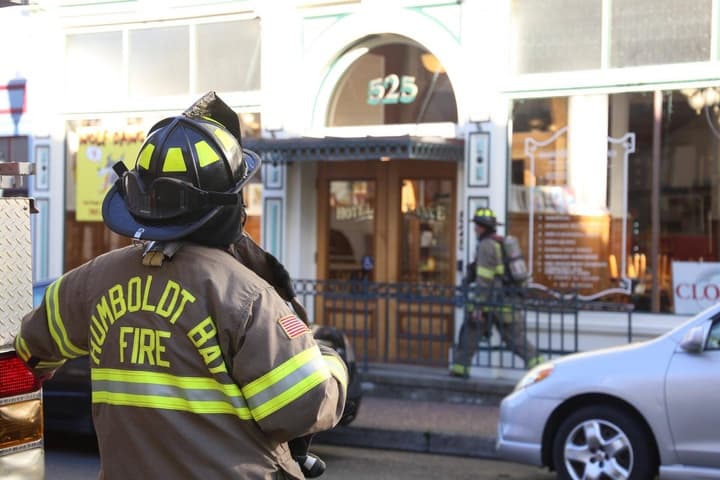
The Humboldt County Fire Chiefs Association published an annual report on December 25 that lays out the scale of emergency response across the county in 2024 and underscores mounting capacity challenges. County fire units responded to more than 18,000 incidents last year, including 238 structure fires, 369 vegetation fires, 629 vehicle accidents and 9,463 medical emergency responses, according to the report.
The document highlights the central role of volunteer firefighters in county operations. Local districts reported 574 volunteer firefighters contributing an estimated 100,000 volunteer hours in 2024, a contribution the report values at roughly 4.2 million dollars. The association cautions that recruiting and retaining volunteers, along with replacing aging apparatus, are critical pressures that threaten response reliability across Humboldt County.
Policy efforts described in the report focused on aligning governance and funding with actual response areas. The Measure Z funded Fire Services Planning Team guided multiple districts through annexation and tax exchange processes to better match service boundaries with response needs. The Humboldt County Board of Supervisors approved tax exchange agreements with the Salmon Creek and Arcata fire protection districts in 2024. The team also assisted Ferndale and other districts in evaluating potential boundary expansions and revenue options.
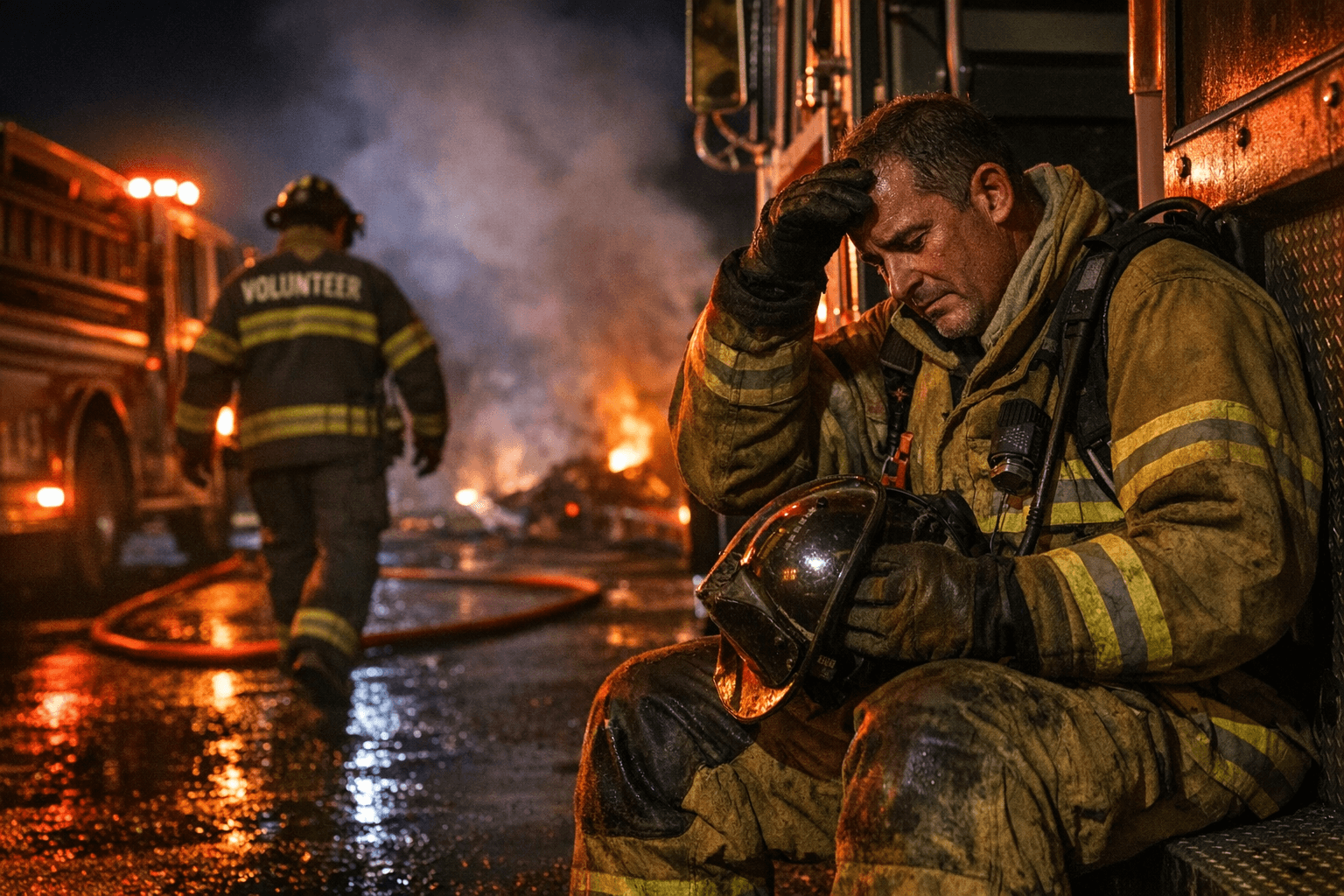
Officials and districts featured in the report discussed a range of strategies to shore up coverage, including district consolidations, additional annexations, and advocacy for state funding or legislative fixes to address areas that do not receive CalFire service. The report also honors firefighters who died in 2024 and calls for continued planning and funding to sustain emergency services.
For residents, the findings signal potential changes to how fire protection is organized and financed in coming years. Annexations and tax exchange agreements can alter which district responds and how services are funded. Areas not covered by CalFire face particular risk if local volunteer capacity declines. Community engagement with the Board of Supervisors and local fire districts will shape whether proposed consolidations, funding requests, and legislative outreach advance. The report makes clear that maintaining response levels will require coordinated action at the local and state level.
This article was produced by Prism’s automated news system from verified source data, official records, and press releases, then run through automated quality and moderation checks before publishing. The system is built and supervised by the people who set the standards it runs under. Read our full AI policy.
Did this article answer your question?