Humboldt Officials Warn Small Water Systems, Domestic Wells Still At Risk
Humboldt officials warned small water systems and domestic wells remain at risk despite the county being drought-free, urging planning and storage measures for north county residents.
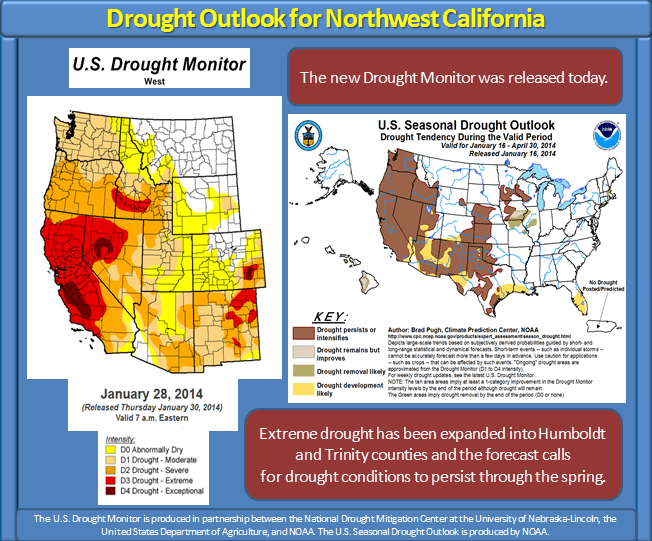
All of Humboldt County is drought-free at this point (in fact, the entire state of California is drought free for the first time in 25 years) but the engineers of an emergency response plan have told the Board of Supervisors that droughts can follow wet years and risk is ever-present. County leaders received the briefing and discussed steps to shore up supplies for the most vulnerable users.
The Board of Supervisors was updated on county drought planning at their Feb. 3 meeting. Engineers presented an emergency response plan and emphasized that favorable conditions do not erase long-term risk. Patrick Esh, co-chair of the county’s Drought Task Force Steering Committee, said precipitation has been above average locally but warned it could reverse in the future.
“Favorable conditions can mask underlying vulnerabilities, particularly for rural areas and communities served by small water systems and domestic wells, which are often the first to experience impacts when conditions shift,” he said. He added that planning for drought is ultimately “cost-effective and operationally practical.”
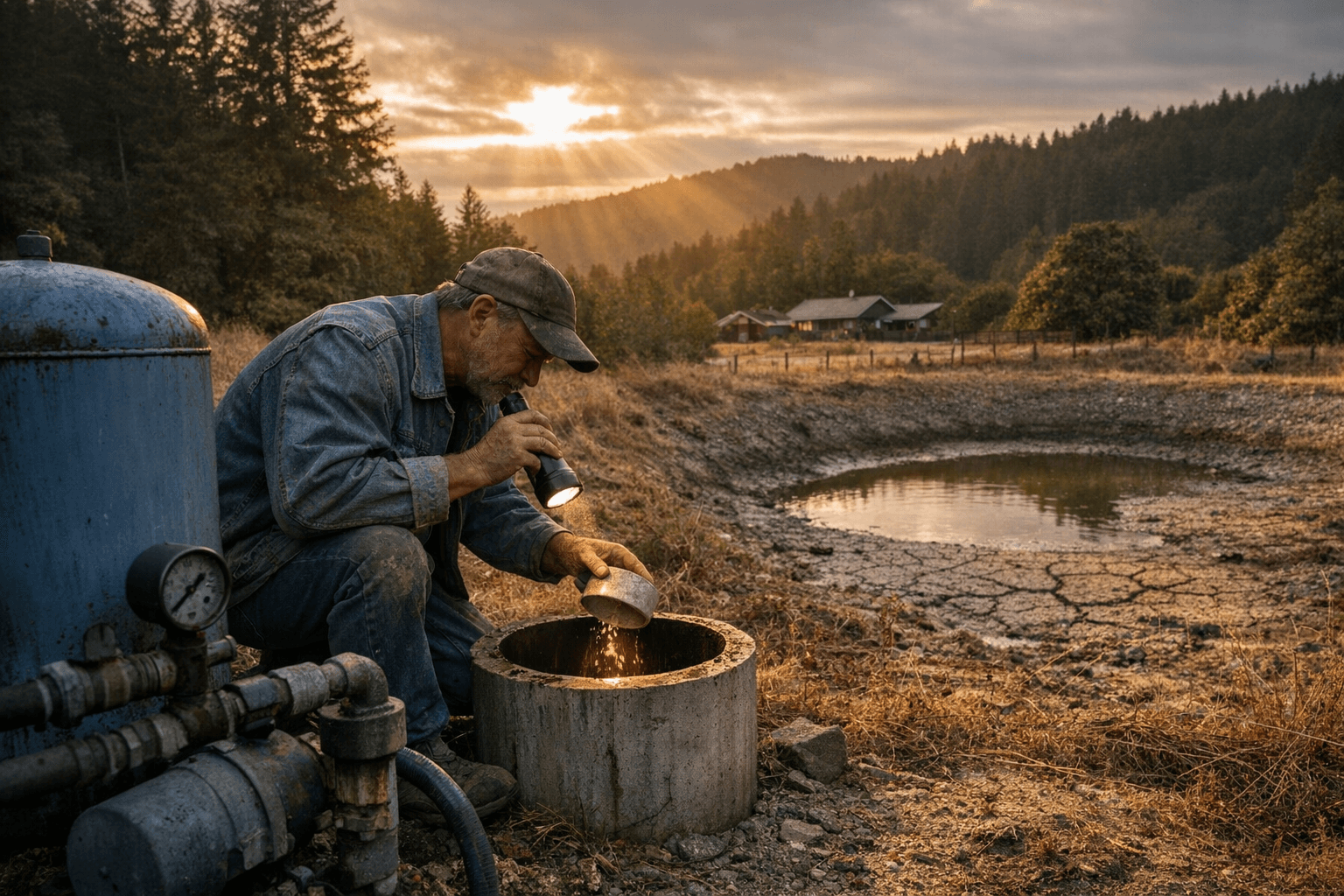
Local vulnerability centers on groundwater-dependent households and small systems. Map of Well Density in Humboldt County Domestic wells are often the first to fail during drought. Many users lack redundancy or backup supply. Each dot represents a household or small water system relying on groundwater - a reminder that even in wet years, much of Humboldt County’s water supply remains vulnerable to drought. [Each dot represents a well]
Supervisors advanced several suggestions to address those risks, including using data from Eel River Valley groundwater monitoring in the county’s emergency plan and developing water storage and system consolidations in the north county area. Those proposals aim to increase redundancy for domestic well users and to link smaller systems to more reliable sources where feasible.
Regional indicators complicate the local picture. Snow cover across the Western U.S. on February 1 was 139,322 square miles, the lowest February 1 snow cover in the MODIS satellite record (since 2001). As of February 1, Oregon, Colorado, and Utah have reported record low statewide snowpack. (Widespread SNOTEL records go back to the early 1980s). Critical water supply basins like the Deschutes, Humboldt, Yakima, Rio Grande, and Upper Colorado are experiencing severe. Warm temperatures have resulted in an elevational gradient to the snowpack; snow is present at higher elevations but has melted or is not present at lower elevations, increasing the risk of early drying.
The briefing left gaps municipal leaders will need to fill. The names of the engineers who presented, the full emergency response plan, detailed groundwater time series, and cost estimates or timelines for proposed storage and consolidation projects were not provided at the meeting. County staff and the Drought Task Force will need to supply those specifics as planning moves forward.
For Humboldt residents the message is clear: a wet season does not eliminate exposure for north county small systems and domestic wells. Supervisors have signaled a path toward monitoring, storage, and consolidation measures; the next steps are concrete plans, funding sources, and outreach so well owners and small system operators can prepare for shifts in conditions.
This article was produced by Prism’s automated news system from verified source data, official records, and press releases, then run through automated quality and moderation checks before publishing. The system is built and supervised by the people who set the standards it runs under. Read our full AI policy.
Did this article answer your question?