Humboldt Resident Hospitalized After Eating Foraged Toxic Mushrooms, County Warns
An experienced Humboldt forager mistook Western destroying angel mushrooms for puffballs, landing a friend in an out-of-area ICU amid California's deadliest mushroom season in decades.

The forager was experienced. That didn't matter.
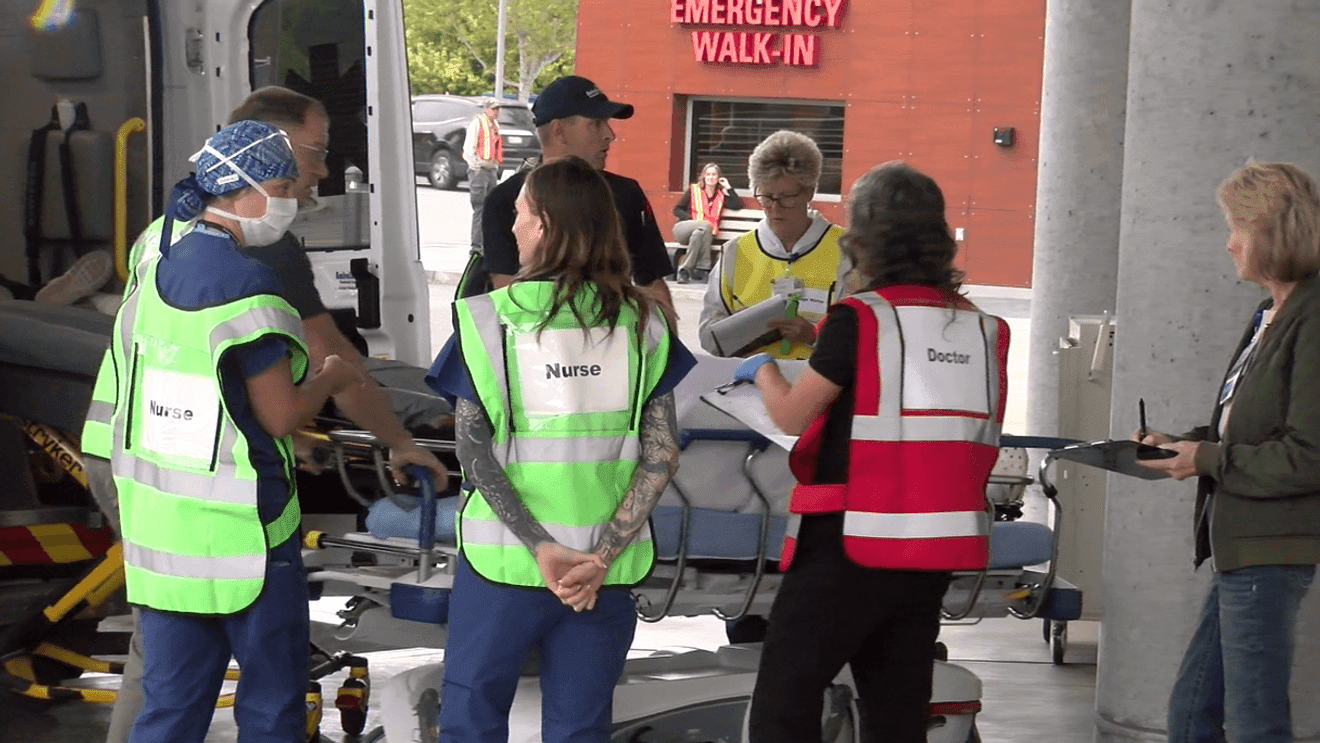
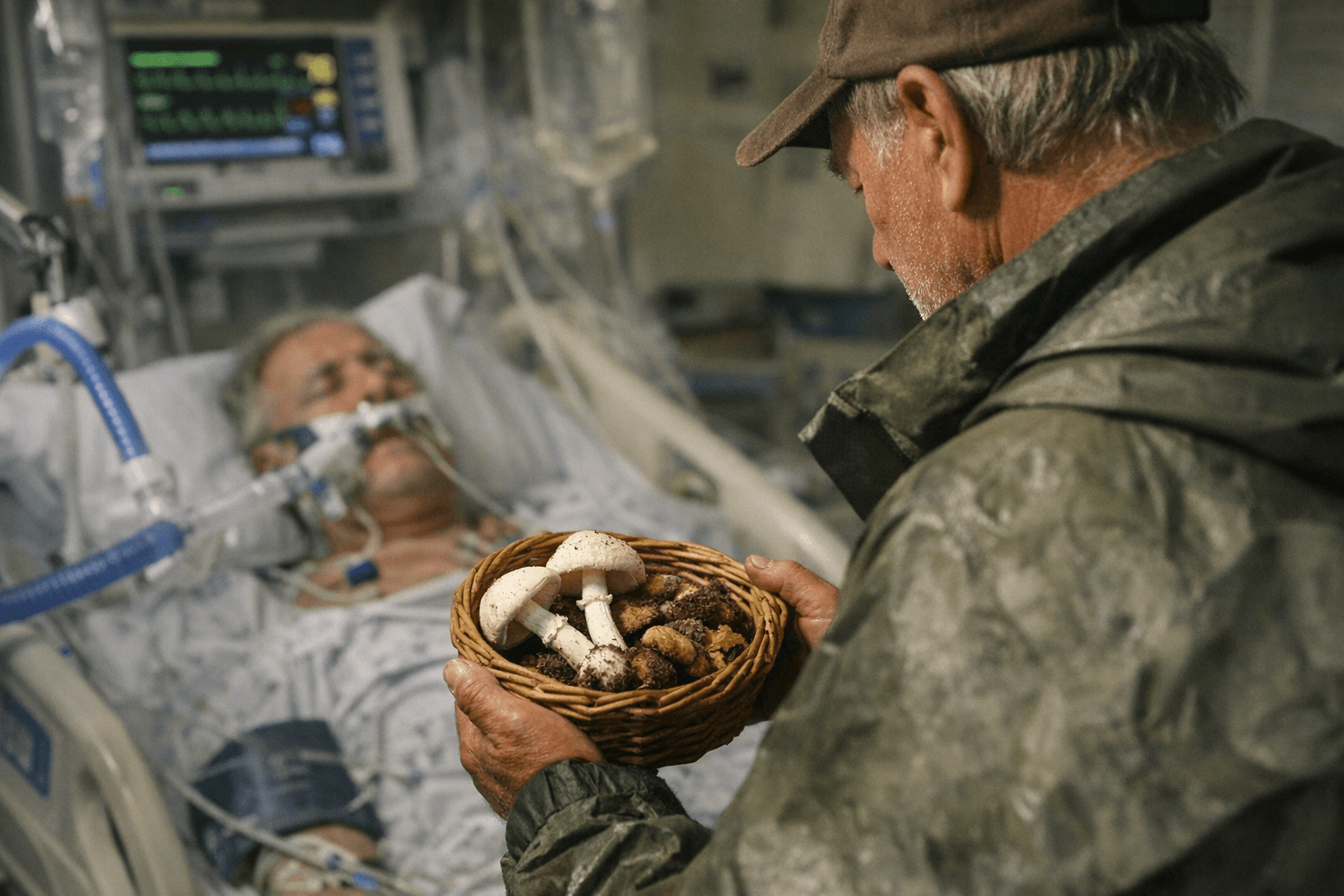
Western destroying angel mushrooms pulled from Humboldt County soil in mid-March looked convincingly enough like puffballs that a knowledgeable local forager shared them with at least one friend on March 13. By the following morning, that friend was sick enough to visit a local emergency department. Within days, the patient had been transferred to an out-of-area intensive care unit with confirmed amatoxin poisoning, leaving health officials scrambling to find anyone else who may have eaten from the same batch.
Humboldt County Department of Health & Human Services issued a public advisory on March 18, urging anyone who received mushrooms from that forager, or who consumed locally foraged mushrooms around that date, to seek medical attention immediately, even without symptoms. State health officials confirmed the species the following day: Amanita ocreata, the Western destroying angel. The county published the warning in both English and Spanish.
That bilingual urgency reflects the clinical reality of amatoxin poisoning: it is designed by biology to deceive. Symptoms can be delayed 6 to 24 hours after ingestion, beginning with nausea, vomiting, abdominal cramping and diarrhea. Those symptoms may then appear to subside, a false lull that masks continuing liver destruction over the following 48 to 72 hours. Without aggressive intervention, the endpoint is liver failure, transplantation, or death. No rapid test exists to confirm amatoxin ingestion; diagnosis depends entirely on clinical suspicion and patient history.
Providers wish they knew three things sooner: exactly when the mushrooms were consumed, a photograph of the mushroom or the specimen itself, and an early call to the California Poison Control System at 1-800-222-1222 rather than a decision to wait out the symptoms.
The Humboldt case sits inside what California Poison Control System acting executive director Thomas Kearney, PharmD, called "the most massive cluster of amatoxin cases I've seen in my 40-plus years in poison control." Between November 18, 2025, and January 6, 2026, the California Poison Control System identified 35 hospitalized amatoxin cases across Northern California and the Central Coast, from Sonoma to San Luis Obispo. Three adults died. Three more required liver transplants.
Experts attribute the surge to a weather-driven "superbloom" of toxic Amanita species. Early and heavy rains followed by warm conditions produced unusually dense growth of both the death cap (Amanita phalloides) and Western destroying angel, two of the most lethal fungi in the world, across the state. Both species are capable of fooling experienced foragers: the destroying angel in its early, egg-like stage is a convincing double for the puffball.
The DHHS advisory asked medical providers to inquire about mushroom consumption in any patient presenting with gastrointestinal symptoms and to preserve any remaining samples for investigation. County officials noted that immigrant and multigenerational foraging communities frequently share foraged food without knowing the original source, and emphasized that the warning applies to anyone who may have received mushrooms secondhand.
As of the county's last public update, the patient remained in an out-of-area ICU. The forager who picked the mushrooms had not been publicly identified, and officials had not confirmed whether other recipients of that batch had been located and evaluated.
Know something we missed? Have a correction or additional information?
Submit a Tip