Humboldt Resident Hospitalized in ICU After Eating Foraged Toxic Mushrooms
A Humboldt County resident is in an out-of-area ICU with amatoxin poisoning after eating Western Destroying Angel mushrooms mistaken for puffballs by an experienced local forager on March 13.
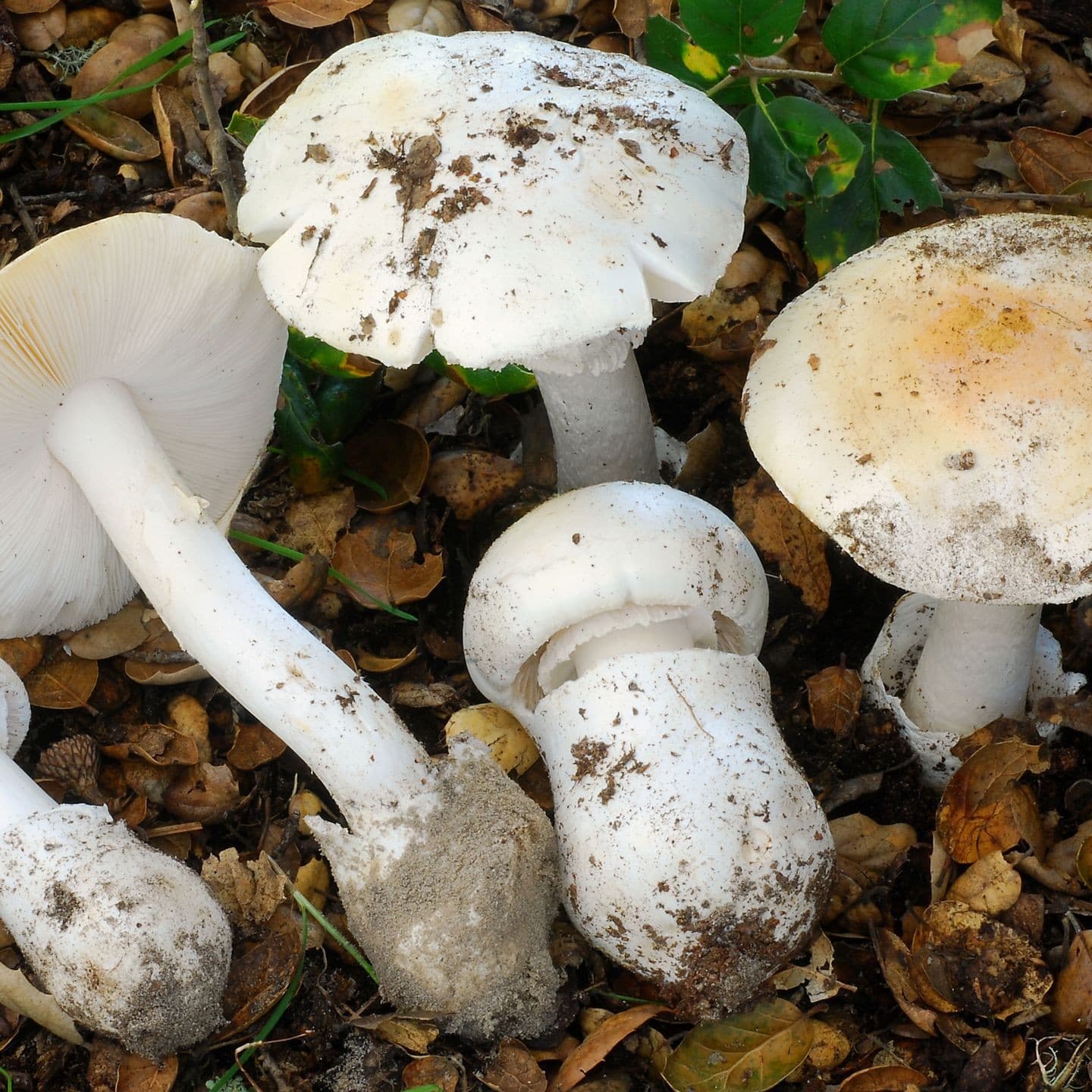
A Humboldt County resident is fighting for survival in an out-of-area intensive care unit after eating wild mushrooms foraged by a friend locally on March 13 that state health officials have since confirmed were Western Destroying Angel mushrooms misidentified as edible puffballs.
The individual ate the mushrooms on Friday, March 13, began feeling ill the following day, and went to a local emergency department on Saturday, March 14. They were later transferred to an out-of-area ICU with amatoxin poisoning. The patient has been too ill to provide information about who gave them the mushrooms, leaving public health officials unable to identify the forager or confirm how many others may have eaten from the same batch.
On March 19, the Humboldt County Department of Health and Human Services confirmed that state health officials had identified the mushrooms as Western Destroying Angel, a species that was mistaken for puffball mushrooms by what officials described as an experienced local forager. The forager shared the mushrooms with the now-hospitalized individual and possibly other friends on March 13. Early reports had provisionally identified the likely culprit as a Death Cap mushroom before the confirmed identification was issued.
"Do not wait for symptoms to appear," Humboldt County Health Officer Dr. Candy Stockton cautioned. "Treatment is more difficult once symptoms start."
Amatoxin poisoning is particularly treacherous because symptoms can take six to 24 hours to appear after ingestion, and even mild early signs, including nausea, stomach pain, cramping, diarrhea, vomiting, fatigue, or confusion, can be the opening stage of a life-threatening reaction. Early symptoms sometimes subside within a day, creating a false sense of recovery, while serious to fatal liver damage can still develop within two to three days. Complications include liver failure potentially requiring a transplant, kidney damage, seizures, and death.
The Humboldt case arrives against a troubling statewide backdrop. The California Department of Public Health issued an alert in December after the California Poison Control System identified 21 cases of amatoxin poisoning. As of February, confirmed cases from that cluster had produced severe liver damage in both pediatric and adult patients and resulted in four deaths. Death Cap mushrooms, which do grow in Humboldt County, were foraged in prior cases across Northern California and Central Coast locations that included county, city, and national park lands.
Anyone who consumed foraged mushrooms around March 13 is urged to seek medical attention immediately, even without symptoms. The Humboldt County Department of Health and Human Services is also asking anyone with information about the current incident to contact the Public Health Branch at 707-268-2182.
This article was produced by Prism’s automated news system from verified source data, official records, and press releases, then run through automated quality and moderation checks before publishing. The system is built and supervised by the people who set the standards it runs under. Read our full AI policy.
Did this article answer your question?