Humboldt Supervisors Refine 2026 Platform Prioritizing Health, Housing, Opposing Cost Shifts
Humboldt County supervisors refined the county's 2026 legislative platform to prioritize health, housing and oppose unfunded cost shifts that could hit local budgets.
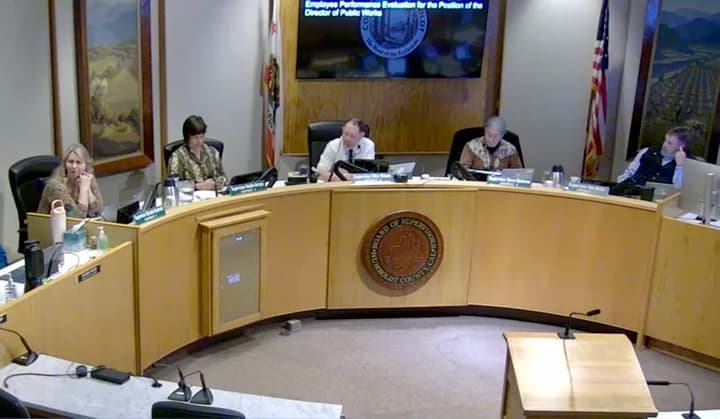
Humboldt County supervisors refined the county’s 2026 legislative platform to sharpen priorities for Sacramento and Washington, D.C., and to push back against federal and state changes that could shift costs and workloads onto local government. The board’s agenda emphasizes health care, housing, climate resilience, cannabis policy, emergency services and protections for county budgets.
At a Tuesday meeting, supervisors and contract lobbyists walked through a list of priorities the county will press with state and federal lawmakers. A central thread of discussion was HR 1, labeled in the meeting as the One Big Beautiful Bill Act, and concerns that its proposed tightening of eligibility for programs such as SNAP/CalFresh and Medi-Cal could increase county administrative burdens. County lobbyists urged preserving funding for eligibility workers and resisting any policy that expands county responsibilities without accompanying funding.
Public health infrastructure emerged as a concrete funding target. The county identified the local public health laboratory as a top project for earmark and grant requests, citing the lab’s role in testing and outbreak response capacity for Humboldt’s rural communities. Strengthening that lab is framed as a practical investment in resilience that keeps services local and reduces long transport times for specimens.
Climate and coastal policy also featured prominently. The revised platform includes a formal county opposition to offshore oil and gas leasing while simultaneously urging continued advocacy for responsible offshore wind development as an economic and climate opportunity. The approach frames offshore wind as a potential source of jobs and clean energy for coastal communities while defending fisheries and shoreline uses from oil and gas expansion.

On cannabis policy, the board added support for the state Appellations of Origin program, a move intended to help Humboldt cultivators protect regional identity and market value. Timberland and forest management priorities were discussed with an eye toward wildfire risk reduction and sustainable working forests. The board rejected a proposed local “weed tax” during deliberations.
The platform is designed to guide the county’s lobbying efforts in both Sacramento and Washington, D.C., providing specific asks for lawmakers and earmark targets for staff and lobbyists to pursue. For residents, the platform signals where county leaders will invest political capital: protecting local budgets, shoring up public health capacity, pursuing housing and emergency services support, and seeking economic opportunities tied to offshore wind and regulated cannabis markets.
What comes next is a coordinated push to translate the platform into funding requests and legislative language. For Humboldt residents, the immediate stakes are practical: how eligibility rule changes could affect access to benefits and how county budget pressures might influence local services and frontline workers who process those claims.
This article was produced by Prism’s automated news system from verified source data, official records, and press releases, then run through automated quality and moderation checks before publishing. The system is built and supervised by the people who set the standards it runs under. Read our full AI policy.
Did this article answer your question?