Humboldt Waterkeeper Urges Full Environmental Review of Cal Poly Parking Lot Plan
Dioxin fears on a former Arcata lumber-mill site put Cal Poly Humboldt's 212-space parking plan under fire; public comments must be submitted by April 2.
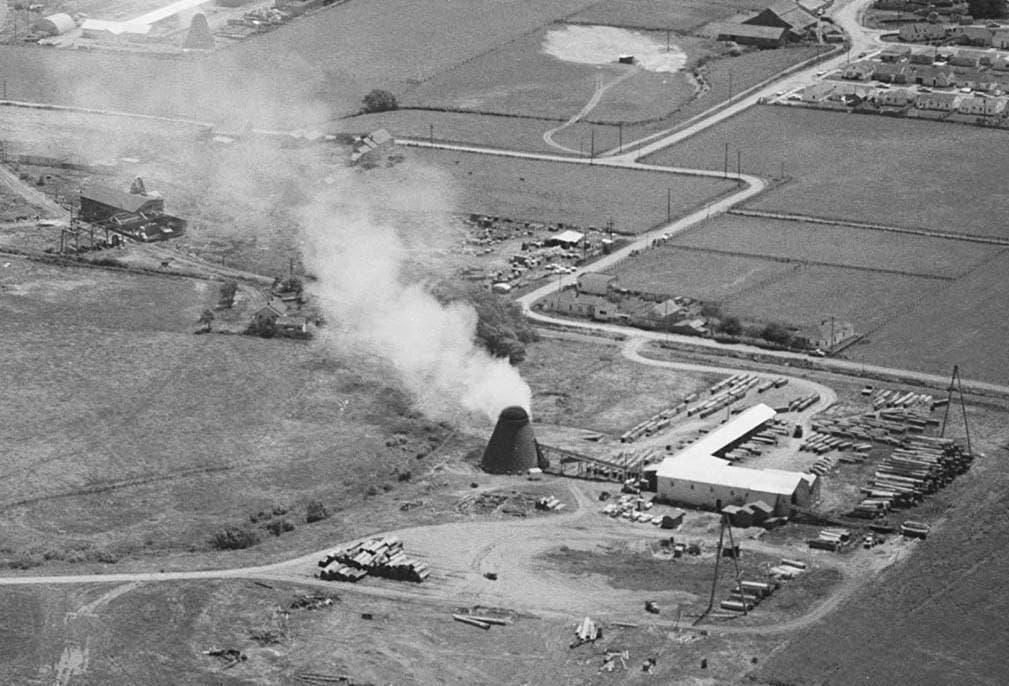
Buried dioxins from a former lumber-mill operation on Foster Avenue have pushed Cal Poly Humboldt's proposed parking expansion into a direct confrontation with Humboldt Waterkeeper, which issued an action alert March 27 demanding the university abandon its abbreviated environmental review and conduct a full Environmental Impact Report before breaking ground on the 16.7-acre site in the Arcata Bottoms.
The project at issue is the Foster Campus Connectivity Project: a 212-space student parking lot and shuttle station planned for the lower four acres of a vacant parcel at 2000 Foster Ave., a site Cal Poly Humboldt purchased in 2022 for $5.4 million. The university revised the original plan to add a trail running along a former railroad corridor through the Bottoms, then recirculated its Draft Initial Study/Proposed Mitigated Negative Declaration to allow another round of public comment. That window closes tomorrow, April 2.
Humboldt Waterkeeper argues the recirculated document does not go nearly far enough. The group warned that "the Recirculated Mitigated Negative Declaration, a shortened version of a full EIR, fails to assess the known contamination on the site, and as a result, poses risks to construction workers, neighbors, and future users of the site, as well as fish and wildlife in Janes Creek and Humboldt Bay."
The contamination concern centers on dioxins and related persistent organic pollutants historically embedded in the soil from past lumber-mill operations on the Foster Avenue property. These compounds remain hazardous for decades and can be mobilized when buried soils are disturbed by excavation and grading. Janes Creek runs near the site and drains into Humboldt Bay, where dioxins bioaccumulate in fish and marine life. Waterkeeper contends that without a full EIR, mitigation measures will be built on an incomplete picture of what is actually in the ground.

Under the California Environmental Quality Act, comments submitted during a recirculated review are part of the formal record regulators use to decide whether a Mitigated Negative Declaration is legally adequate or whether the project must be escalated to a full EIR. That distinction carries serious weight for the university's timeline: a required EIR would trigger deeper soil and groundwater testing, a broader review of mitigation alternatives, and a substantially longer public-review process, potentially pushing back a construction start currently targeted for summer 2026 and a completion date of February 2027.
The shuttle service attached to the parking lot would have operated every 15 minutes on weekdays between 7 a.m. and 6 p.m., transferring students from the Bottoms to the main campus. That convenience calculus now hinges on how the university and regulators respond to the contamination challenge Waterkeeper has put on the public record.
Written comments must be submitted to ceqa@humboldt.edu with the subject line "Foster Campus Connectivity Project" by the April 2 deadline.
This article was produced by Prism’s automated news system from verified source data, official records, and press releases, then run through automated quality and moderation checks before publishing. The system is built and supervised by the people who set the standards it runs under. Read our full AI policy.
Did this article answer your question?