Karuk-sponsored bill expands tribal consultation in California water policy
A Karuk-backed bill could force California water agencies to weigh tribal concerns before setting permits, grants and rules that affect North Coast flows and fish.
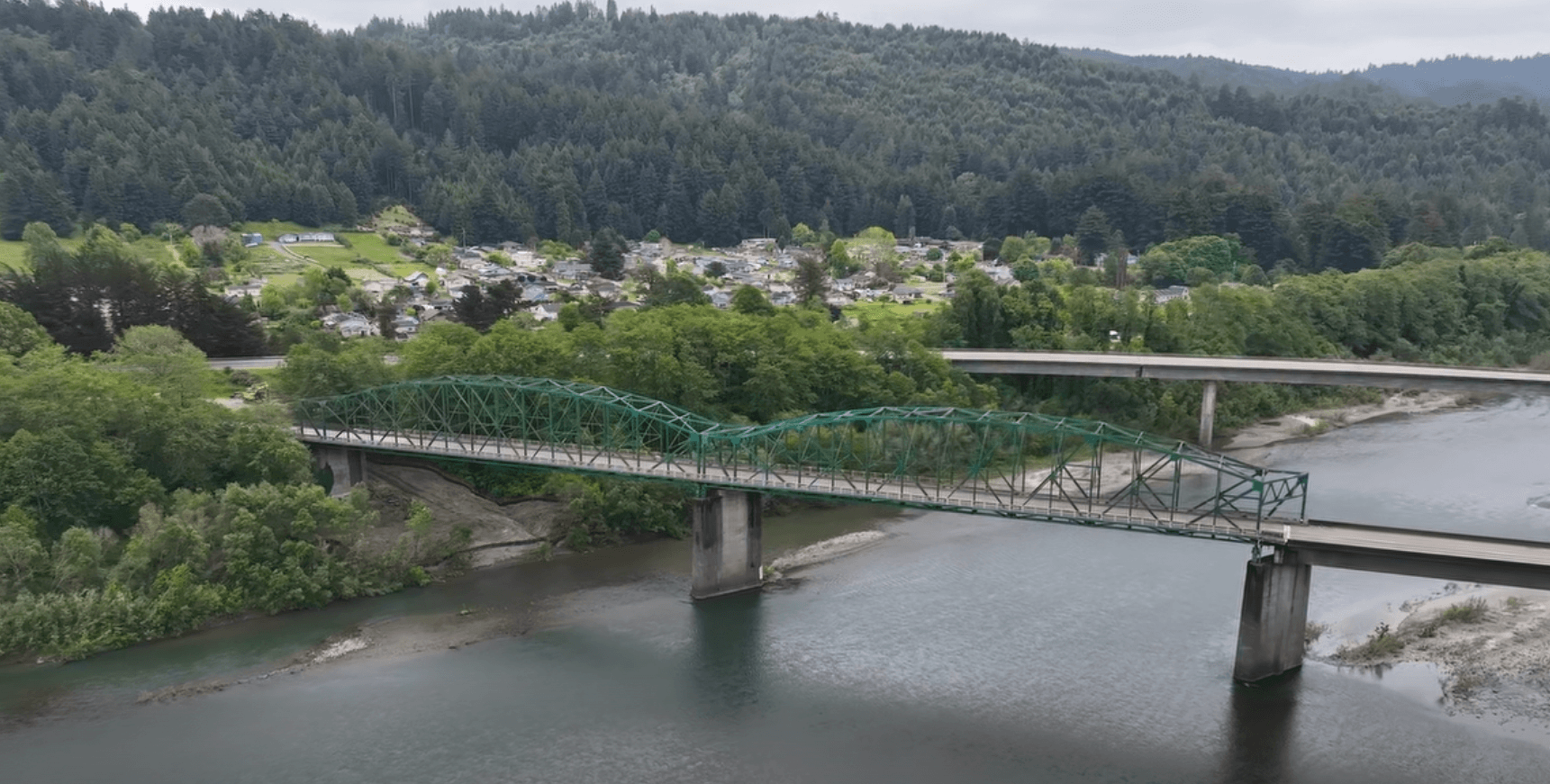
A Karuk-backed bill could change who gets a say before California writes the water rules that shape fish runs, drought-season flows and project permits on North Coast rivers. In Humboldt County and across the Klamath River Basin, where tribal water decisions can ripple into salmon restoration, cultural uses and basin management, the measure would push state agencies to account for tribal knowledge earlier and more directly.
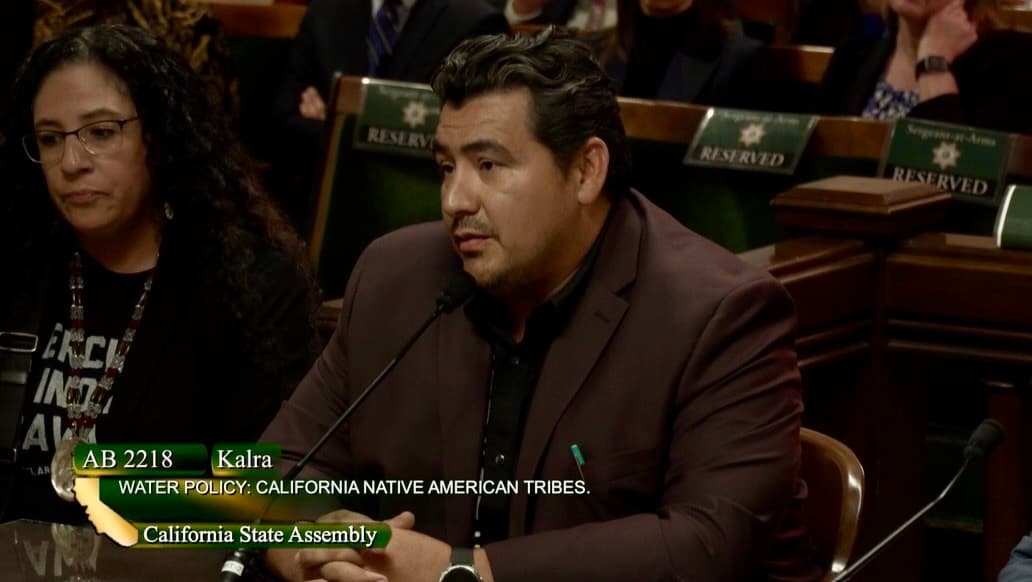
Assembly Bill 2218 passed the California Assembly unanimously and is now headed to the State Senate. Introduced by Assemblymember Ash Kalra on February 19, 2026, the bill was heard in the Assembly Committee on Water, Parks and Wildlife on April 14 and would apply to agencies including the Department of Water Resources and the State Water Resources Control Board. Under the proposal, those agencies would have to consider and incorporate the policy when revising, adopting or establishing rights, policies, regulations, permits or grant criteria.
The bill’s stated purpose is to acknowledge and correct inequities created by termination, removal and assimilation inflicted on California Native American tribes. A California legislative summary says the measure would support tribal cultural and linguistic traditions, ecosystem stewardship and good-faith government-to-government consultation on decisions affecting tribal communities. In practice, that could mean tribal concerns are built into the front end of water policy, rather than raised only after permits, timelines or project operations are already set.
That matters in a state where water law already gives the State Water Board broad authority over water rights, water quality, safe drinking water, water efficiency and water planning, and where existing law already requires early environmental-justice outreach in planning, policy and permitting processes. Legislative analysis also points to tribal-rights protections in the Klamath River Basin dating to the 1959 Klamath River Basin Compact. AB 2218 would not start California from scratch, but it would require agencies to make tribal consultation part of the regular water-policy workflow.
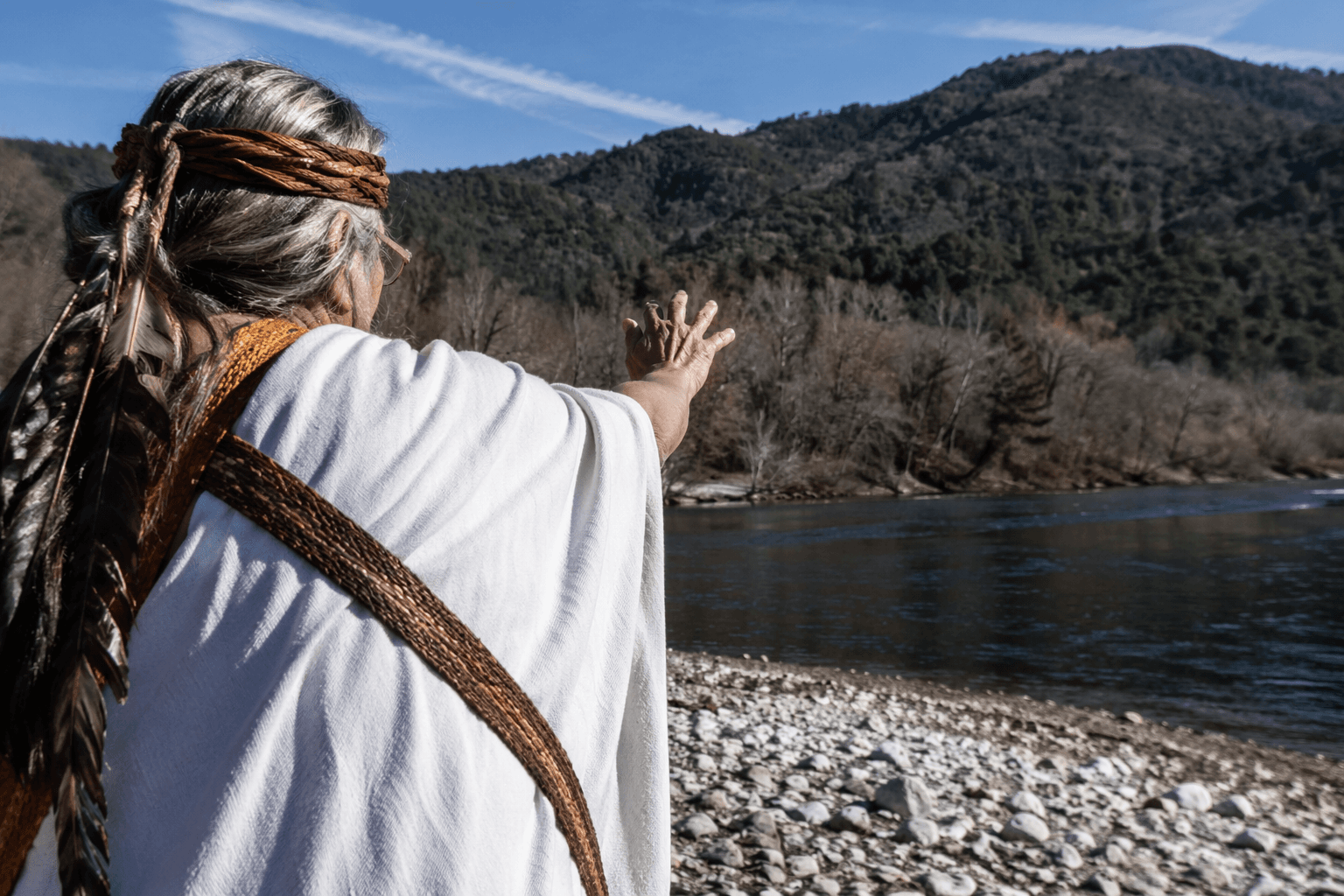
The Karuk Tribe has framed the bill as a response to long-running exclusion from water governance. The tribe says the historic “first in time, first in right” doctrine left Indigenous people outside recognition as lawful water users, and that reduced access to smelt, salmon, freshwater mussels and freshwater plants has harmed health, subsistence and cultural practice. Russell “Buster” Attebery, chairman of the Karuk Tribe, has tied the bill to those losses, while Malissa Tayaba of the Shingle Springs Band of Miwok Indians has said tribes displaced from the Sacramento River and Delta waterways remain guardians of the water.
The policy push is not isolated. The California Natural Resources Agency released an updated Tribal Consultation Policy on October 8, 2025, signaling a broader state effort to tighten consultation standards. AB 2218 would extend that shift into the water agencies that decide how California allocates, permits and manages a resource that is already under strain.
This article was produced by Prism’s automated news system from verified source data, official records, and press releases, then run through automated quality and moderation checks before publishing. The system is built and supervised by the people who set the standards it runs under. Read our full AI policy.
Know something we missed? Have a correction or additional information?
Submit a Tip