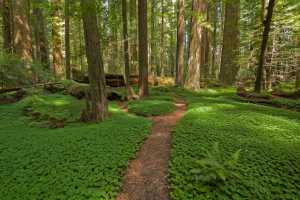
Klamath Youth Bring River Accord to UN COP30 in Brazil
Three local youth who took part in the first descent of the newly free flowing Klamath River traveled to UN COP30 in Brazil on November 14, 2025 to present the Klamath River Accord. Their participation highlights Indigenous leadership in river restoration, elevates dam removal as a climate resilience tool, and offers a local model for other river communities.
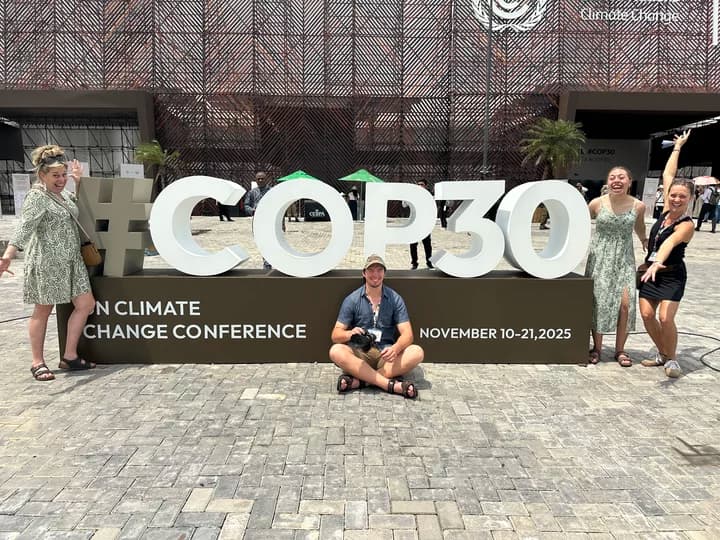
On November 14, 2025 three young river advocates from Ríos to Rivers appeared at the United Nations COP30 meetings in Brazil to present the Klamath River Accord. Ruby Williams of Karuk and Quartz Valley, Keeya Wiki of Yurok, and Kiahna Allen had recently participated in the Paddle Tribal Waters first descent of the newly free flowing Klamath River, and they joined scientists, advocates and leaders to argue that decommissioning dams can restore ecosystems, reduce climate harms and uphold Indigenous rights.
The Accord, co authored by the Rivers for Climate Coalition along with Native youth and river defenders, frames dam removal as a tool for both ecological recovery and climate resilience. The document highlights the climate impacts of dams including methane emissions, and it lists restoring free flowing rivers as a strategy to recover fisheries, cultural practices and riverine ecosystems. At COP30 the youth planned to share their community experience in decommissioning dams as a replicable model for other river regions. The press release included this statement from Ruby Williams, “The way our communities came together to undam the Klamath River can be done elsewhere,” underscoring the role of Indigenous leadership in the process.
For Humboldt County residents the presence of local youth at an international climate forum links regional restoration work to larger policy debates about infrastructure, environmental justice and climate mitigation. The Klamath decommissioning process has involved federal and state agencies, tribal governments and local stakeholders, and the COP30 presentation may influence how those institutions view river restoration investments and permitting decisions. The Accord’s emphasis on Indigenous rights also reinforces the need for tribal consultation and co governance in local projects affecting watersheds and fisheries.
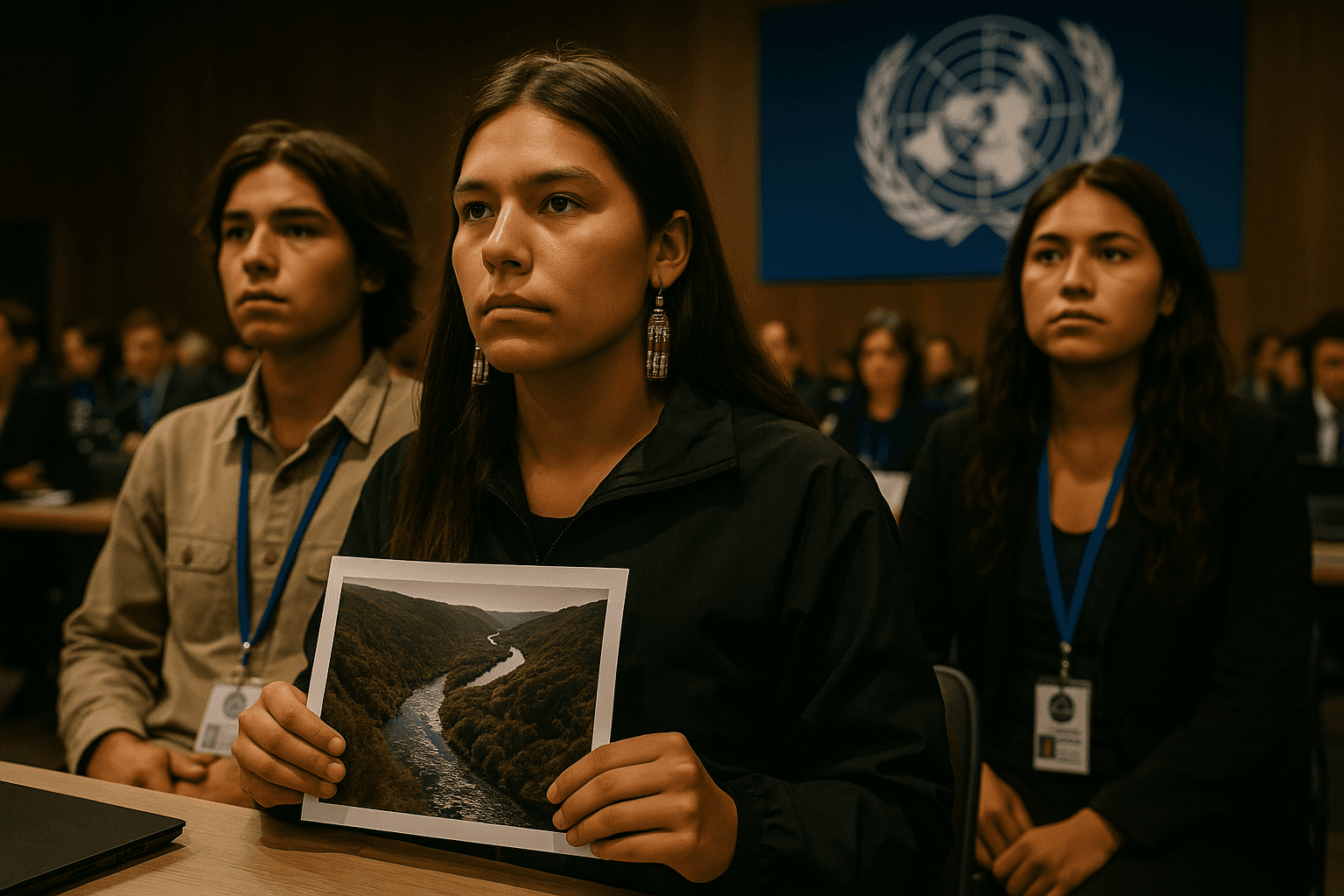
Civic engagement implications are clear. Local officials and voters will face choices about funding priorities and regulatory frameworks that affect rivers and coastal fisheries. The Klamath case provides a concrete example for communities weighing the ecological and climate costs of aging dams against the potential benefits of removal. As institutions consider next steps, the youth delegation’s appearance at COP30 signals that community led restoration and Indigenous leadership will remain central to these debates.
This article was produced by Prism’s automated news system from verified source data, official records, and press releases, then run through automated quality and moderation checks before publishing. The system is built and supervised by the people who set the standards it runs under. Read our full AI policy.
Did this article answer your question?