Leave Fawns Alone This Spring, State Wildlife Officials Urge
One in five fawns brought to California wildlife centers are healthy animals that never needed rescuing, and picking one up could cost $1,000 in fines.
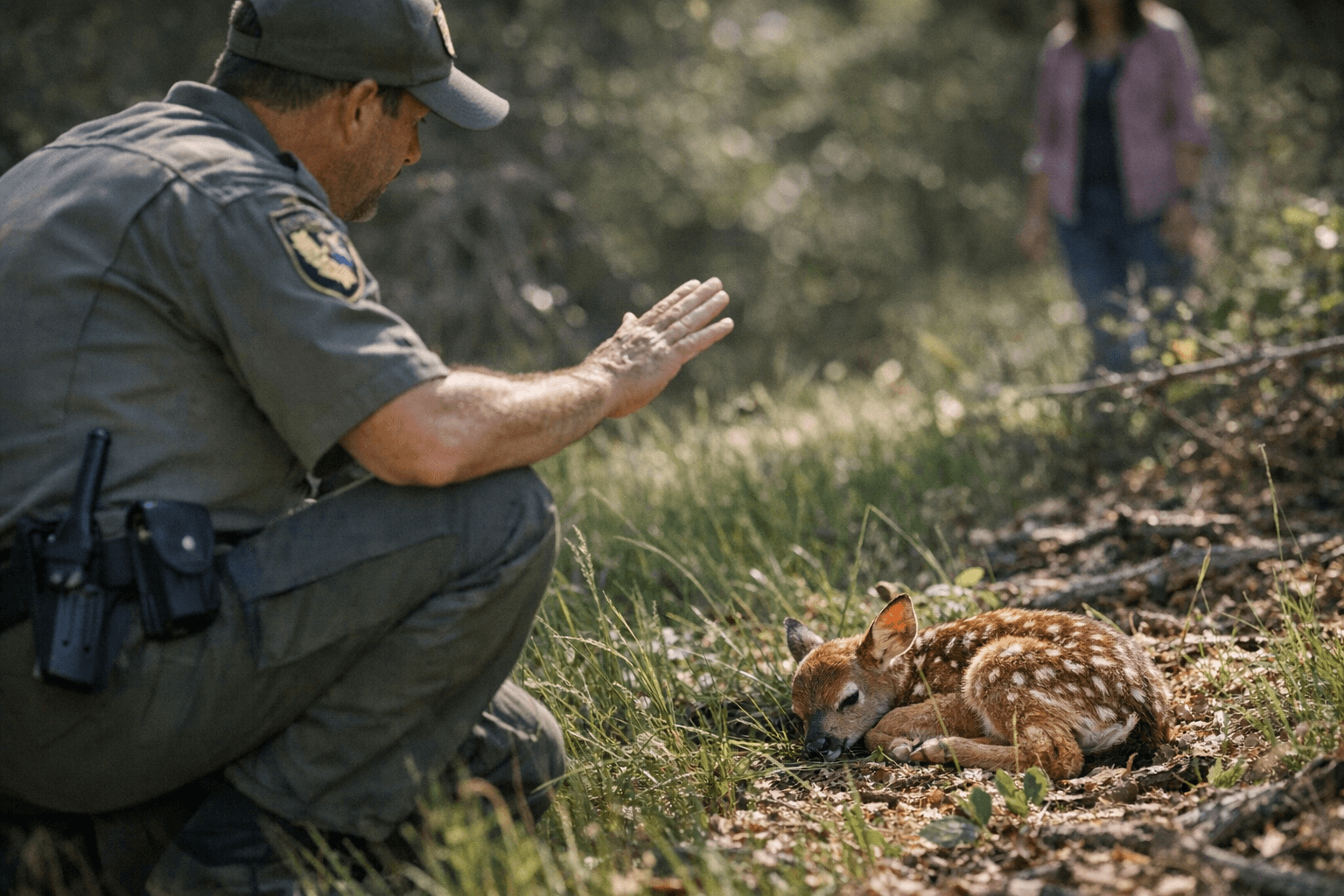
Finding a fawn curled alone in a Humboldt County yard or park this spring does not mean it needs saving. California Department of Fish and Wildlife officials urged residents Friday to resist the impulse to intervene, warning that well-meaning "rescues" frequently harm healthy animals and can carry criminal penalties under state law.
The scale of unnecessary intervention is significant. According to WildCare, a wildlife rehabilitation center in San Rafael, one in five fawns brought to the facility in 2013 were healthy animals that staff promptly returned to their mothers. Wildlife experts have widely adopted the term "kidnapping" to describe these well-intentioned removals of animals that were never truly in danger.
Does routinely leave newborns hidden in vegetation for hours at a time while foraging. A motionless fawn alone in the grass is almost always waiting, not abandoned. A wildlife professional quoted in the CDFW advisory put it plainly: "Our direction most often is to stay clear of the animal so the mother feels safe to return and so your presence does not attract unwanted attention to the fawn by people or other animals. In almost every case, the mother returns after dark or when it appears quiet and the mother feels safe to do so."
The consequences of removing a fawn extend well beyond the immediate encounter. A fawn taken from the wild loses access to the survival skills its mother would have taught it and cannot be released back into the wild afterward. Long-term placement in a zoo or sanctuary is unlikely given limited capacity, making euthanasia a frequent outcome when reunification is impossible. CDFW also cautions against moving fawns outside their local region due to disease concerns.
The legal exposure is equally serious. Under the California Fish and Game Code, both feeding deer and keeping deer in personal possession are misdemeanors, each subject to fines of up to $1,000 and six months in jail. More serious wildlife violations can draw fines up to $2,000 before court assessments multiply the base penalty further. Anyone who removes a young animal from the wild is legally required to notify CDFW or surrender it to a permitted wildlife rehabilitator within 48 hours; failure to comply adds further liability.
Intervention is appropriate only when a fawn is clearly injured, actively bleeding, in immediate danger such as in a roadway, or the mother is confirmed dead. In those cases, CDFW advises contacting professionals rather than attempting care at home. If a fawn is in traffic, gently moving it a few yards to nearby cover is acceptable, but taking it home is not.
Only a limited number of facilities statewide hold permits to accept fawns. Northern California residents can call the Fawn Rescue hotline operated by the Mendocino Wildlife Association at 707-931-4550. CDFW's wildlife rehabilitation program can be reached at RehabWildlife@wildlife.ca.gov for a list of licensed facilities serving Humboldt County.
This article was produced by Prism’s automated news system from verified source data, official records, and press releases, then run through automated quality and moderation checks before publishing. The system is built and supervised by the people who set the standards it runs under. Read our full AI policy.
Did this article answer your question?