Mary Keehn turned excess goat milk into Cypress Grove in Humboldt County
Mary Keehn built Cypress Grove from two goats and excess milk in Southern Humboldt, turning a household fix into a nationally known Humboldt brand.
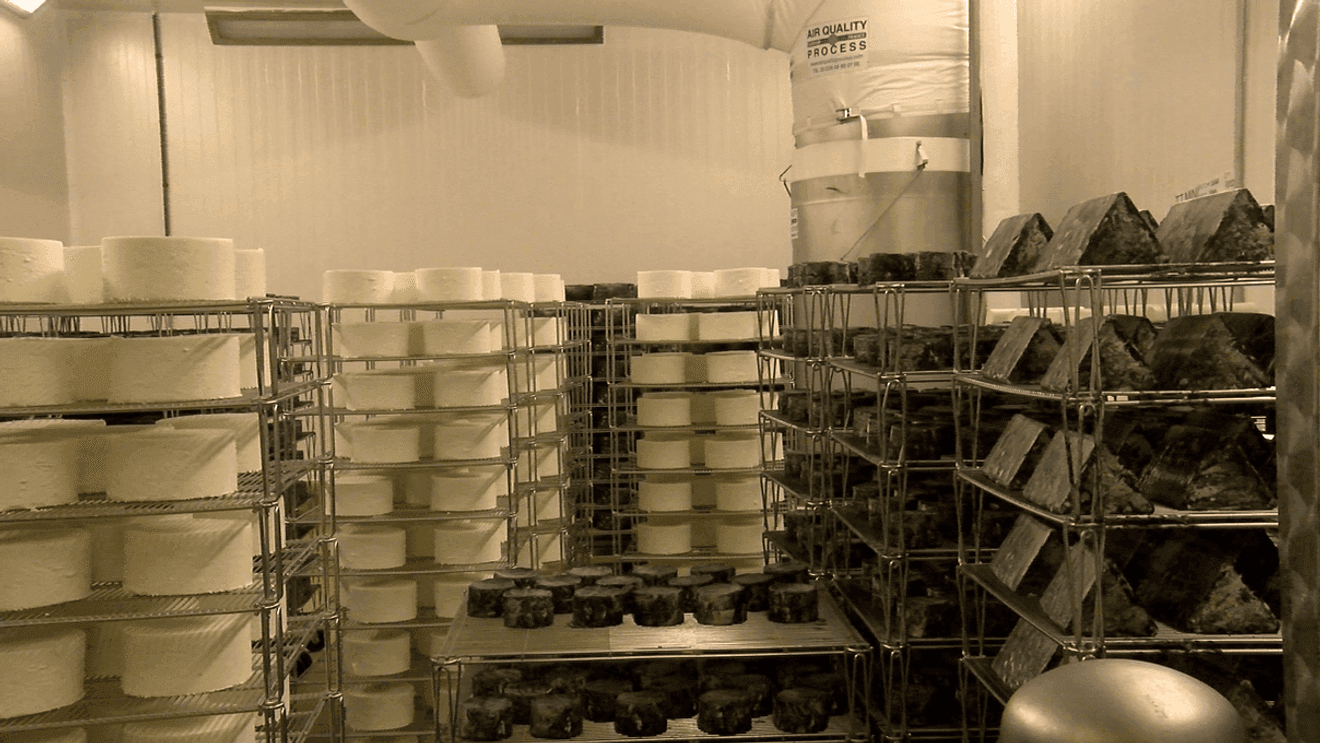
Mary Keehn did not set out to build one of America’s best-known artisan cheese names. She was a single mother in Humboldt County trying to make use of excess goat milk, feed four daughters, and waste as little as possible. What began as a practical household solution in 1983 became Cypress Grove, a company that helped put Humboldt Fog on the national map and made rural Humboldt look like a place where durable businesses can still start small.
From homestead goats to a business
Keehn started raising goats in Southern Humboldt in the 1970s, long before goat cheese had much of a place in the American market. Cypress Grove’s own history describes her as a self-described “serious hippie” who wanted healthier milk for her kids, and the company says the business grew from “two goats and a dream.” Those two goats, Hazel and Esmeralda, became the basis for a company that would eventually ship nationwide.
The scale of the leap matters. At the time Cypress Grove began, American-made goat cheese was described as virtually nonexistent, and one account says only a handful of producers were making goat cheese nationwide in the early 1980s. Keehn has said people would physically back away when the phrase “goat cheese” came up, a reminder that the market she entered was not just small, but skeptical. She was not chasing a trendy category. She was building demand where almost none existed.
The business also carried a personal discipline that shaped its identity. Keehn has described herself as a Depression-era kid who did not want to waste anything, and that instinct turned into cheese-making at home before it became a company. In Humboldt, that kind of thrift is not just a personality trait. It is a business model rooted in making do, adapting quickly, and finding value in what would otherwise be excess.
How Humboldt Fog changed the company
Cypress Grove’s signature cheese, Humboldt Fog, became the product that turned a local goat operation into a name known far beyond the county. The company’s growth was not linear or inevitable; it came from experimentation, travel, and a willingness to translate outside ideas into something suited to California’s North Coast.
One important turning point came during a trip to France. According to one account, Keehn stayed with a farm family, learned to make Brie-style cheese, and on the flight home imagined a cheese that would combine French influence with an American form better suited to transport and storage. Another company account says the idea for Humboldt Fog came to her in a dream, and a 1992 company feature places that dream directly at the center of the cheese’s origin story. Whether the inspiration came from sleep or from the long flight back, the point is the same: Humboldt Fog was born from creative adaptation, not from copying a market leader.
That origin story helped the cheese stand out in a country where goat cheese was still unfamiliar to many shoppers. It also gave the brand a narrative that was easy to remember and easy to share. A New York Times feature later helped expand demand and introduced Cypress Grove to a wider audience, reinforcing what the product had already begun to prove: a company from Arcata could compete nationally if the cheese was distinctive enough.
What national reach meant for Humboldt County
Cypress Grove’s growth carries a larger economic lesson for Humboldt County. The company did not emerge from a tech incubator or a metropolitan food hub. It grew from a family need in Southern Humboldt and then from a small Arcata operation that was willing to take risks in a market that barely existed. That path matters because it shows how local entrepreneurship can reshape a place’s identity from the inside out.
The company’s scale today shows how far that idea traveled. Cypress Grove’s site says it now ships nationwide, and California Bountiful reported that it milks more than 900 goats in Humboldt County. That is a striking contrast with the beginning, when the business started with Hazel and Esmeralda and a kitchen-level problem of too much milk. The growth created a visible agricultural footprint in the county, keeping goat milk production tied to Humboldt even as the brand gained customers far beyond it.
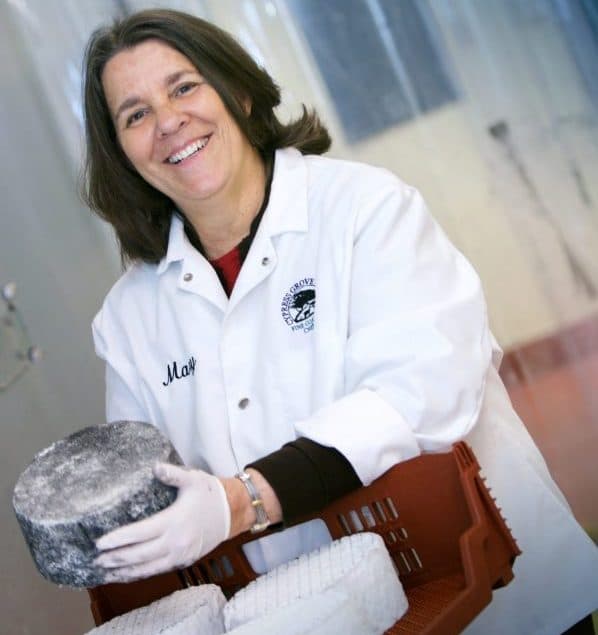
For local agriculture, that kind of company matters because it creates demand for a specialized product that is difficult to build around without a committed buyer. For local identity, it matters because it gives Humboldt a nationally recognized name that is still rooted in the same landscape that produced it. Cypress Grove became proof that a rural county can support a premium food business without becoming generic in the process.
A company still changing shape
Cypress Grove’s recent history suggests another phase of growth rather than a closed chapter. A company notice says that effective in May 2026, Cypress Grove transitioned away from its company-owned dairy to focus on long-term cheesemaking growth. That change signals how the business is adapting again, this time from a farm-centered operation toward a model built around cheesemaking itself.
Even with that shift, the company’s origin story remains central to how people understand it. Mary Keehn turned a surplus of milk into a brand with national reach, but she also helped set a template for what Humboldt business can look like: resourceful, locally rooted, and willing to grow from necessity instead of hype. In a county where so many enterprises are small, seasonal, or vulnerable to market swings, Cypress Grove stands out because it lasted, expanded, and still carries the imprint of the place where it started.
That is the real Humboldt lesson in Keehn’s story. A business can begin with a kitchen problem, survive in an unfamiliar market, and become part of the county’s economic identity without losing its local origins. Cypress Grove did exactly that, and it did it from a patch of Humboldt where two goats and a determined mother were enough to begin.
This article was produced by Prism’s automated news system from verified source data, official records, and press releases, then run through automated quality and moderation checks before publishing. The system is built and supervised by the people who set the standards it runs under. Read our full AI policy.
Know something we missed? Have a correction or additional information?
Submit a Tip