New documentary spotlights collapse of Redwood Coast kelp forests
More than 95% of Northern California’s kelp canopy has vanished, and Humboldt screenings showed how the loss is hitting fisheries, tourism and Tribal waters.
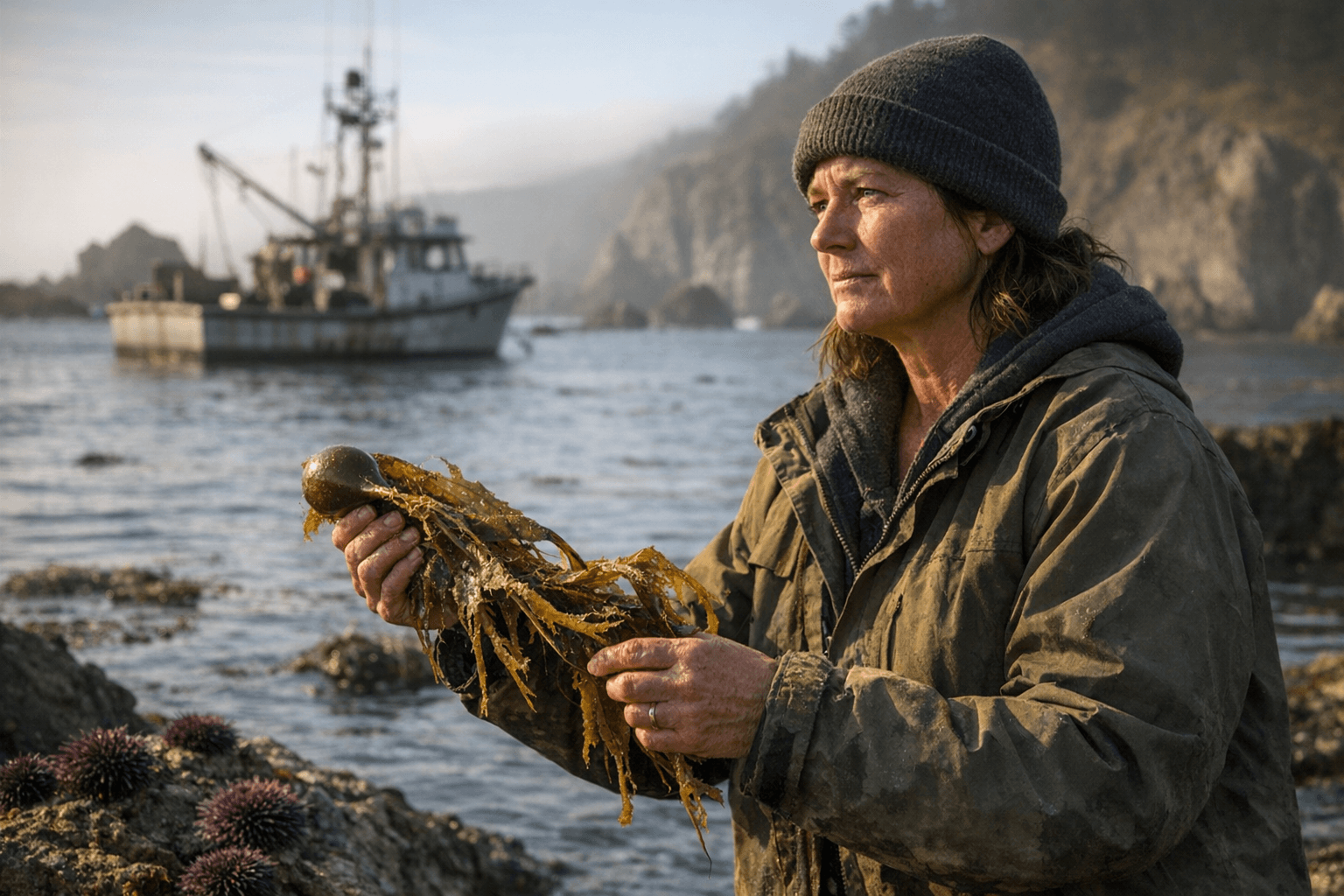
The collapse of the Redwood Coast’s kelp forests was no longer an abstract marine-science story when Sequoias of the Sea screened in Arcata and Klamath. The film put a hard number on the loss: more than 95% of Northern California’s kelp canopy has disappeared, leaving many stretches of coast dominated by purple sea urchins in barren underwater landscapes.
For Humboldt County, the damage reaches well beyond conservation. Kelp forests support commercial and recreational fishing, marine biodiversity, coastal resilience and the daily life of communities tied to the water, including Tribal and local users around Trinidad Bay. Natasha Benjamin, the filmmaker behind the project, has described kelp as “the new coral,” a reminder that the forest below the surface functions as critical habitat, not scenery.
The screenings were paired with Humboldt Surfrider’s Ocean Night and post-film panels at Arcata Theatre Lounge and Yurok Tribal Headquarters. In Arcata, the discussion included Benjamin, Yurok Tribe Marine Director Kevin McKernan and Cal Poly Humboldt researcher Laurie Richmond. The events pushed a local audience to confront a regional loss that stretches from Sonoma County through Mendocino County and into Humboldt.
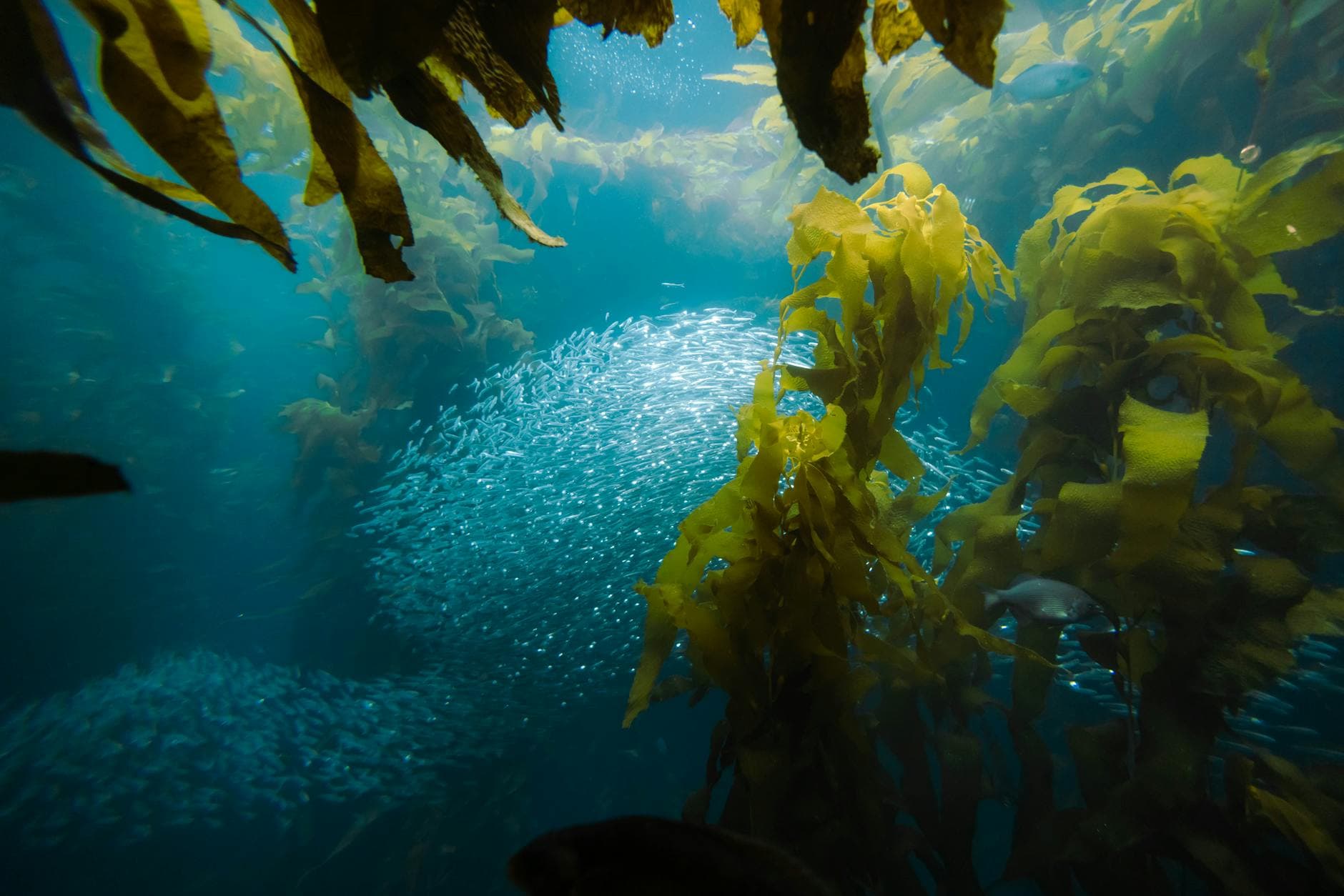
The film’s central story follows a chain reaction that scientists have documented for years. Kelp needs cold, nutrient-rich water, but a marine heat wave and unusually warm conditions from 2014 through 2017 stressed and killed vast stands of bull kelp. At the same time, sea star wasting syndrome wiped out 20 species of sea stars, including the sunflower star, one of the main predators that helps keep sea urchins in check. With fewer predators and less kelp habitat, urchins spread into the vacuum, and urchin barrens took hold.
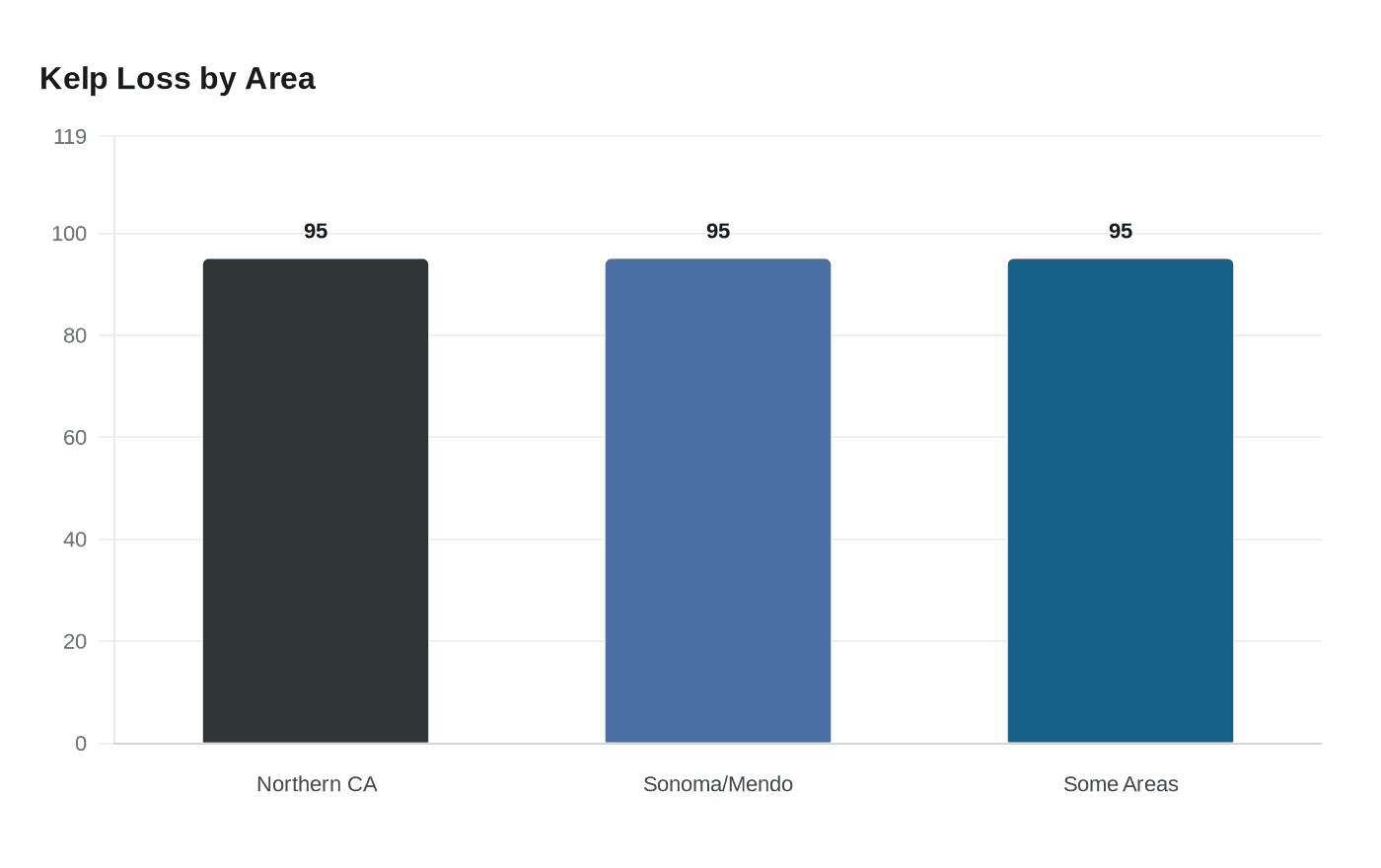
A 2019 peer-reviewed study found that bull kelp canopy fell by more than 90% along more than 350 kilometers of coastline, with urchin barrens beginning in 2015. NOAA’s Greater Farallones National Marine Sanctuary has said kelp along the Sonoma and Mendocino coastlines deteriorated dramatically in just a few years, with some areas losing up to 95% of their kelp.
State and regional recovery efforts are now trying to respond to that scale of loss. California’s Department of Fish and Wildlife and the Ocean Protection Council are developing a statewide Kelp Restoration and Management Plan, and the Sonoma-Mendocino Bull Kelp Recovery Plan, issued in April 2019, set out a North Coast framework for restoration. Local multi-partner projects, including the Big River Kelp Recovery Project, show the issue has become institutional as well as ecological.
For Humboldt, the message is stark: the kelp collapse is already reshaping fisheries, habitat and recreation, and any recovery will require the same urgency that coastal communities give to wildfire, flooding and other threats to life on the North Coast.
This article was produced by Prism’s automated news system from verified source data, official records, and press releases, then run through automated quality and moderation checks before publishing. The system is built and supervised by the people who set the standards it runs under. Read our full AI policy.
Did this article answer your question?