North Coast offshore wind terminal advances despite federal headwinds
The Samoa Peninsula terminal is still moving, even after Washington withdrew a $426.7 million grant. Residents will question the plan in Arcata on June 24.
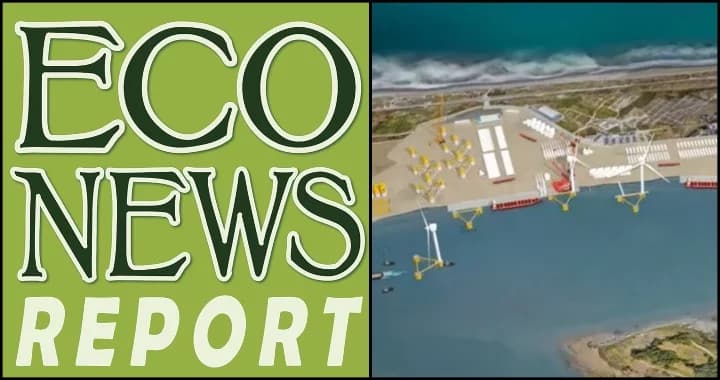
The heavy-lift terminal planned for the Samoa Peninsula is still moving, even after Washington withdrew a $426.7 million grant that had been central to the financing picture. Humboldt Bay Harbor District officials are now taking the project back to Arcata, where residents will get a chance to press them on jobs, environmental risk and who would ultimately pay for the port upgrade.
The Harbor District says the Humboldt Bay Heavy Lift Marine Terminal is meant to support floating offshore wind development and other coastal-dependent industries. Its project materials point to state and federal buildout targets, including California goals of 5 gigawatts of offshore wind by 2030 and 25 gigawatts by 2045, alongside national goals of 30 gigawatts by 2030 and more than 110 gigawatts by 2050. For Humboldt County, the question is less about abstract energy policy than about whether a working terminal can be built on the bay without overwhelming nearby neighborhoods, traffic routes and marine uses.
The project formally entered CEQA review on June 28, 2023, when the Harbor District filed a Notice of Preparation for a draft environmental impact report for a roughly 180-acre redevelopment site on the Samoa Peninsula. That filing listed 200 jobs tied to the project, a number that will matter to workers looking for long-term construction, marine and operations work as much as to skeptics asking how many of those positions would actually stay local. The district says it invited 10 Tribal governments to consult in June 2023, and seven Tribes had accepted by the time of its project page. It also adopted a Community Engagement Commitments and Strategies Plan in early 2024 to shape public participation around the terminal itself, not offshore wind farms or transmission elsewhere.
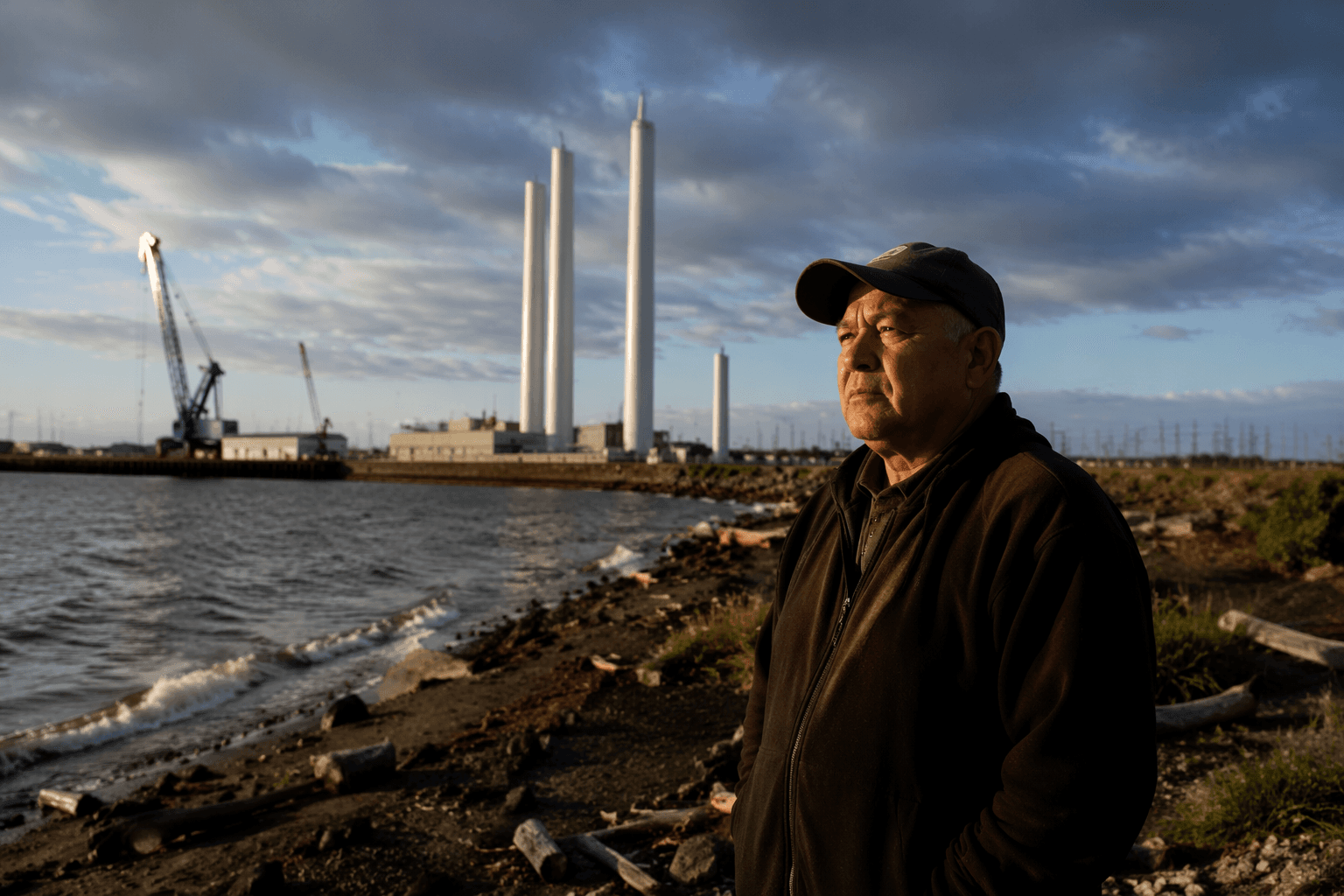
The development path has already run through several hard turns. The Harbor District began planning in 2020 with a Headwaters Fund grant. In October 2022, it entered an exclusive right to negotiate with Crowley Wind Services, but that agreement expired at the end of March 2024 without a lease or operating deal. The district announced the $426.7 million INFRA grant in January 2024, then lost it in August 2025 when the U.S. Department of Transportation withdrew the award as part of a broader $679 million pullback affecting offshore-wind-related port projects. North Coast Offshore Wind has said the district was aiming to finish environmental review and permitting in 2027 or 2028, begin mitigation work in 2027 and start construction in 2029.
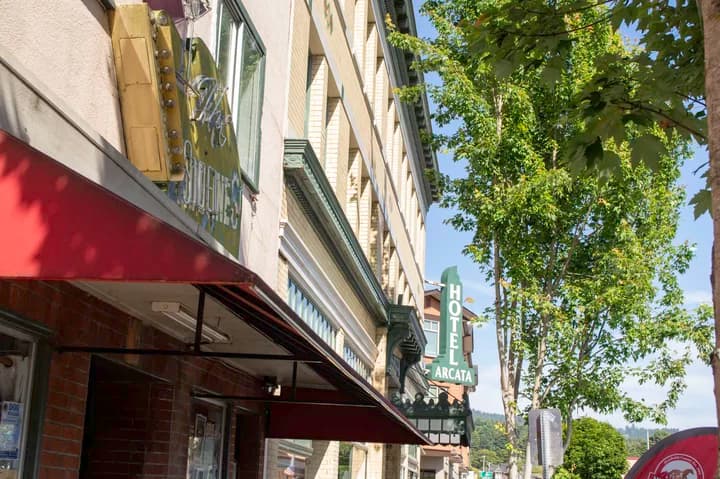
That longer timeline is why Wednesday’s public meeting matters. The Harbor District’s Community Advisory Committee, including Rachael Smith, Colleen Clifford and Matt Simmons, will meet with Development Director Rob Holmlund from 5:30 to 7:30 p.m. June 24 at the Arcata Community Center. Humboldt Waterkeeper has said the district’s studies included a 10-knot vessel speed limit intended to reduce whale and marine mammal collision risk, but it has also raised concerns about dredging, noise, light, air pollution, traffic, aquaculture and recreation. The terminal may still be on the board, but the next phase will be decided as much by public scrutiny as by engineering plans.
This article was produced by Prism’s automated news system from verified source data, official records, and press releases, then run through automated quality and moderation checks before publishing. The system is built and supervised by the people who set the standards it runs under. Read our full AI policy.
Did this article answer your question?