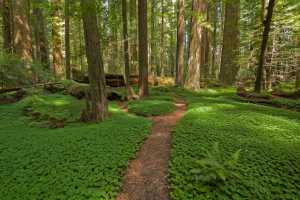
One Perfect Day in Eureka: Food, Hikes, and Culture Worth Exploring
Eureka packs food, trails, and culture into one very doable day — here's how to make every hour count.

Eureka sits at the edge of Humboldt Bay with enough to fill a day completely and still leave you wanting more. The city rewards the kind of traveler who arrives with a rough plan and a full tank of gas, ready to move between redwood-shaded trails, Victorian streetscapes, and kitchens that take their ingredients seriously. This guide is built for exactly that kind of day: no overnight bag required, no multi-stop road trip necessary, just one well-spent stretch of hours in one of California's most underappreciated coastal cities.
Start the Morning on the Water
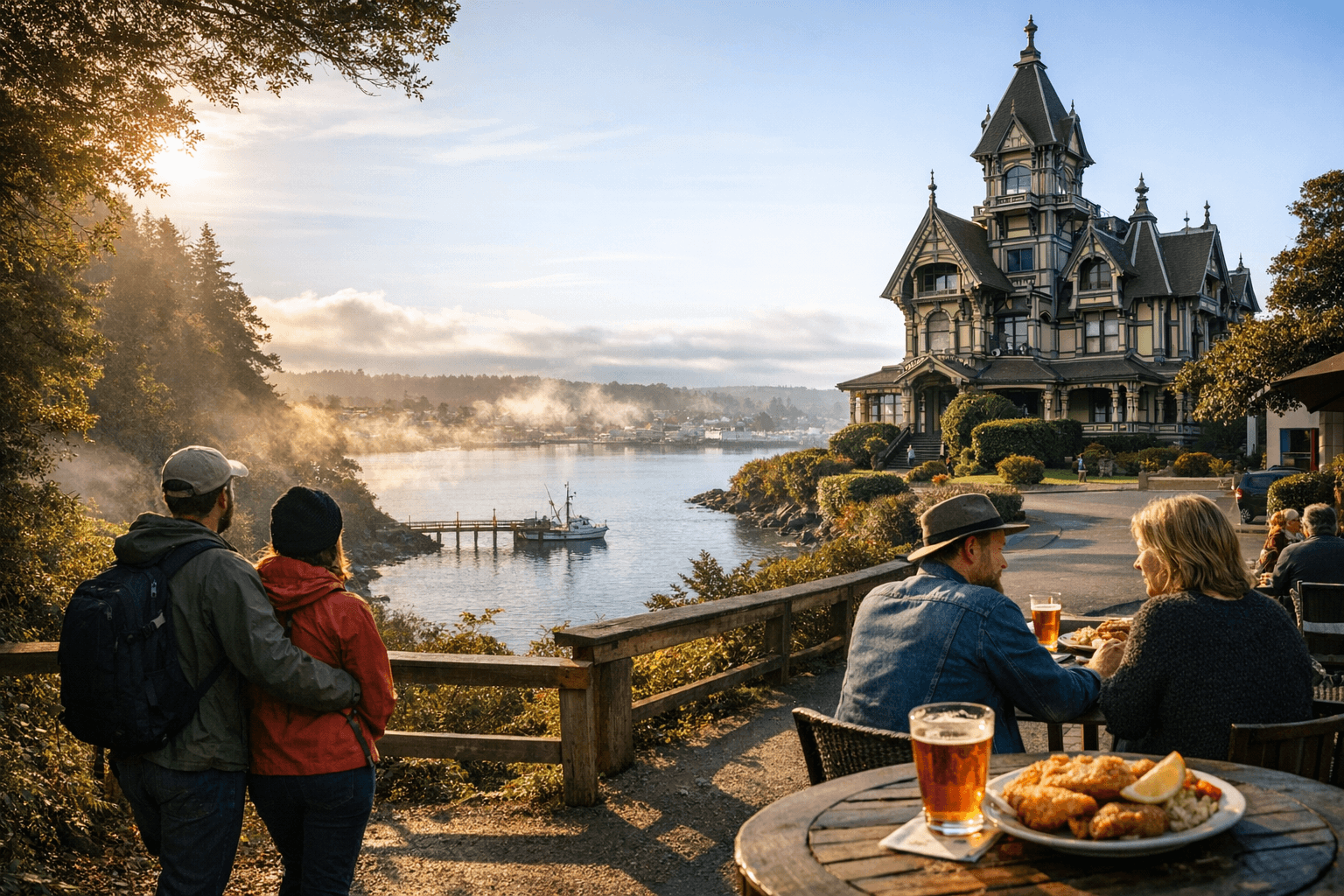
The day earns its footing fastest when you begin near Humboldt Bay. The waterfront along the Eureka boardwalk sets an immediate sense of place: fishing boats at the docks, the low marine layer burning off over the bay, and the kind of quiet that a working harbor still holds in the early hours. This is not a manufactured tourist waterfront; it's a functional, lived-in stretch of coast that gives the rest of the day context.
From the boardwalk, Old Town Eureka is within easy walking distance, and the architecture alone justifies the detour. The Carson Mansion, widely cited as one of the most ornate Victorian homes in the United States, anchors the neighborhood's visual identity even if you're only admiring it from the street. The surrounding blocks of F and G Streets are dense with restored Victorians, gallery storefronts, and small independent shops that open as the morning progresses.
Where to Eat
Eureka's food culture punches well above its population size, and the concentration of quality options in and near Old Town makes it easy to eat well without spending the whole day searching.
For breakfast or a mid-morning stop, the café scene along 2nd and 3rd Streets offers multiple options for coffee and local pastries. The city has a deep relationship with its fishing and farming communities, which means that what ends up on plates here tends to travel a short distance from source to table.
For lunch, Old Town's restaurants draw on that same regional supply chain. Oysters from Humboldt Bay, Dungeness crab in season, and locally baked bread appear on menus in ways that reflect what's actually available nearby rather than what a corporate supply chain decided to ship. Plan to eat somewhere that lists its sourcing: in Eureka, that's usually a sign the kitchen is paying attention.
If the day runs long enough to need dinner, Broadway and the surrounding commercial corridors offer a wider range of options, from casual to sit-down, with enough variety that the choice depends more on appetite than availability.
Short Hikes Worth the Drive
Eureka itself is flat, but the surrounding landscape is anything but, and a short drive in almost any direction puts you at a trailhead worth stopping for.
To the north, the Arcata Community Forest, roughly 10 miles up Highway 101, offers miles of redwood trails accessible to hikers of varying fitness levels. It's one of the oldest community-owned forests in the United States and feels nothing like a managed park: the canopy is dense, the undergrowth is thick, and the trail network rewards wandering.
Closer to the city, the Elk River Wildlife Area on Eureka's southern edge provides a quieter, marshy alternative for those who want birds and bay views rather than towering trees. The terrain is gentle and the access is easy, making it a practical option even if hiking isn't the centerpiece of the day.
For drivers willing to add 20 to 30 minutes each way, the Avenue of the Giants corridor through Humboldt Redwoods State Park to the south delivers some of the most visually overwhelming old-growth redwood scenery accessible without a serious backcountry commitment. Even a single short walk beneath the Founders Grove canopy recalibrates your sense of scale in a way that's hard to replicate elsewhere.
Culture and History
Eureka holds more institutional cultural weight than its size suggests. The Blue Ox Millworks on X Street operates as both a working Victorian-era mill and a living history site, producing gingerbread trim, hand-painted tiles, and architectural woodwork using period techniques. Tours run regularly and offer a detailed look at the craftsmanship that built the neighborhood you walked through in the morning.
The Clarke Historical Museum on E Street is the region's primary repository for Native American artifacts and North Coast history, with collections that cover the Wiyot people, the Gold Rush era, and the development of Humboldt County's timber and fishing industries. It's a serious museum in a small building, and the depth of its collections rewards a longer visit than most people initially plan for.
The Wiyot Tribe's Tuluwat Island, located in Humboldt Bay, carries profound historical significance as the site of the 1860 massacre and as a place of ongoing cultural reclamation. The tribe regained ownership of the island in stages beginning in 2000, and its restoration continues as one of the most meaningful acts of Indigenous land return in California history. Depending on the time of year and tribal events, the island may be accessible; it's worth checking current information before the visit.
Practical Notes for the Day
Eureka is a driver's city, and parking is generally manageable throughout Old Town and the commercial corridors. Most of the morning's cultural and food stops cluster tightly enough that you can park once and walk for several hours before needing to move the car.
A few things worth knowing before you go:
- Old Town's shops and galleries tend to open between 10 a.m. and 11 a.m., so arriving earlier means starting with the waterfront and working inward.
- The Clarke Historical Museum and Blue Ox Millworks both have specific operating hours and seasonal variations; checking ahead saves a wasted trip.
- Humboldt Bay's weather operates on its own logic, and a morning that starts under fog can shift dramatically by early afternoon. Layers make the difference between a comfortable day and a cold one.
- If you're planning to drive to any of the redwood sites, gas up in Eureka before heading south; options thin out quickly along the Avenue of the Giants.
A single day in Eureka won't exhaust what the city and its surroundings offer, which is exactly the point. The places described here are not hidden gems requiring insider access or careful timing: they are the reliable, well-established anchors of a region that has been shaped by water, timber, Indigenous history, and a certain stubbornness about staying itself. Come for one day, and you'll leave understanding why people who live here rarely feel the need to leave.
This article was produced by Prism’s automated news system from verified source data, official records, and press releases, then run through automated quality and moderation checks before publishing. The system is built and supervised by the people who set the standards it runs under. Read our full AI policy.
Did this article answer your question?