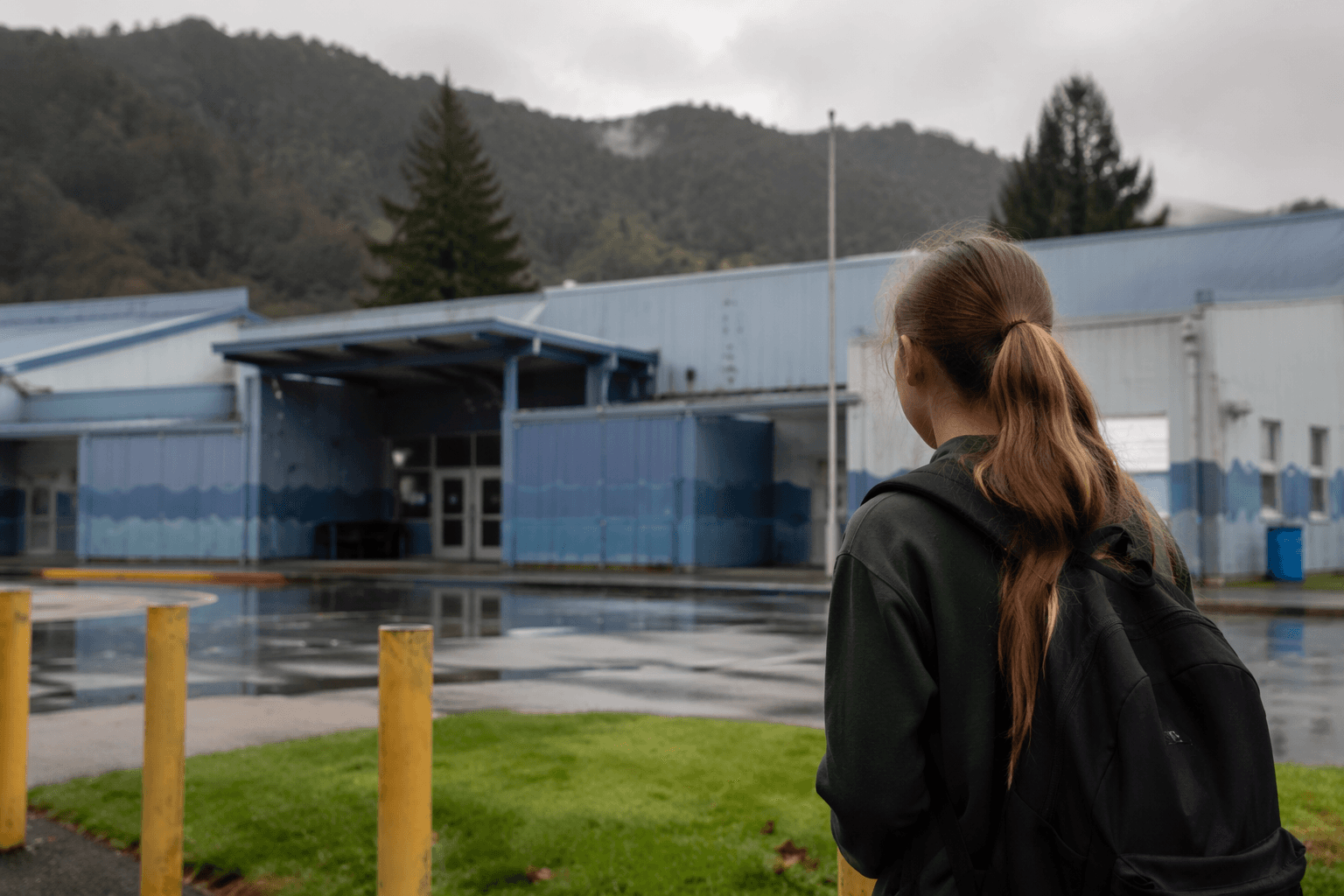
Pelican Bay Scholars Transform Javier De La Torre's Path to Law School
A Pelican Bay Scholars student, Javier De La Torre, turned prison education into a path toward law school. His progress shows how local reentry programs advance safety, equity, and careers.
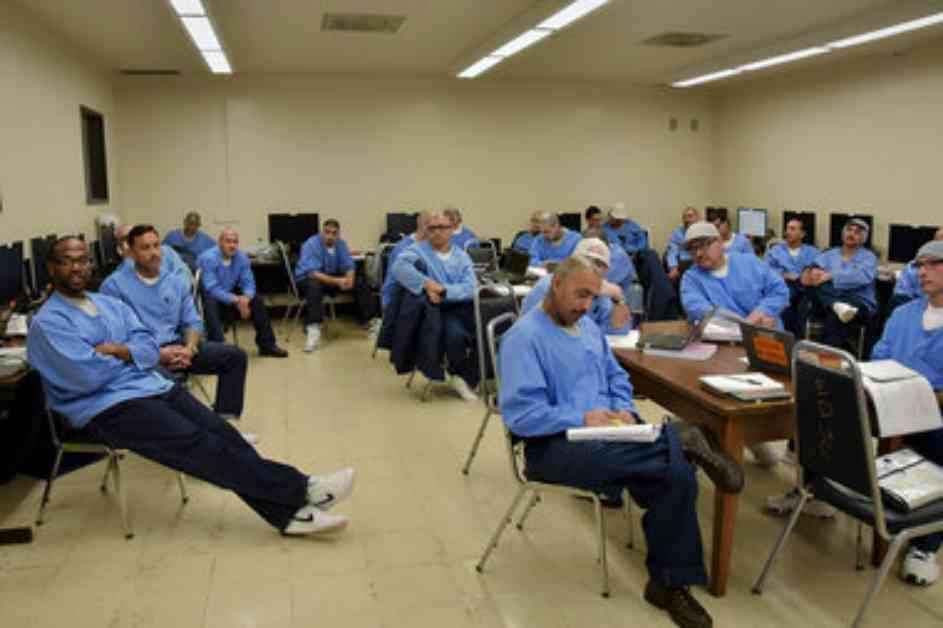
Javier De La Torre’s trajectory from gang involvement and personal loss to law school aspiration underscores a growing local strategy: education and wraparound supports inside and beyond prison can change lives and strengthen communities. While incarcerated he earned his GED and associate degrees through the College of the Redwoods’ Pelican Bay Scholars Program, then continued his studies and found employment after release. He now plans to finish a bachelor’s degree at Cal Poly Humboldt and pursue law school.
The Pelican Bay Scholars Program connects in-prison instruction with community colleges and university transfer pathways, and partnerships with Cal Poly Humboldt and Project Rebound provide the post-release support that made De La Torre’s transition possible. For Humboldt County, those linkages matter beyond a single success story. They help fill workforce gaps, reduce barriers to stable employment, and lower the likelihood of recidivism - outcomes that contribute to public safety and population health across the North Coast.
Education as a public-health intervention is especially relevant in communities like Humboldt where poverty, substance use, and trauma intersect with criminal legal involvement. Returning residents face higher rates of chronic illness, mental-health needs, and housing instability. Programs that combine academic instruction with advising, transfer assistance, and reentry services address those social determinants of health by expanding opportunity and connecting people to local supports. Strengthening these pathways can ease pressure on service systems and foster healthier families and neighborhoods.
De La Torre’s pathway also highlights systemic equity issues. People with criminal records confront persistent legal and economic barriers to education and professional licensure. Local collaborations that include community colleges, Cal Poly Humboldt, and campus-based Project Rebound work to dismantle those obstacles by creating clear transfer routes and on-campus supports for formerly incarcerated students. For Humboldt, supporting such programs is a direct investment in restorative approaches that center second chances and community repair.

The community implications are practical as well as moral. Students who transition successfully into higher education are more likely to contribute locally as workers, volunteers, and advocates. A former incarcerated student training to be a lawyer could expand access to legal help for underserved residents, strengthen tenant and family law supports, or inform policy conversations about justice reinvestment on the North Coast.
De La Torre’s story points to a concrete next step for the region: sustaining and expanding coordinated education and reentry services so more people can follow a similar path. For Humboldt County residents, that means backing partnerships between College of the Redwoods, Cal Poly Humboldt, Project Rebound, and community providers to turn education inside into opportunity outside.
This article was produced by Prism’s automated news system from verified source data, official records, and press releases, then run through automated quality and moderation checks before publishing. The system is built and supervised by the people who set the standards it runs under. Read our full AI policy.
Did this article answer your question?