Quiet water rights talks raise stakes for Eel River future
Internal documents suggest a Southern California district has been mapping Eel River water rights since December, even as Humboldt County backs dam removal.
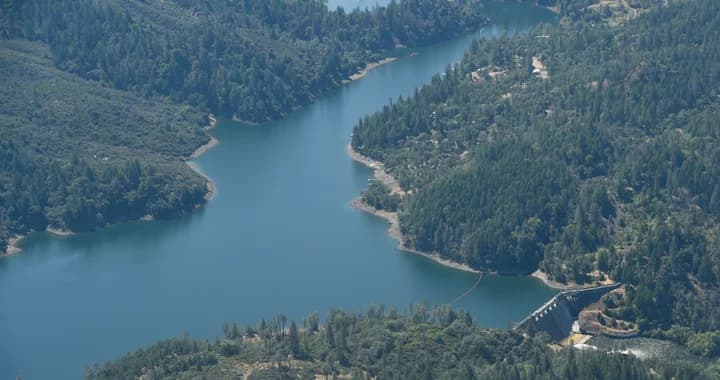
Quiet negotiations over the Eel River have added a new layer of risk to the Potter Valley debate, with internal documents suggesting the Elsinore Valley Municipal Water District has been studying the river’s water rights for months while never holding an open public meeting on the matter. The records, as described in the reporting, point to a strategy that could shift leverage away from Humboldt and the Eel basin just as local agencies, tribes and fisheries advocates are trying to lock in a long-term plan for the river’s future.
The timing matters because the legal track around the Potter Valley Project is already moving. Pacific Gas and Electric Company filed its license surrender application and decommissioning plan with the Federal Energy Regulatory Commission on July 25, 2025, and FERC accepted the filing and opened public comment on October 31, 2025. Humboldt County says PG&E is preparing to remove Scott Dam and Cape Horn Dam to restore a free-flowing Eel River and re-establish fish passage.
At the same time, a July 2025 Water Diversion Agreement laid out the framework for a new Eel-Russian facility alongside dam removal. Humboldt County says the agreement, signed by Humboldt County, Sonoma Water, Mendocino County Inland Water and Power Commission, Round Valley Indian Tribes, California Trout, Trout Unlimited and the California Department of Fish & Wildlife, would place Eel River water rights in the hands of Round Valley Indian Tribes and limit diversions to fisheries needs. The agreement also sets an initial 30-year term, a conditional 20-year renewal, and a phase-out concept once the Russian River basin becomes self-reliant.

That locally negotiated structure is what the new documents appear to threaten. According to the reporting, EVMWD’s internal planning suggests the agency may want to sell water to Russian River users at a premium and use the proceeds to fund its own operations, turning a regional infrastructure question into a financial play. If that strategy advances, Humboldt County, the Round Valley Indian Tribes, Sonoma Water and other members of the Two-Basin Solution coalition could lose bargaining power over how the river is managed and who benefits from its water.
The political stakes widened in Washington after Congressman Jared Huffman opened a probe on April 28, 2026, sending letters to USDA Secretary Brooke Rollins, Interior Secretary Doug Burgum and EVMWD board president Andrew Morris. On June 2, Huffman said Rollins’s response was “incoherent” and argued that keeping the dams in place would not protect Russian River supplies. Then, on June 16, the Two-Basin Solution coalition said a USDA meeting with PG&E, Interior and EVMWD undermined the locally negotiated agreement and should not pull control away from the region.
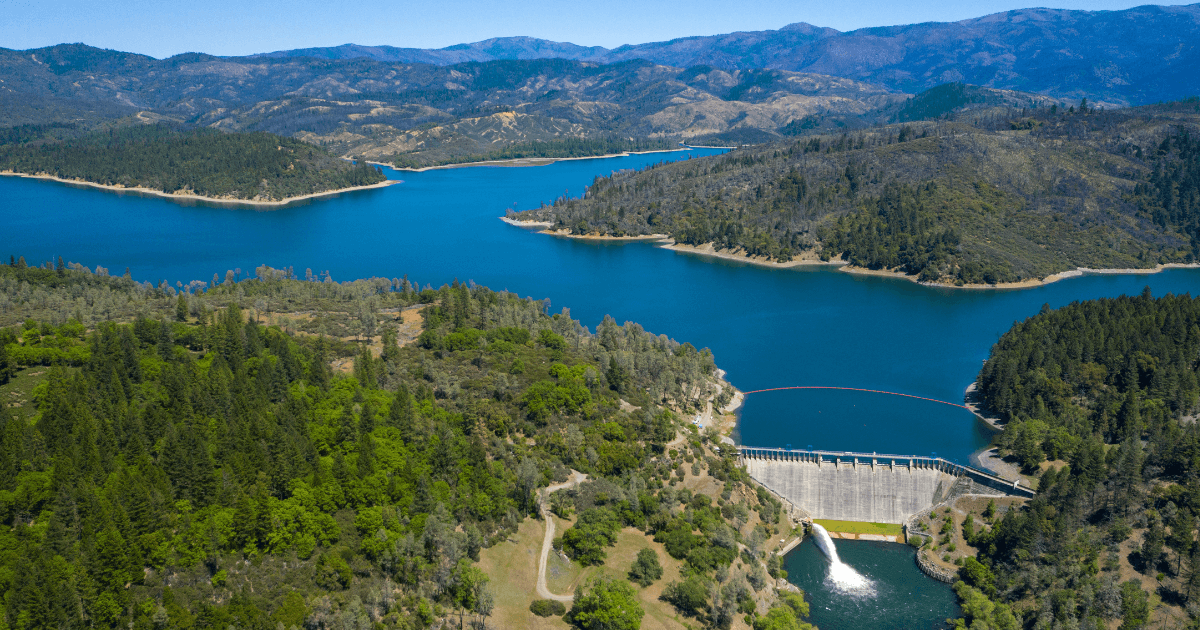
The numbers behind the fight are large. Federal and regional statements put the Russian River supply system at roughly 600,000 to 750,000 people, and one regional source says the Potter Valley Project can deliver about 62,500 acre-feet a year to the basin. For Humboldt County, the question now is not just whether the dams come out, but whether outside actors will try to monetize the river before local terms are finally set.
This article was produced by Prism’s automated news system from verified source data, official records, and press releases, then run through automated quality and moderation checks before publishing. The system is built and supervised by the people who set the standards it runs under. Read our full AI policy.
Did this article answer your question?