Redwood parks anchor Humboldt with forests, coastline, and conservation lessons
Redwood parks bring in more than scenery. Their visitor spending supports Humboldt jobs year-round, even as the forest teaches hard lessons about water, fire, and land use.
Redwood parks as Humboldt’s year-round engine
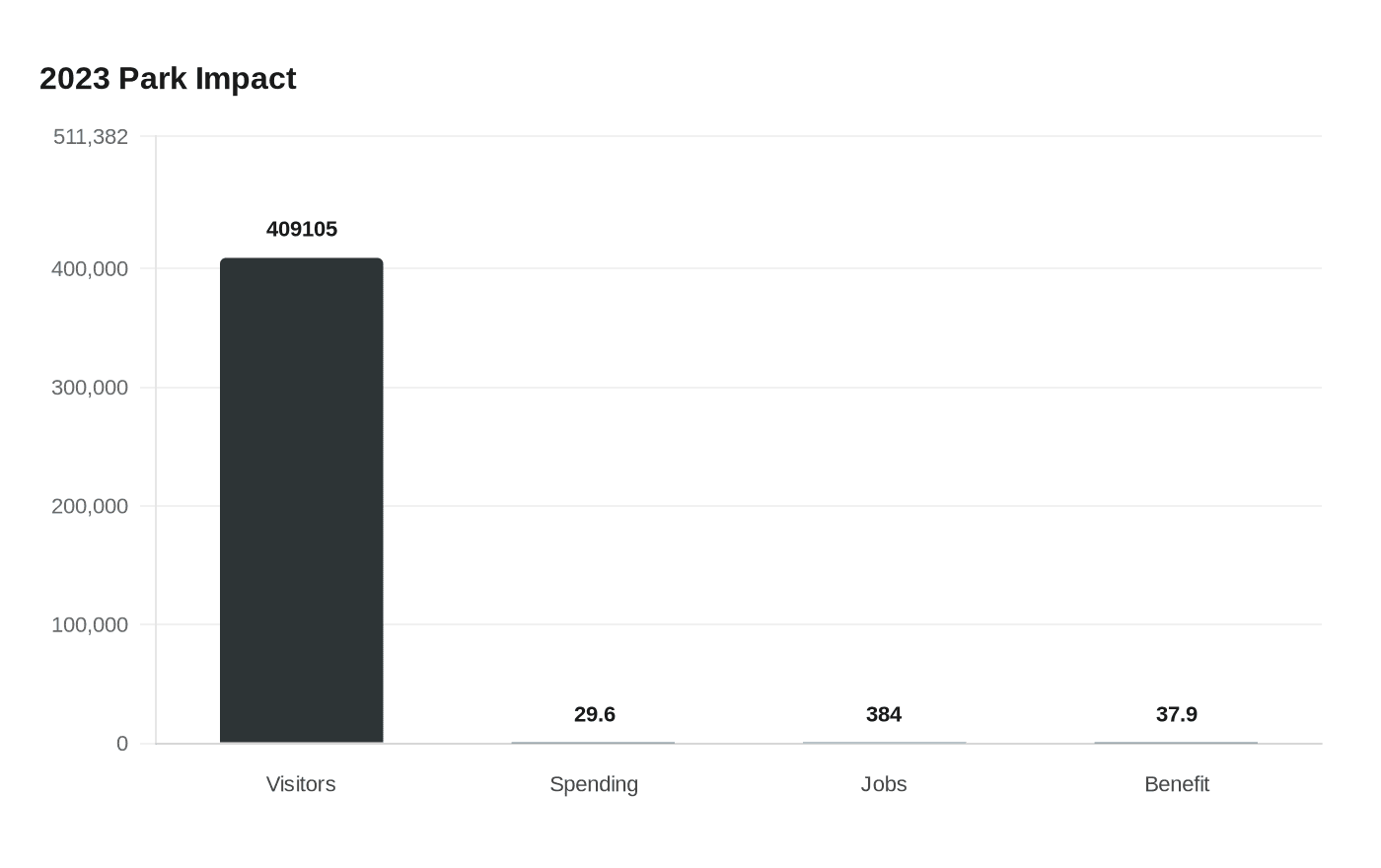
Redwood National and State Parks are not just a scenic backdrop on the North Coast. In 2023, 409,105 visitors spent $29.6 million in nearby communities, supporting 384 local jobs and producing a cumulative economic benefit of $37.9 million. For Humboldt County, that makes the parks a steady source of foot traffic, lodging demand, restaurant sales, and seasonal stability well beyond summer crowds.
The parks also give the county something rarer than a tourist draw: a shared civic asset that reaches from Crescent City to just south of Orick and ties together forests, coastline, and working communities. The park system spans about 130,000 acres, including roughly 40,000 acres of old-growth redwood forest, and protects about 40 miles of rugged coastline. It is one of the clearest places in California where natural capital and local economic resilience overlap.
What the park system actually includes
Redwood National and State Parks are broader and more varied than many first-time visitors expect. The landscape includes old-growth redwood forest, prairies, oak woodlands, wild rivers, and coastline, creating one of the most diverse public land systems in the state. That mix matters for Humboldt because it gives families, hikers, wildlife watchers, and road-trippers different reasons to come back in different seasons.
The park system is not one single experience, but several layered together. Prairie Creek Redwoods State Park, Redwood Creek, the coastal bluffs, and inland groves each offer a different view of the same ecological story. A morning in towering forest can turn into an afternoon on a beach or a pullout above the Pacific, and that flexibility helps keep visitor spending moving across a wider stretch of the county.
Why the parks matter beyond tourism
The parks are also an outdoor classroom for ecology, climate, and conservation. The redwood ecosystem depends on fog, moisture, and watershed health, so what happens in surrounding hills, streams, and forests affects the trees inside the park. That makes Redwood a living example of how wildfire awareness, trail maintenance, habitat protection, and land management work together.
That lesson reaches beyond park boundaries. In Humboldt County, where access to forests and beaches is part of everyday life, the parks function as a shared public space as much as a destination. They also reflect a much longer human history: the National Park Service says people have lived in this landscape for thousands of years, and the park’s history includes Indigenous communities, Euro-American settlement, and the logging era that reshaped the region.
The economic case for steady visitation
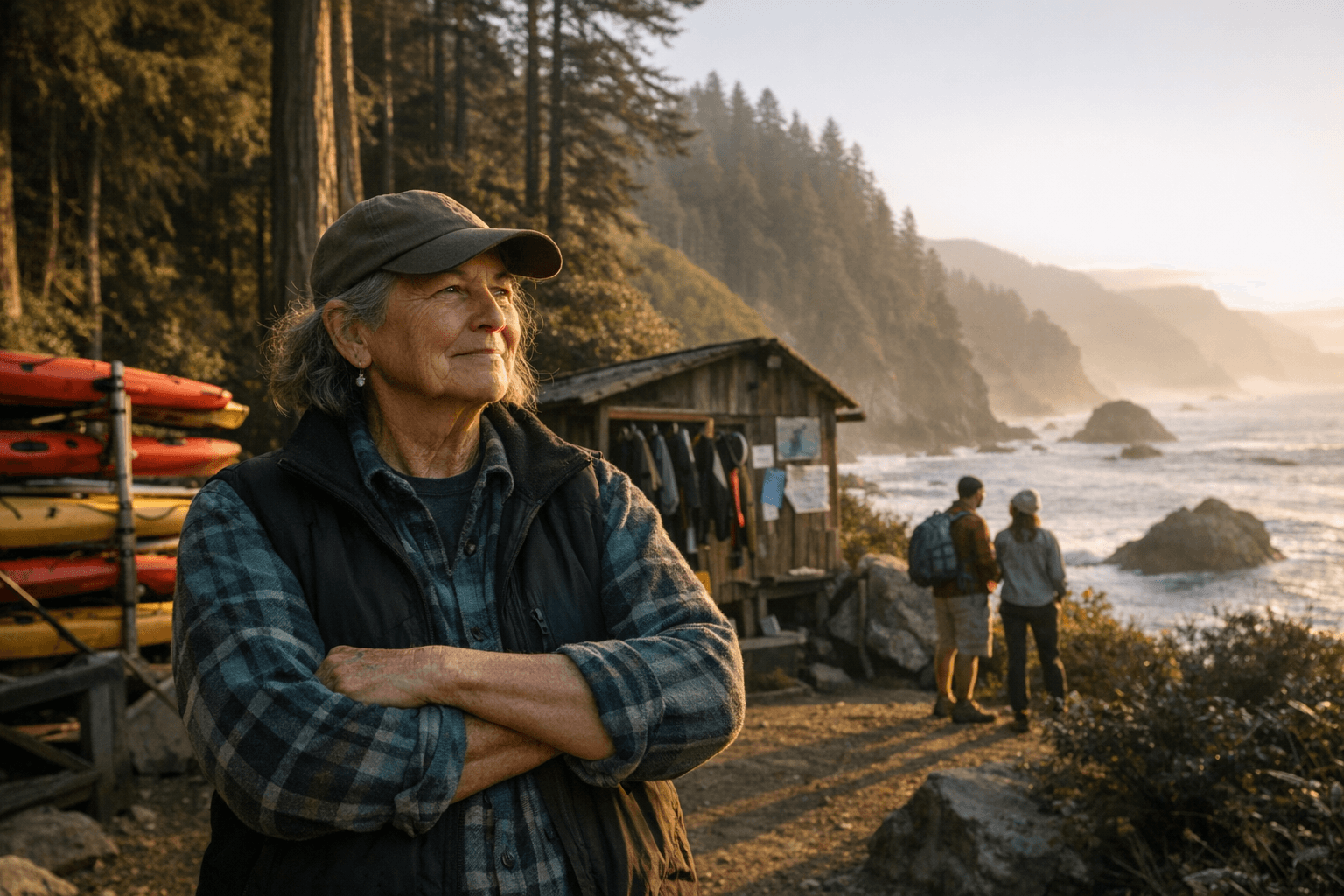
The economic impact of Redwood National Park is especially important because it does not depend on a single peak weekend. The park system is open year-round, even though visitor centers and campgrounds follow seasonal schedules. That means spring, fall, and even quieter winter stretches still matter to the businesses that rely on steady customer flow.
In Humboldt communities like Eureka, Arcata, McKinleyville, Fortuna, and the smaller coastal and inland towns, park traffic supports a daily web of spending. Lodging operators benefit when road-trippers stay overnight. Restaurants gain from hikers and families looking for a meal after time on the trail or coast. Gas stations, small stores, outfitters, and local service businesses all capture part of the park economy.
The broader significance is that Redwood is not simply a place people visit. It is part of how the county is seen from the outside and how it sustains itself on the inside. In a region where public headlines can swing between government, crime, or housing concerns, the parks provide a stable counterweight: a conservation landscape that also keeps money circulating locally.
How to experience the parks in every season
Redwood National and State Parks reward repeat visits because the experience changes with the weather and light. Spring usually brings lush growth, flowing creeks, and fewer crowds than peak summer. Fall often offers clearer light and comfortable hiking conditions. Winter can be quieter still, with the coast and forest taking on a more dramatic feel, especially for visitors who do not mind damp trails and cooler air.
The park’s five visitor centers help orient first-timers, while four developed campgrounds and seven backcountry campsites give longer-stay visitors different ways to move through the landscape. That range makes the park system unusually accessible. A quick stop off U.S. 101 can turn into a short walk, while a longer trip can become a multi-day stay with time in both forest and coastal settings.
A practical stop: Tall Trees Grove
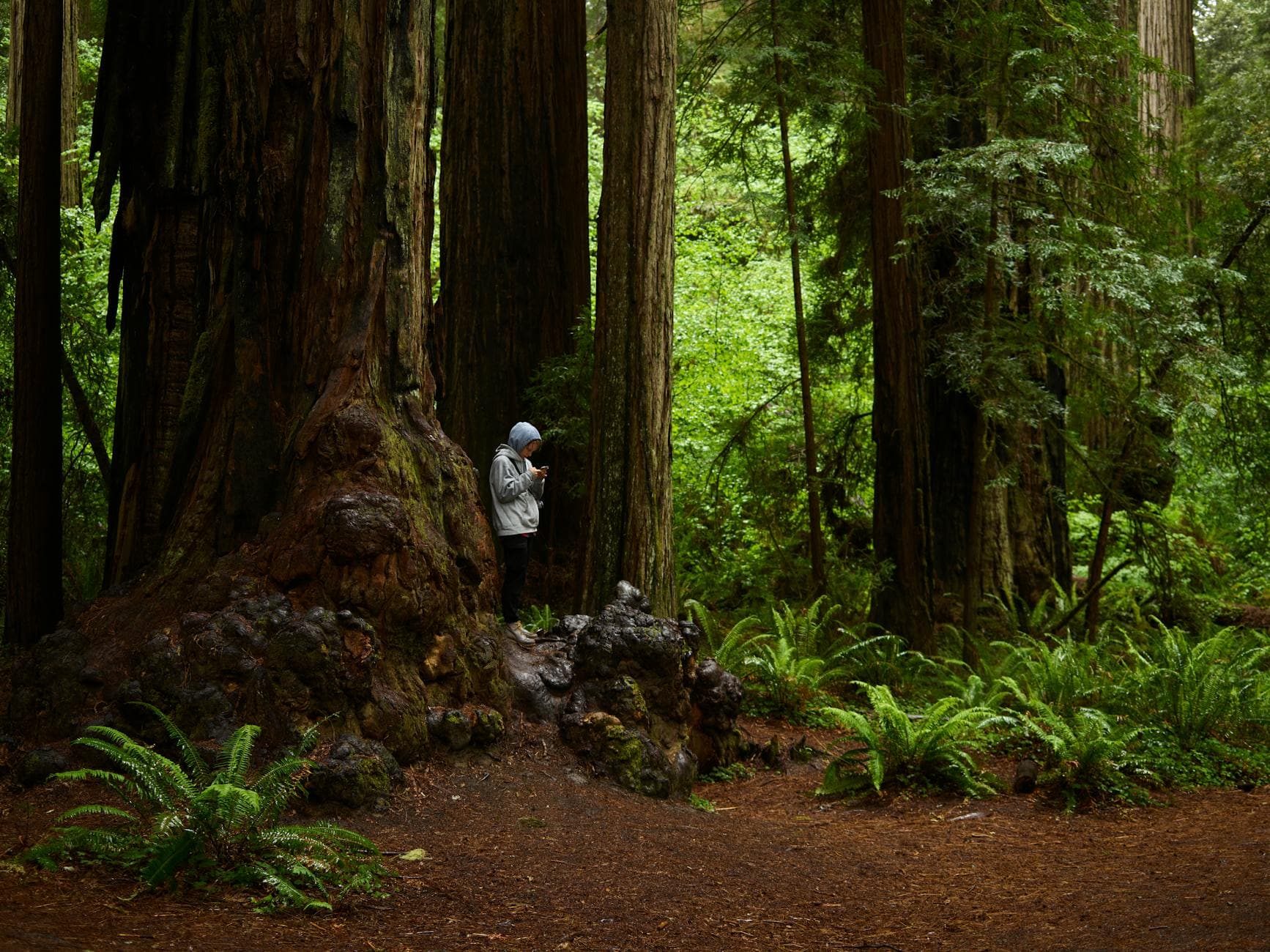
Tall Trees Grove is one of the park’s most striking destinations and one of the clearest examples of why the redwoods keep drawing people back. The trail descends about 800 feet to the alluvial floodplain of Redwood Creek, which means the return climb is part of the experience. Along the route, many of the trees exceed 350 feet in height, giving visitors a sense of scale that photographs cannot fully capture.
That hike also shows why watershed health matters. Redwood Creek is not just scenery; it is part of the system that supports the grove. The relationship between forest and water is one reason the parks matter so much as a conservation lesson, not only as a place to admire giant trees.
A conservation story shaped by policy
Redwood National Park was established in 1968 to protect remaining old-growth redwoods. A decade later, Congress expanded the park in 1978 to protect larger watersheds and restore lands damaged by logging roads and clear-cutting. Those decisions turned the park into more than a preserve of famous trees. They made it a long-term restoration project.
The names tied to that work still matter in the region’s conservation memory. Newton B. Drury is closely associated with early redwoods protection, while Lyndon B. Johnson and Lady Bird Johnson helped shape the national political climate that supported preservation. Lenard Ramacher also belongs in that history of advocacy and stewardship that helped push the redwood cause forward. The result is a park system built not only to protect scenery, but to repair a damaged landscape.
Why Humboldt leaders should keep treating the parks as infrastructure
The biggest lesson from Redwood National and State Parks is that conservation can be economic infrastructure. The visitor numbers are large enough to matter, but the real advantage is stability: the parks draw people in every season, support local jobs, and reinforce Humboldt County’s identity as a place defined by forests, coastline, and public access.
That is why county leaders cannot afford to treat the parks as a separate tourism lane. They are part of the local resilience strategy. As long as Redwood remains healthy, accessible, and well managed, it will keep doing what it has done for decades: supporting businesses, educating visitors, and anchoring Humboldt’s economy with something more durable than a passing travel trend.
This article was produced by Prism’s automated news system from verified source data, official records, and press releases, then run through automated quality and moderation checks before publishing. The system is built and supervised by the people who set the standards it runs under. Read our full AI policy.
Did this article answer your question?