Regional trail groups coordinate post-fire restoration across redwood country
Trail organizations and federal managers met to align funding, mapping and crews to restore remote trails damaged by wildfire and storms.
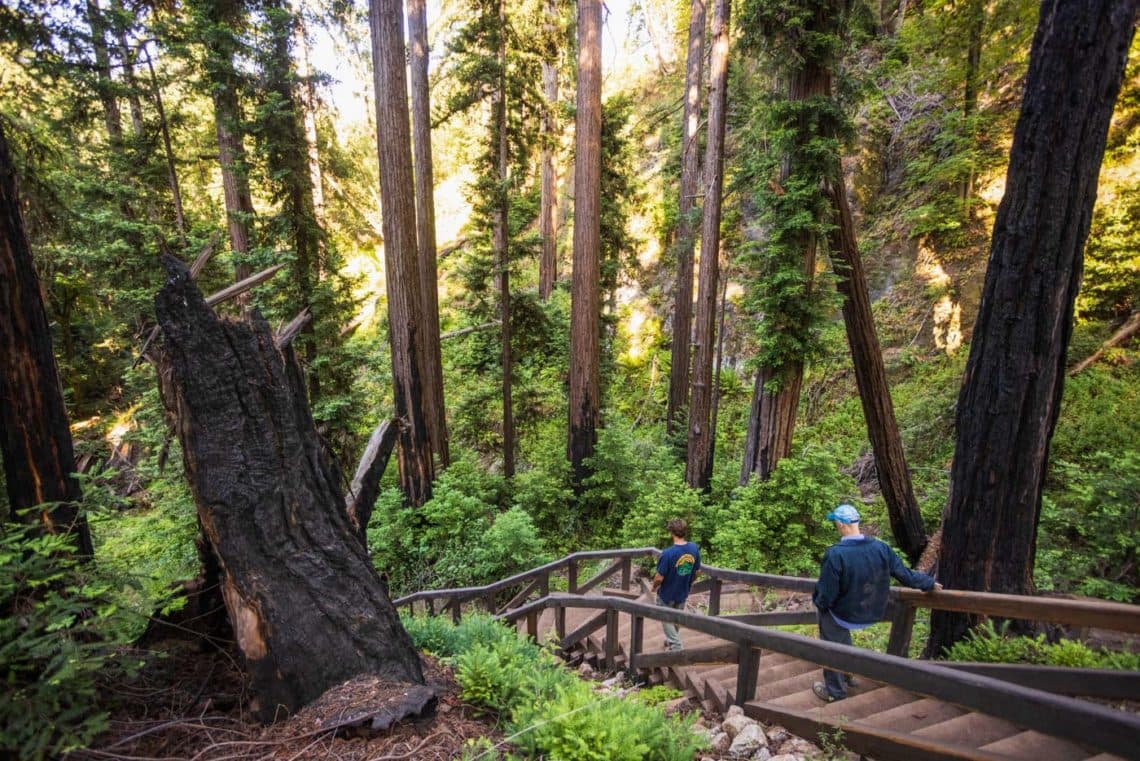
The Bigfoot Trail Alliance convened the Third Annual Wilderness & Primitive Trails Summit on Jan. 8, bringing trail organizations, federal land managers and nonprofit partners from across northwest California together to tackle trail access in fire- and storm-impacted backcountry.
Participants included the Pacific Crest Trail Association, California Conservation Corps, Backcountry Horsemen of California and staff from multiple national forest offices spanning the Klamath, Six Rivers, Mendocino and Shasta‑Trinity National Forests. The one-day summit focused on coordinating funding, mapping, workforce deployment and shared priorities to keep remote routes open and safe for recreation, subsistence access and emergency response.
Organizers said, "The Summit was rooted in a shared purpose: to strengthen regional trail partnerships, align work across organizations and national forests, and tend the connective tissue that keeps both trails and the people who care for them resilient."
The meeting underscored how much trail stewardship in Humboldt County depends on cross‑boundary planning. Trails that begin in one forest and thread into another require synchronized maps, compatible permitting and crews able to work across jurisdictional lines. Summit conversations centered on practical needs: identifying funding streams that support multi-jurisdiction projects, improving mapping so crews reach remote damage faster, and aligning seasonal workforce capacity among partner organizations.
For Humboldt County residents, the summit's outcomes could influence when and how popular routes through redwood country and adjacent ridgelines reopen after disasters. Restored trails support local recreation economies and provide critical access for search-and-rescue, fire crews and land managers responding to successive storms and wildfires that have eroded trails and destabilized tread and bridges.

The gathering also highlighted the role of workforce programs such as the California Conservation Corps in rebuilding remote access, and the value of volunteer groups including Backcountry Horsemen in moving supplies and building structures where mechanized access is limited. Better mapping and coordinated funding can reduce duplication of effort and speed repairs, but implementation will depend on sustained budget commitments and interagency agreements.
Policy implications reach beyond trail maintenance. As climate-driven storms and fires increase the frequency of trail damage, local voters and elected officials face a choice about prioritizing resilient infrastructure on public lands. Investments in skilled crews, interoperable maps and streamlined cross‑agency permitting will shape whether Humboldt County’s backcountry remains accessible for recreation and safe for emergency responders.
Summit participants left with action items to align plans for the coming field seasons. For residents, that means watching for announced projects, volunteer opportunities and trail closures or reopenings as federal offices and nonprofit partners translate summit goals into on-the-ground work.
This article was produced by Prism’s automated news system from verified source data, official records, and press releases, then run through automated quality and moderation checks before publishing. The system is built and supervised by the people who set the standards it runs under. Read our full AI policy.
Did this article answer your question?