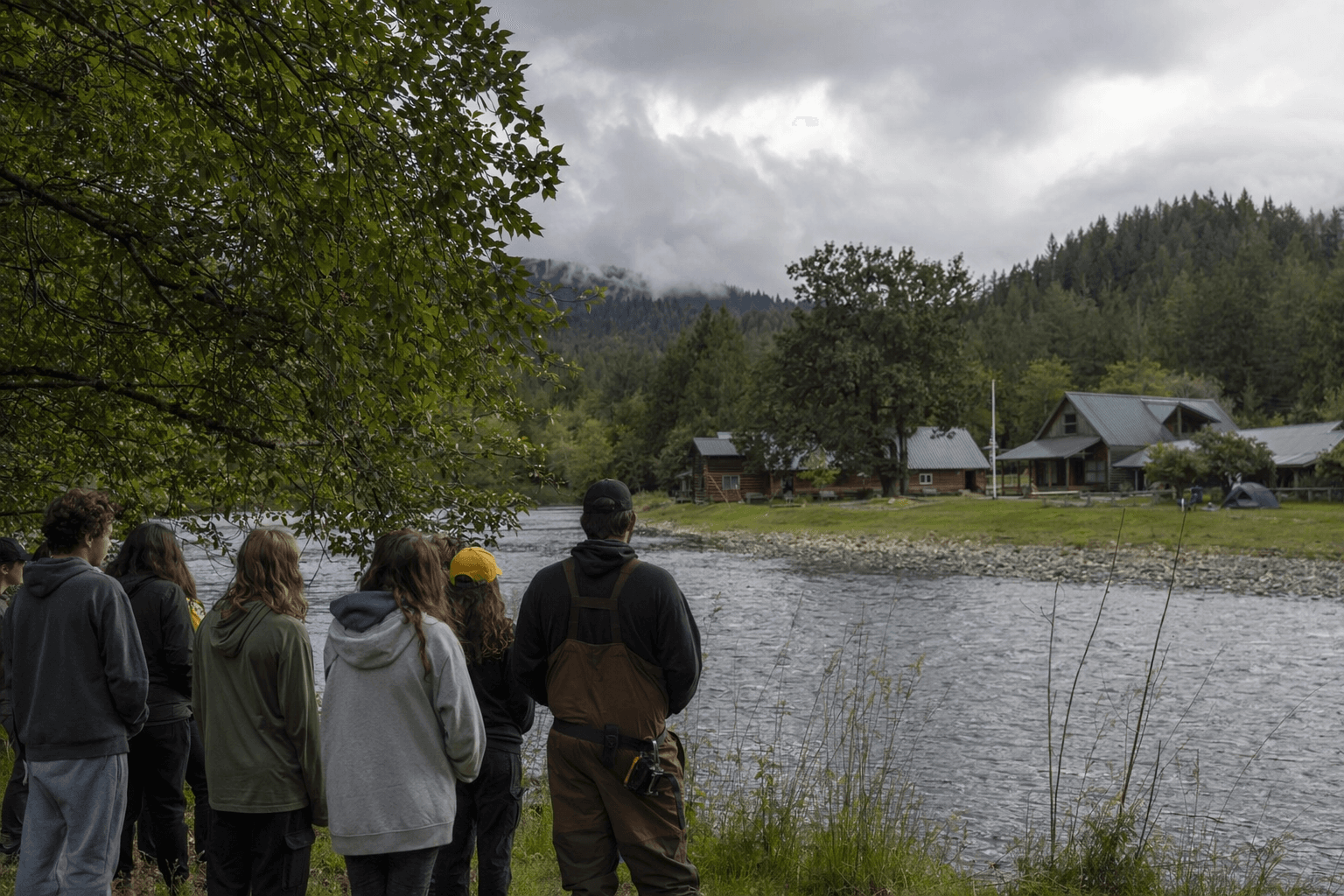
Regulators weigh changes to Elk River logging runoff rules
Regulators will weigh a rewrite of Elk River runoff rules that could give Humboldt Redwood Company more flexibility in the watershed that has been sediment-impaired since 1998.
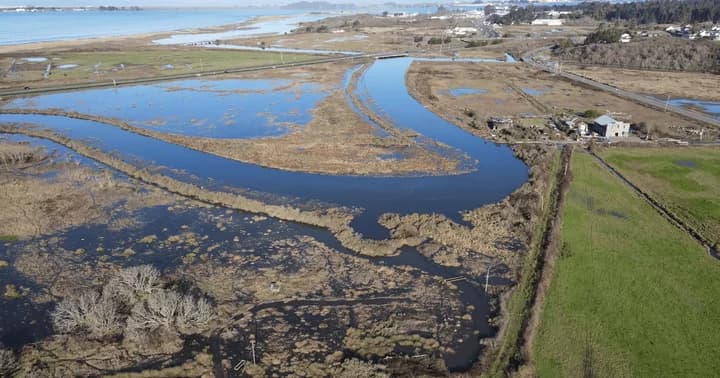
A proposed rewrite of Elk River logging runoff rules could give Humboldt Redwood Company more room to operate in a watershed that has carried a sediment problem for nearly three decades. The North Coast Regional Water Quality Control Board will consider a new order for the Upper Elk River that would replace the 2019 permit and let HRC use alternative compliance methods for riparian zone protections and wet weather requirements.
That matters because the Upper Elk River watershed covers 44.2 square miles and remains one of Humboldt County’s longest-running water quality disputes. State agencies began hearing from downstream residents in 1997 about rising turbidity, channel filling and more frequent flooding. A year later, the Elk River was listed under Clean Water Act section 303(d) as sediment-impaired, a designation that still frames the basin’s regulatory fight today.
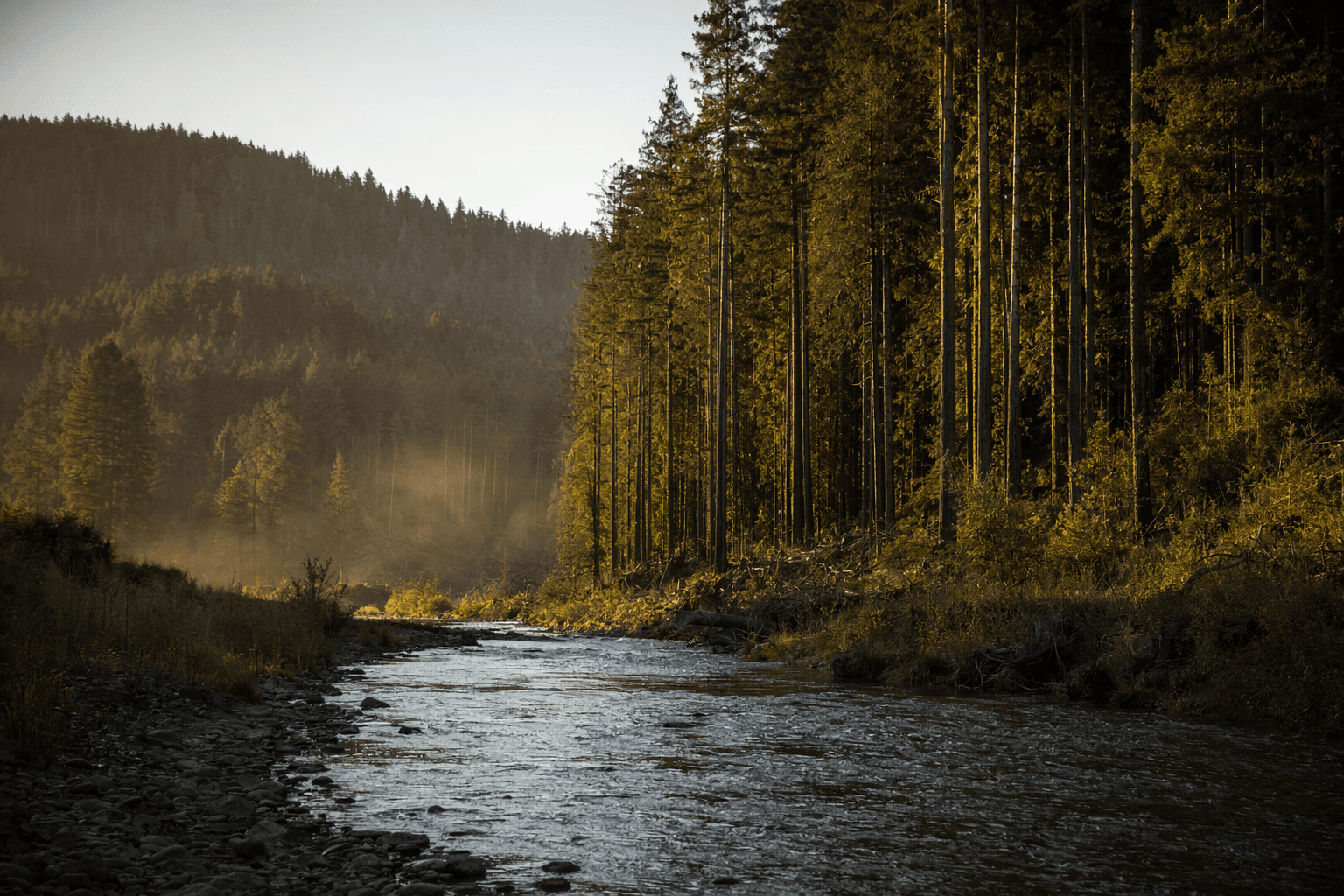
The board staff has called HRC’s proposed changes minor and said they would not reduce water quality protection. California Trout sees a different risk. The conservation group says any loosening of the rules could increase sediment moving downstream into the lower Elk, where winter storms already push channels toward nuisance flooding and where excess silt can damage salmon spawning and rearing habitat. The Elk River is the largest freshwater tributary to Humboldt Bay, and the damage reaches beyond fish and streambanks. Roads, private properties and drinking water all remain part of the cost of a basin still shaped by decades of industrial logging.
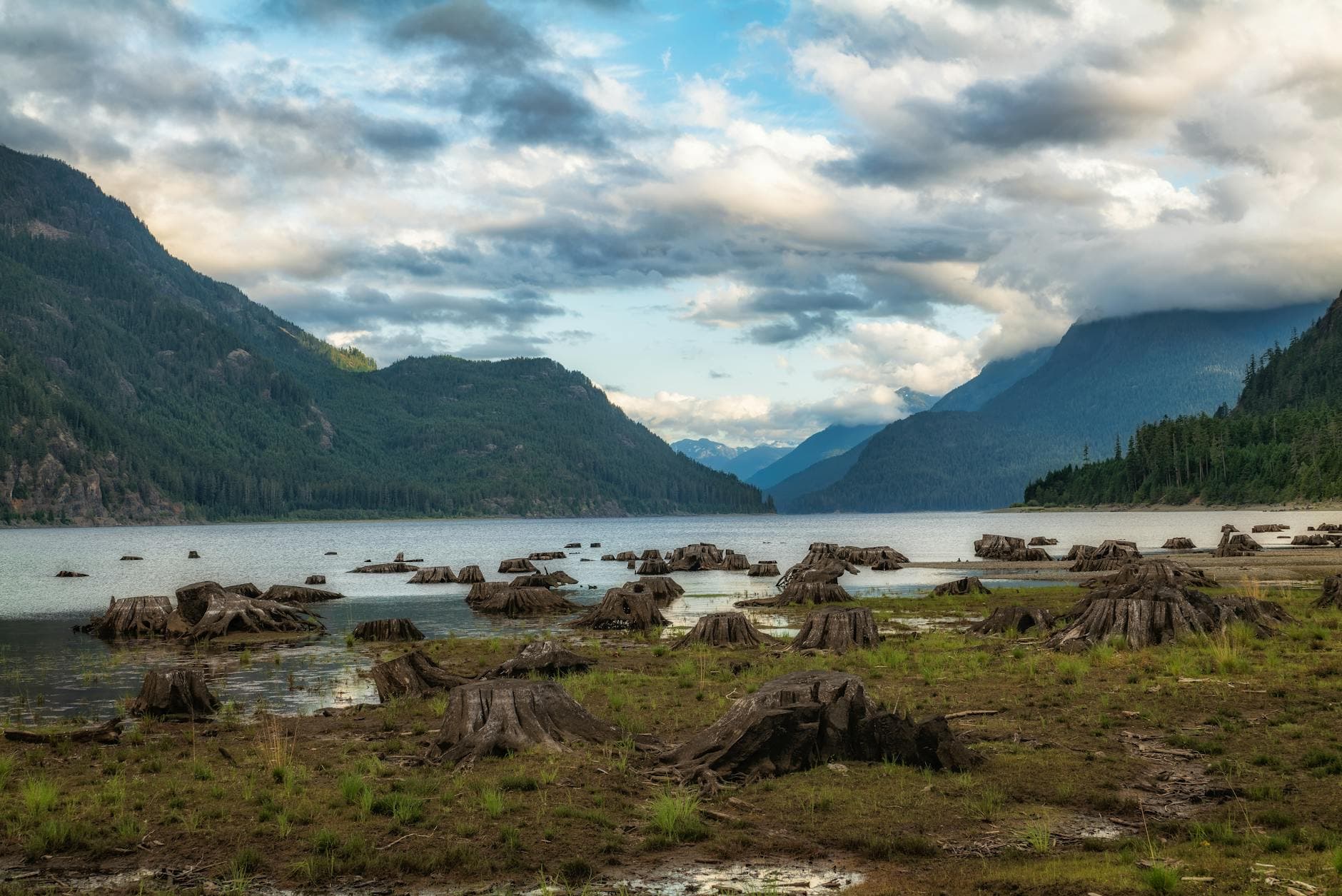
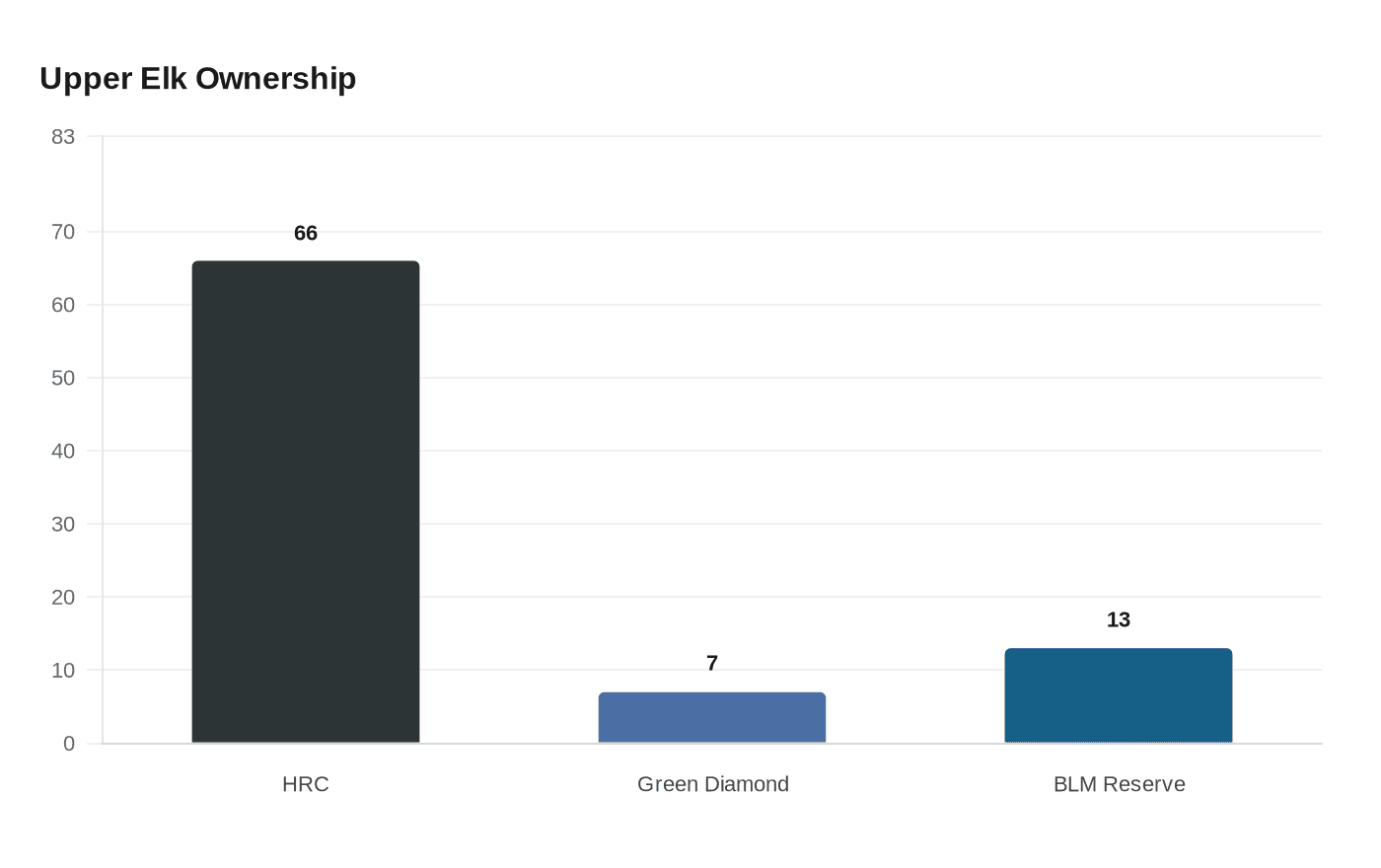
The draft order says the Elk’s sediment problems are tied to land use dating back to the 1850s, including logging, forest conversion, agriculture, grazing, road construction and rural housing development. Water Board records say sediment production was especially high from 1988 to 1997, partly because logging increased about fourfold under Pacific Lumber Company. That history is the backdrop for the current ownership pattern: HRC now holds about 22,200 acres, or roughly 66% of the upper watershed, while Green Diamond Resource Company manages about 7% and the Bureau of Land Management’s Headwaters Forest Reserve makes up about 13%.
The 2019 Elk River waste discharge requirements remain a key implementation tool for the Upper Elk River Sediment TMDL Action Plan, adopted by the Regional Board in 2016 and approved by the State Water Board in 2017, the U.S. Environmental Protection Agency in 2018 and the Office of Administrative Law in 2018. In a 2024 staff summary, the board said that without changes, post-five-year harvesting in high-risk areas would be limited to 482.7 acres of the Tommy Timber Harvest Plan, approved by Cal Fire on June 11, 2024. A 2022 review of the program identified 13 recommendations, including five tied to waste discharge requirements, showing that Elk River is still under active regulatory scrutiny rather than a settled cleanup case.
Know something we missed? Have a correction or additional information?
Submit a Tip