Sequoia Humane Society explains shelter limits, humane care role
Sequoia Humane Society is drawing a firm line around what it can and cannot absorb, and that matters for Humboldt County residents who need animal help now.
Sequoia draws the boundary around its role
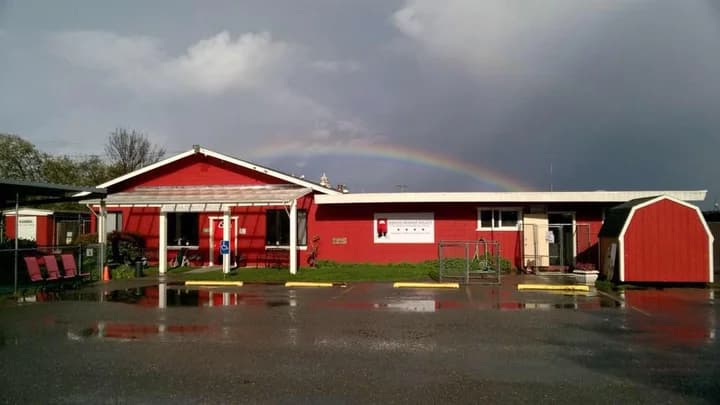
Sequoia Humane Society is telling Humboldt County something many pet owners only learn when they are already in crisis: the shelter cannot function as a limitless intake system. The organization says it exists to provide humane care, responsible placement, and safe homes for homeless animals, but its facility was built for a much smaller load than the public often expects from a countywide safety net.
That distinction matters now because the shelter is not just defending its record. It is defining what people can reasonably ask of it, what it can accept, and what it cannot promise when animals need placement, medical oversight, or emergency relief.
Why the building’s size still shapes the service
The shelter says it began more than 50 years ago in a former California Highway Patrol building, and its layout reflects that origin. According to Sequoia Humane Society, the space was designed for about 25 to 30 small dogs, six kennels for larger dogs, and communal cat areas that include room for eight litters of kittens.
That footprint affects nearly everything the shelter does. Sequoia says capacity limitations directly shape staffing, medical care, humane care standards, and the number of animals it can responsibly accept at one time. In practical terms, that means the shelter’s limits are not a rhetorical point. They are an operational constraint that determines how many animals can be housed safely without degrading care.
The organization’s message is clear: a small nonprofit cannot be expected to absorb the same volume as a county animal-control system, especially when every additional animal increases the pressure on staff time, veterinary oversight, and available space.
What the shelter says it is, and is not
Sequoia Humane Society says it is an independent private nonprofit governed by a volunteer board. It says it is a recognized 501(c)(3), not a government-operated agency, and that it does not receive ongoing government operational funding. Instead, the shelter says it relies on donations, grants, fundraising events, and community support to keep daily operations moving.
That structure matters because Sequoia says it does not operate under a mandatory county animal-control contract that would require unlimited intake. It also says it works with trusted transfer partners only when space and mission alignment allow. In other words, the shelter is describing a selective, resource-limited rescue model rather than an open-door public service with unlimited capacity.
The shelter also says it does not currently have, and has not maintained, an active transfer partnership with Miranda’s Rescue. Given the scrutiny around that operation, the point is more than administrative. It is part of Sequoia’s effort to separate its own records, decisions, and placements from the broader questions now hanging over local rescue activity.
How adoptions and transfers are handled
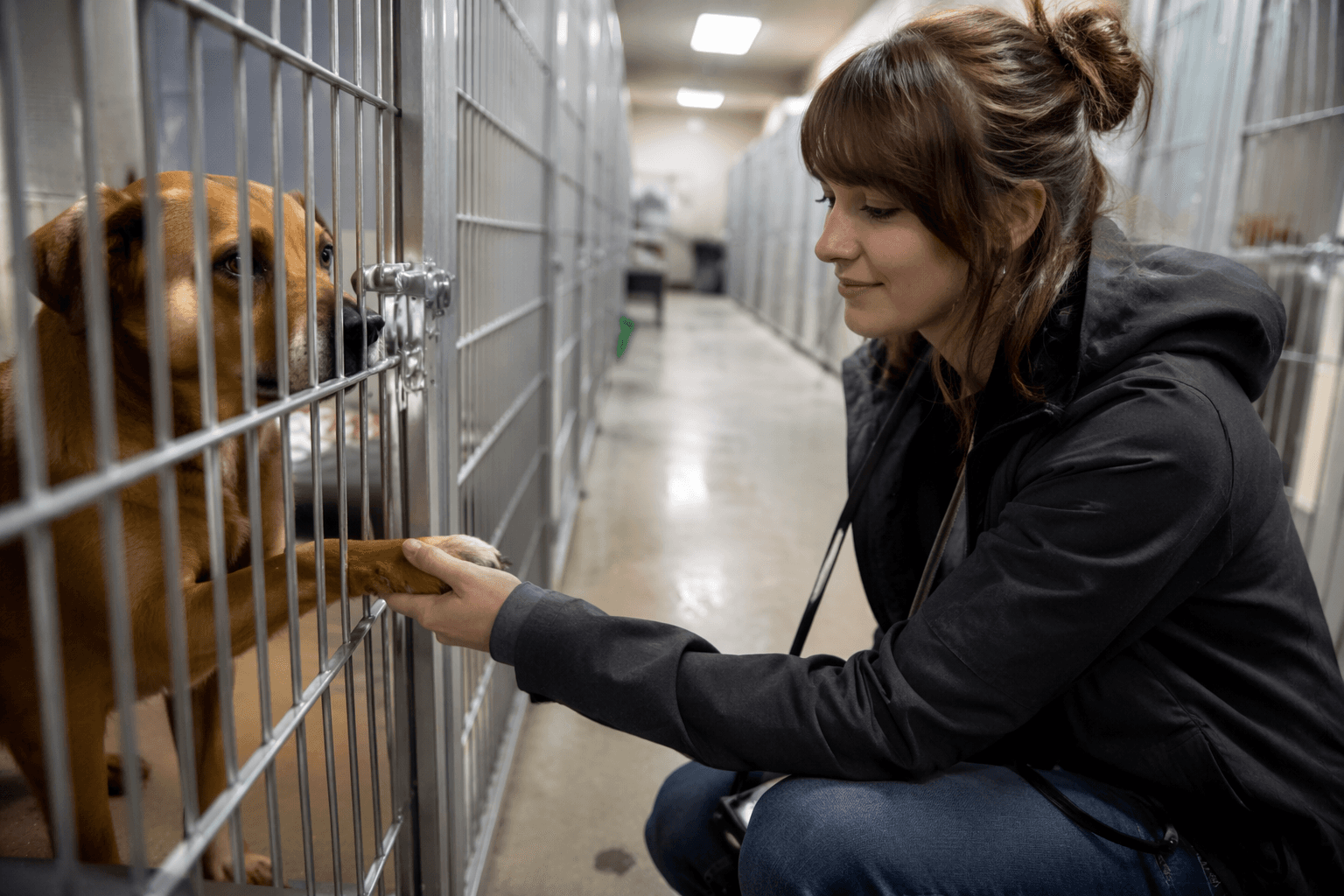
Sequoia says most animals are adopted onsite, with some approved placements through community mobile adoption events. It says every adoption and transfer is documented in its shelter-management system, including vaccination records, medical histories, and microchip information.
The shelter says animals adopted through its care are spayed or neutered, vaccinated, microchipped, and given rabies vaccinations before adoption unless medically exempt under veterinary guidance. That detail is important because it shows the shelter wants the public to measure outcomes not just by volume, but by the condition of animals leaving its care and the completeness of their records.
The result is a narrower standard of accountability. Sequoia is signaling that it wants to be judged on careful placement, documented outcomes, and compliance with animal-health protocols, not on whether it can take every animal that comes through the door.
How Humboldt County’s system relies on nonprofits
Sequoia’s limits matter because Humboldt County’s own shelter system depends on outside partners. The Humboldt County Animal Shelter says it relies on nonprofit organizations including Friends for Life, Miranda’s Rescue, Companion Animal Foundation, Bless the Beasts, and Sequoia Humane Society to take in owner surrenders after a four-business-day state-law hold.
That hold is part of the county’s intake process. The county says it does not typically take owner surrenders itself, and after the hold it evaluates temperament and health, including FELV and FIV testing for cats and temperament testing for dogs.
This is the public-policy reality behind Sequoia’s statement: the county shelter and private rescues are linked whether they want to be or not. When one part of the network is stretched, the pressure shifts to the others. For residents in Eureka, Fortuna, McKinleyville, King Salmon, Redway, Hoopa, and the surrounding communities, that means the difference between a shelter, a rescue, and a foster placement can decide whether an animal gets help at all.
The Miranda’s Rescue investigation changed the conversation
The timing of Sequoia’s statement is tied to a larger investigation that has already shaken trust in the local rescue landscape. Humboldt County Sheriff’s Office says it received credible allegations on April 22, 2026, that Miranda’s Rescue was tied to felony animal abuse, animal cruelty, fraud, and conspiracy. Investigators served a search warrant at the location on May 1, 2026, seized evidence, and had county animal control examine animals on site. The investigation remains active and ongoing.
That context helps explain why Sequoia’s public clarification landed with force. In a county where transfer relationships and rescue placements are being scrutinized, the public wants to know which organizations can document their decisions, which ones can verify where animals went, and which ones are still operating with trust intact.
Reporting from Animals 24-7 described the Humboldt Lost & Found Pets Facebook page as flooded with messages from people and groups trying to track the fate of animals transferred to Miranda’s Rescue. That broader anxiety has made recordkeeping, transfer policies, and intake limits front-page issues rather than back-office concerns.
What this means when you need help with an animal
For Humboldt County residents trying to place, adopt, or surrender an animal, Sequoia’s statement points to a practical rule: do not assume any single shelter can take an animal immediately. Capacity is limited, placement depends on available space, and transfer options depend on mission alignment and documented partnerships.
If you need to reach Sequoia directly, its shelter is at 6073 Loma Avenue in Eureka. The shelter’s public hours are Tuesday through Saturday from noon to 4 p.m. Sequoia says it offers adoption, foster, volunteer, vaccine-clinic, microchipping, and pet-emergency-funding programs.
The larger lesson is that Humboldt County’s animal-welfare system is built on a fragile balance between county services and nonprofit capacity. Sequoia Humane Society is making plain that humane care is not the same thing as unlimited intake, and in a county now looking hard at rescue accountability, that distinction will shape who gets helped, how fast, and under what conditions.
This article was produced by Prism’s automated news system from verified source data, official records, and press releases, then run through automated quality and moderation checks before publishing. The system is built and supervised by the people who set the standards it runs under. Read our full AI policy.
Know something we missed? Have a correction or additional information?
Submit a Tip