Shelter Cove district seeks tax hike to shore up finances, aging water system
Shelter Cove's district runs about $40,000 a year in the red and wants a June tax hike to avoid deeper cuts. Four water tanks and a 1965 treatment plant are wearing out.
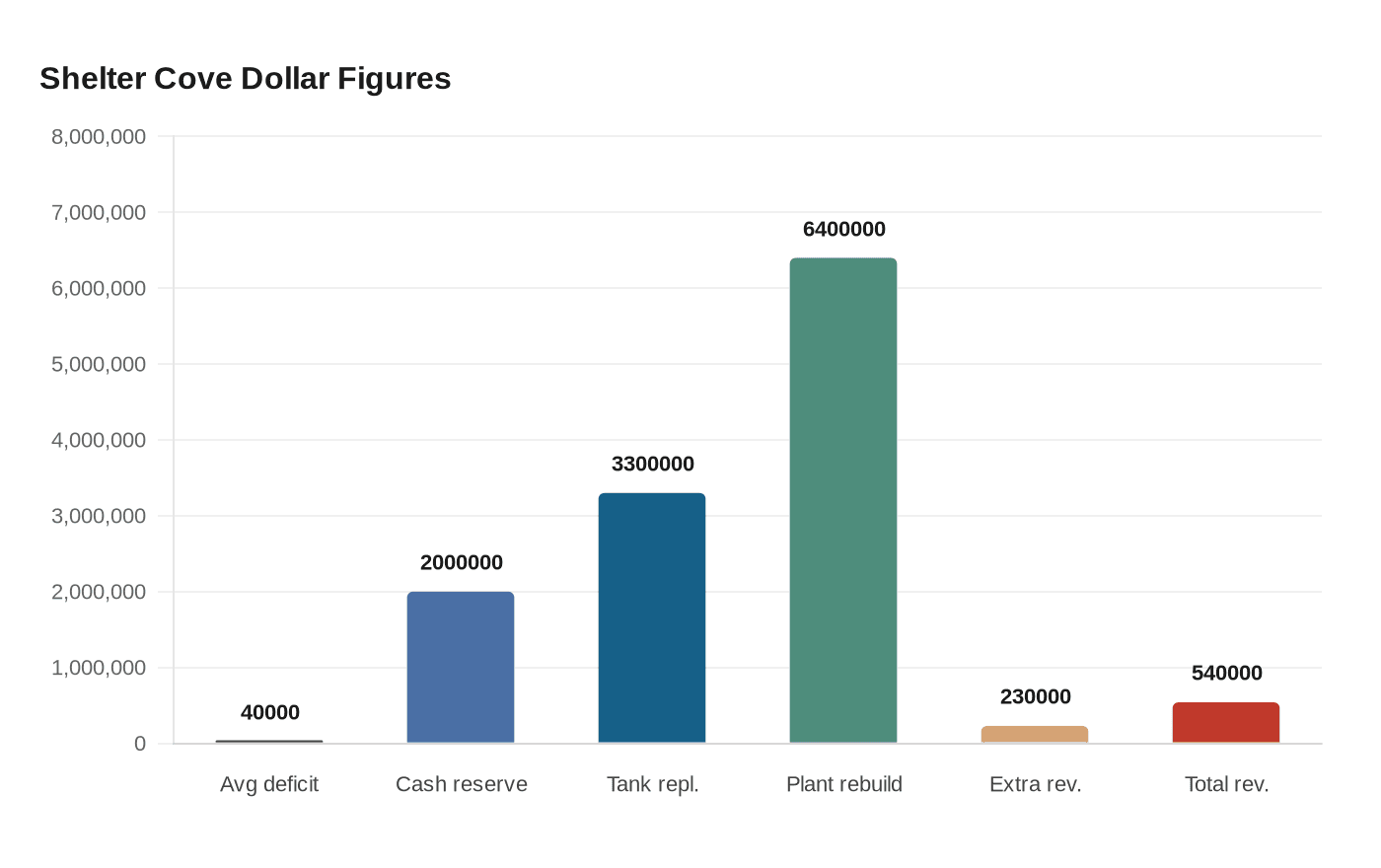
Shelter Cove’s utility district is asking voters to pay more now, warning that its books are already strained and its aging water system cannot wait much longer. Resort Improvement District No. 1 says it has averaged about $40,000 more in spending than revenue each year for the past decade, has not posted a net-neutral budget since the 2015-16 fiscal year, and is leaning on reserves to keep basic services running in the remote South Humboldt County community.
General manager Christopher Christianson says the district’s cash cushion is down to about $2 million, or roughly six months of operating expenses, after the board changed its reserve policy from 12 months to six. That money has to cover the day-to-day work of keeping the lights on, maintaining utilities and preventing older systems from failing across a rugged stretch of coast where the district serves about 650 utility customers and roughly 3,850 property owners.
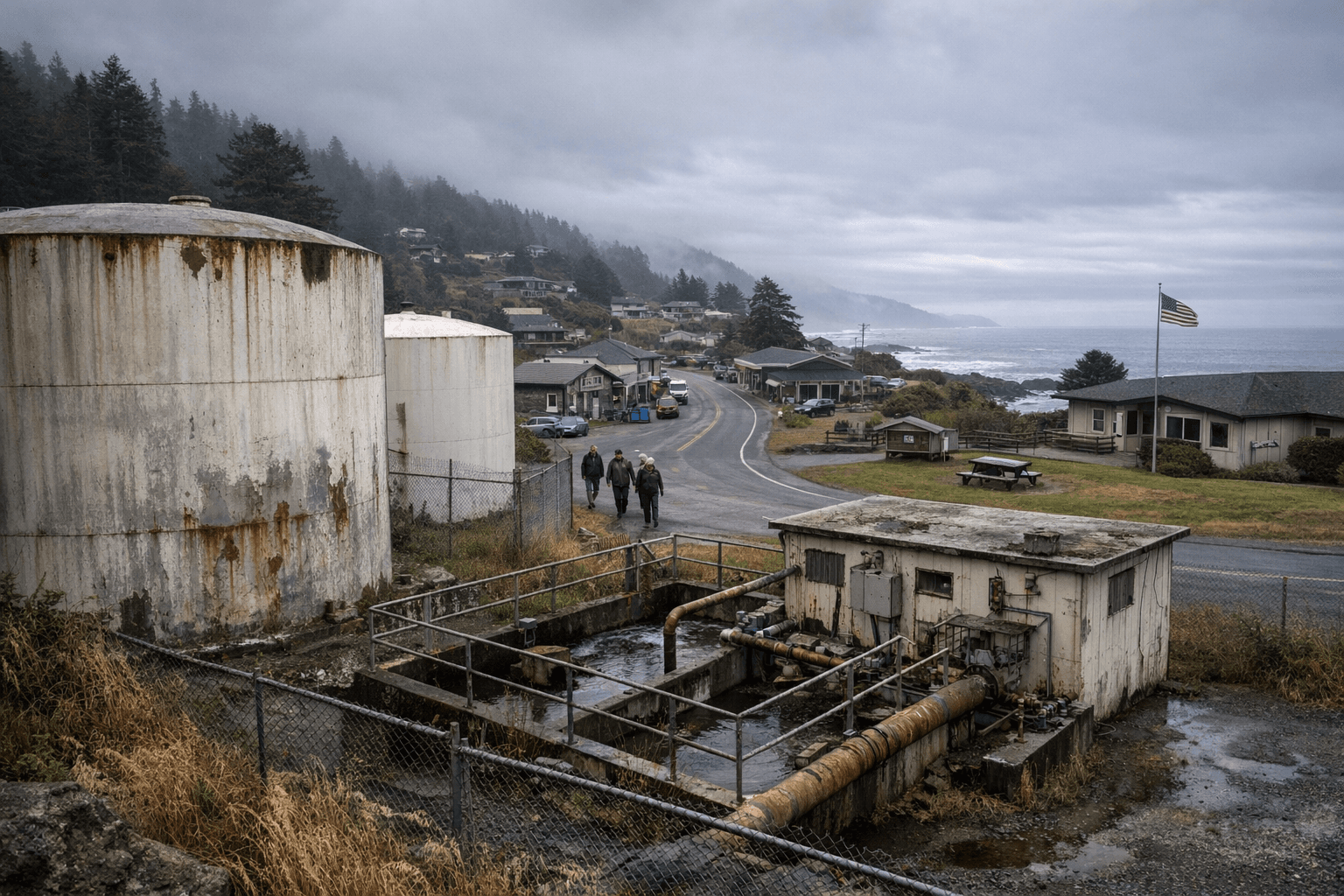
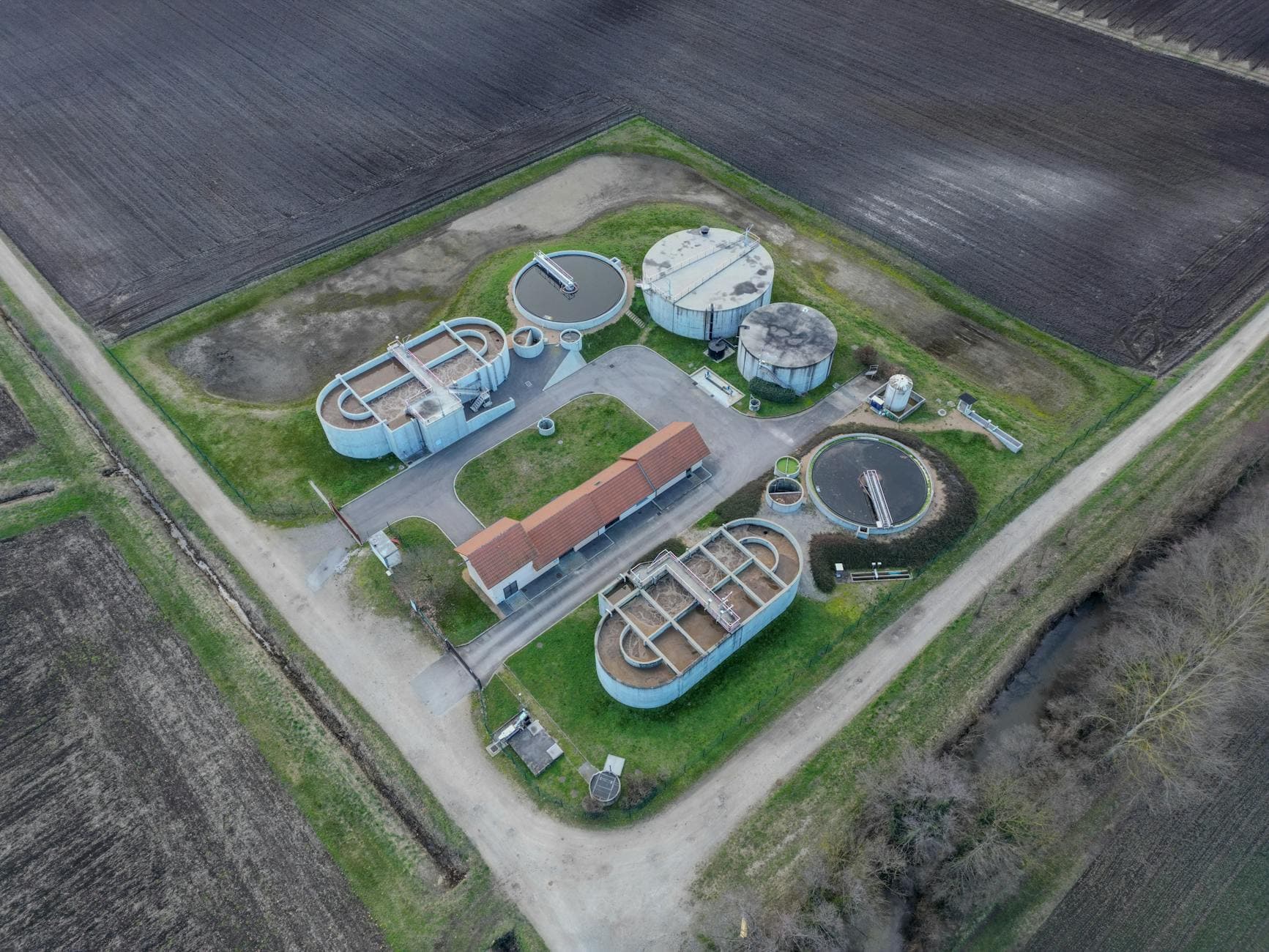
The biggest pressure point is water infrastructure that is nearing the end of its life. The district says four storage tanks need replacement at an estimated cost of $3.3 million, and the water treatment plant, which dates to 1965, is expected to cost about $6.4 million to rebuild. Three of the tanks broke during the December 2024 earthquake and were repaired, underscoring how vulnerable the system has become. The North Coast Regional Water Quality Control Board says the wastewater facility serves a population of about 693, with treatment capacity of 0.17 million gallons per day in dry weather and 0.77 million gallons per day in wet weather, and that treated wastewater is reused to irrigate the Shelter Cove Golf Course.
To help pay for that work, the district wants to raise its Special Utilities Improvement and Operations Tax by $60, from $80 to $140 per taxable parcel each year. Voters approved the levy in 1981, and the district says it has stayed flat since then. If the June 2, 2026 primary ballot measure passes, it would generate about $230,000 more a year, bringing total annual revenue from the tax to about $540,000. Humboldt County’s ordinance for Measure A says at least two-thirds of the special tax must go to capital improvements for utility systems, with the rest available for operations.
The district says the extra revenue would not erase the deficit, but it would buy time, reduce the risk of deeper cuts and help preserve the local match often needed to secure grants or loans. The stakes are heightened by history: earlier attempts to raise the tax failed in 1993 and 1994, while a 2017 fire tax measure passed by a single vote. In Shelter Cove, where steep terrain, geology and limited utility coverage make building difficult, the choice now is whether to invest before deferred repairs become an even larger bill.
This article was produced by Prism’s automated news system from verified source data, official records, and press releases, then run through automated quality and moderation checks before publishing. The system is built and supervised by the people who set the standards it runs under. Read our full AI policy.
Did this article answer your question?