Small Power Outages Restored Across Humboldt County Highlight Gaps in Preparedness
On November 28, a series of small power outages affected communities across Humboldt County, with recorded events including Ferndale where 57 customers lost service beginning at 8:38 a.m., Arlynda Corners where 18 customers were affected beginning at 9:40 a.m., and Alliance where 12 customers were affected beginning at 11:21 a.m. Restorations were logged the same day, but the interruptions underscore risks for medically vulnerable residents and strain on local health and social services.
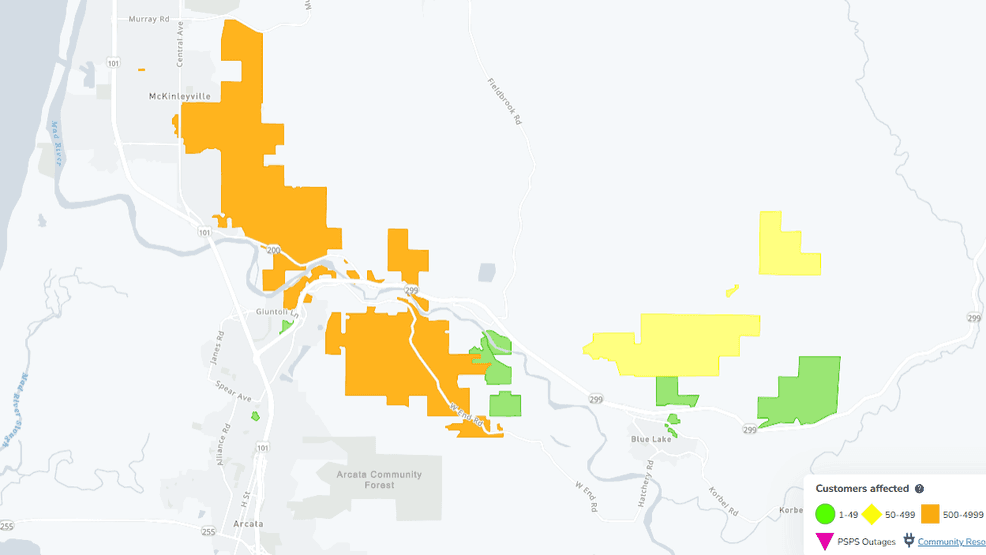
Multiple brief outages swept through parts of Humboldt County on November 28, affecting dozens of residents in scattered communities. The largest documented interruption hit Ferndale, with 57 customers losing power beginning at 8:38 a.m. Smaller incidents began later in the morning in Arlynda Corners, where 18 customers were affected beginning at 9:40 a.m., and Alliance, where 12 customers were affected beginning at 11:21 a.m. Additional localized outages were recorded throughout the day, each with varying numbers of customers and start times.
Although utility records show those outages were restored the same day, the events highlight persistent vulnerabilities in a rural county where distance, aging infrastructure, and uneven access to resources increase the public health stakes of even short interruptions. Power loss can interrupt home medical equipment, spoil refrigerated medications, and disable wells and septic pumps. For people who rely on oxygen, dialysis, insulin refrigeration, or home based medical devices the loss of electricity can be dangerous within hours.
The patterns on November 28 also raise questions about equity in emergency planning. Low income households and isolated elders are less likely to have backup generators, access to transportation, or the flexibility to leave home quickly. Clinics, pharmacies, and behavioral health programs operating on thin margins may face short term closures or service delays that ripple through families who already experience barriers to care.
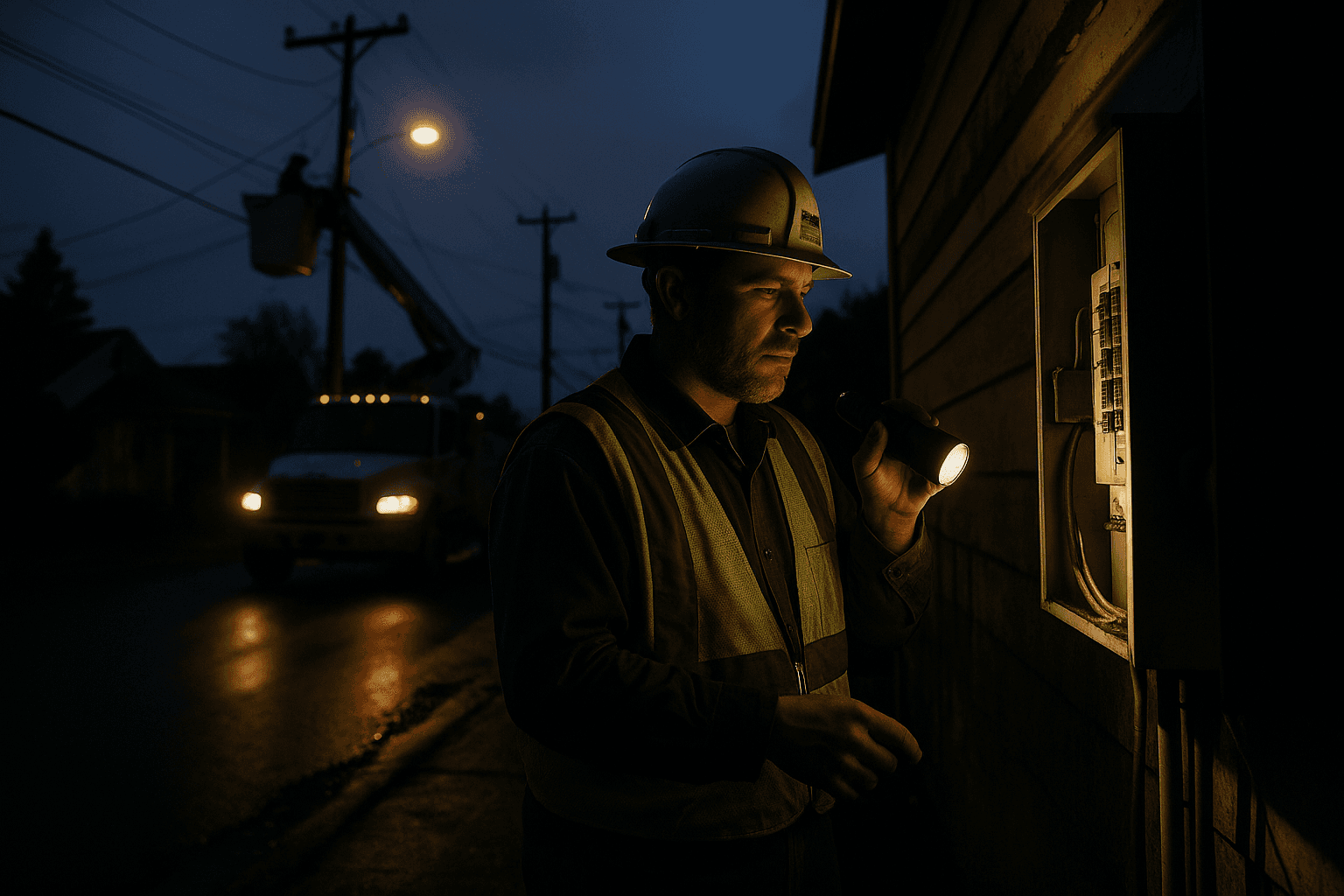
Local health providers and social service agencies can use these incidents to reassess contingency plans, including backup power at critical facilities, targeted outreach to patients with medical needs, and stronger coordination with utilities for advance notification and priority restoration. Residents are encouraged to review personal preparedness, verify whether their utility offers medical baseline registration, and keep a plan for medication and device power failures.
Brief outages may feel minor when service is restored, yet they reveal systemic weaknesses that affect the county most where resources are scarce. Strengthening infrastructure, emergency notification, and supports for vulnerable households will reduce health harms when the next interruption occurs.
This article was produced by Prism’s automated news system from verified source data, official records, and press releases, then run through automated quality and moderation checks before publishing. The system is built and supervised by the people who set the standards it runs under. Read our full AI policy.
Did this article answer your question?