Southern Humboldt Residents Voice Old-Growth Concerns at Forestry Town Hall
Five old-growth redwoods logged in lower Redway via a state exemption brought Southern Humboldt to Assemblymember Rogers's door, putting his forestry bills in the crossfire.
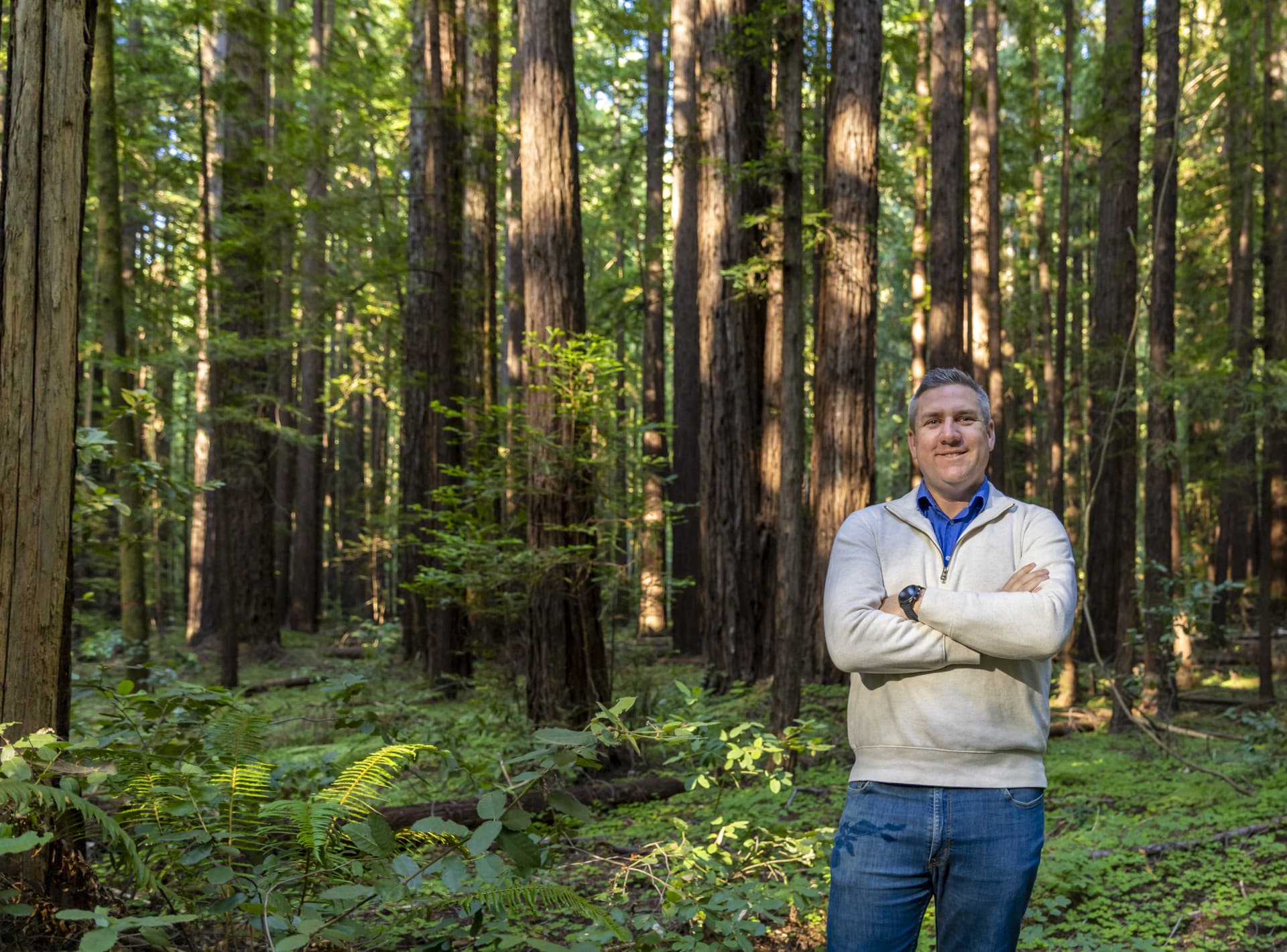
When Assemblymember Chris Rogers convened a town hall in Garberville on April 4, he anticipated the full range of Southern Humboldt grievances: PG&E capacity failures, broadband dead zones, and a rural economy still reeling from the cannabis collapse. What he encountered, alongside all of that, was sustained pressure over trees.
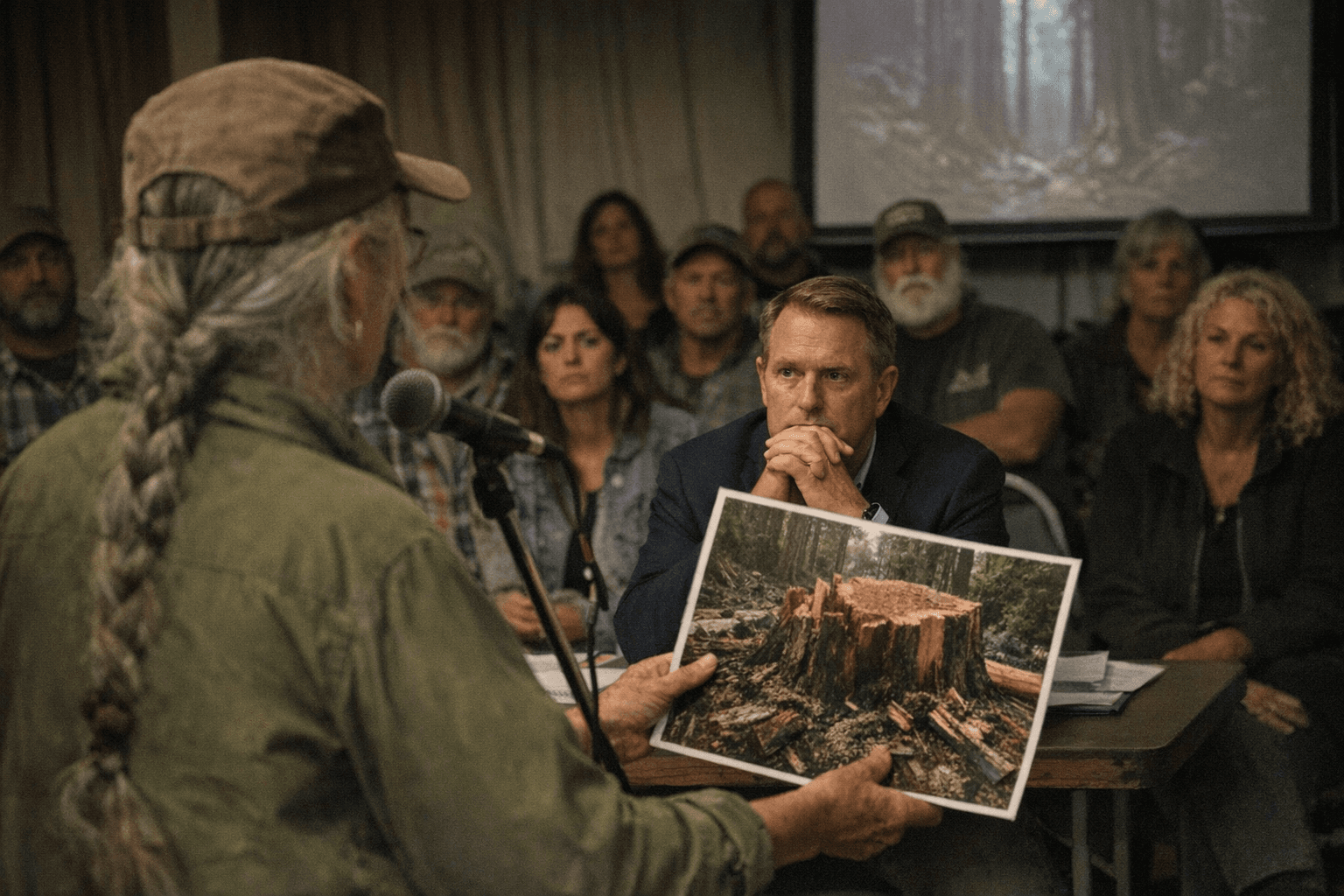
The flashpoint was a January removal of five old-growth redwoods from a property at the corner of Briceland Road and Oakridge Drive in lower Redway. The homeowner secured a Cal Fire "notice of exemption" under the Forest Practice Act of 1973, citing falling-limb hazards. Critics say the provision allows timber removal to sidestep the enhanced review normally applied to old-growth redwoods and eliminates any assessment of habitat value or community significance. The Environmental Protection Information Center called the tactic "an end-around the normal rules" that left the trees' ecological worth unconsidered.
That dispute moved to the Humboldt County Board of Supervisors in March, and it resurfaced at Rogers's Garberville meeting last week. Residents pressed Rogers on the county's Q Zone Ordinance, a local protection intended to shield old-growth trees but criticized for inconsistent enforcement. One resident had told supervisors in January that the Planning Department was "not doing its duty."
Rogers acknowledged the lower Redway situation is on his radar but was precise about jurisdictional limits: the county, not the state legislature, controls enforcement of local ordinances. The county itself has operated in a constrained posture for years, partly because a provision in the Forest Practice Act limits its ability to require permits that would supersede a Cal Fire exemption.
Residents also pressed Rogers on his pending forestry and biomass bills, including legislation that would reorient California's demonstration state forests, including Jackson Demonstration State Forest, away from commercial logging and toward research, public access, and restoration. The bills put his Sacramento agenda in direct conversation with Southern Humboldt's ground-level frustrations.
Not everyone at the table shares those frustrations. Thomas Mulder, a Southern Humboldt property rights commentator who has tracked the Redway case closely, has argued that authority over timber operations "rests with Cal Fire" and that the January cutting was "totally legal." For small woodland owners and contractors working private timberland, any tightening of exemption pathways could slow permitting and add costs to routine forestry work, with downstream effects on Humboldt County's three biomass power plants, which burn mill byproducts and thinning waste to generate local electricity and support living-wage jobs.
The five trees on Briceland Road are gone. Whether their removal becomes the regulatory inflection point that reshapes how old-growth is treated on private land, or fades into the long record of Humboldt County timber disputes, depends largely on what Rogers's bills accomplish in Sacramento and whether the county enforces what it already has on the books.
This article was produced by Prism’s automated news system from verified source data, official records, and press releases, then run through automated quality and moderation checks before publishing. The system is built and supervised by the people who set the standards it runs under. Read our full AI policy.
Did this article answer your question?